By Car
Plan your route to Friars Dental Clinic on Park Avenue using a reliable map service. Allow extra time for parking and arrival so you can settle before your appointment.

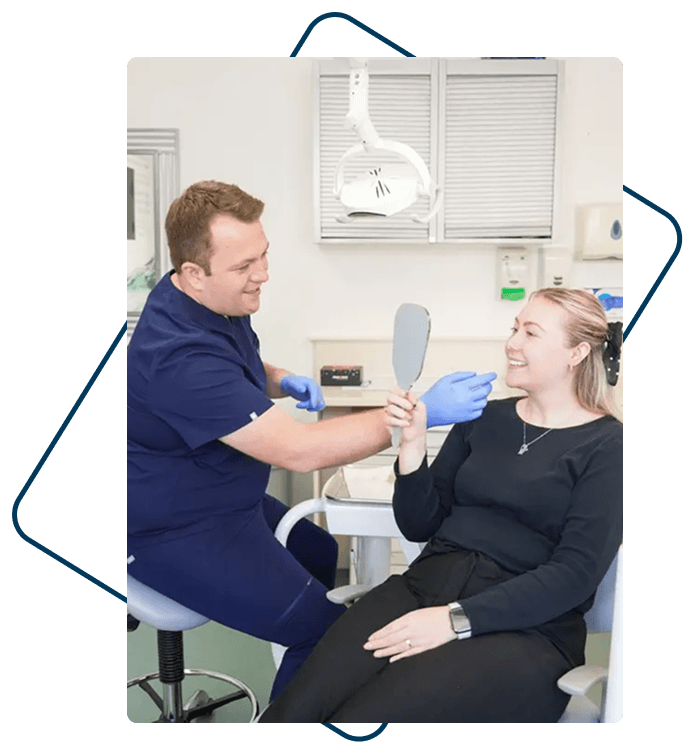
Aesthetic Consultation

Facial Aesthetics
Explore Facial Aesthetics in a calm, consultation-led setting. From Llanfair Clydogau, you can plan a thoughtful visit to our Aberystwyth clinic to discuss goals, suitability and next steps. Considering a facial aesthetics consultation can bring up practical and personal questions. If you would like to explore options, appointments are available at Friars Dental Clinic, Park Avenue, Aberystwyth. The aim is to understand what you hope to refine, and to discuss if and when a treatment plan might be appropriate.
You may be weighing up gentle refinements to balance features, soften transitions or restore a sense of freshness after changes to skin or volume. A conversation can help translate preferences into clear objectives, while acknowledging that every face, and every reason for seeking treatment, is individual.
During an initial appointment, you can outline areas you are considering, what feels most important to you, and any previous treatments. From there, you can learn how options are considered, what an assessment involves, and how suitability is decided without any obligation to proceed.
A useful starting point is facial harmony: how features relate in proportion, how light catches contours, and how expressions read at rest and movement. Natural-looking change usually follows a conservative, anatomy-aware approach that respects your baseline features rather than attempting to create a single ideal.
If you are thinking about facial aesthetics, it can help to summarise what you like most about your face first, then what you would most value adjusting. Framing goals this way supports balanced decision-making and helps the consultation focus on outcomes that feel authentically you, rather than chasing dramatic alterations.
Preferences vary by face shape, tissue quality and skin condition. Subtle volume support in one area may influence balance elsewhere. The discussion explores where small adjustments might have the greatest effect, whether leaving some features unchanged is preferable, and how to avoid overcorrection that could disrupt natural proportion.
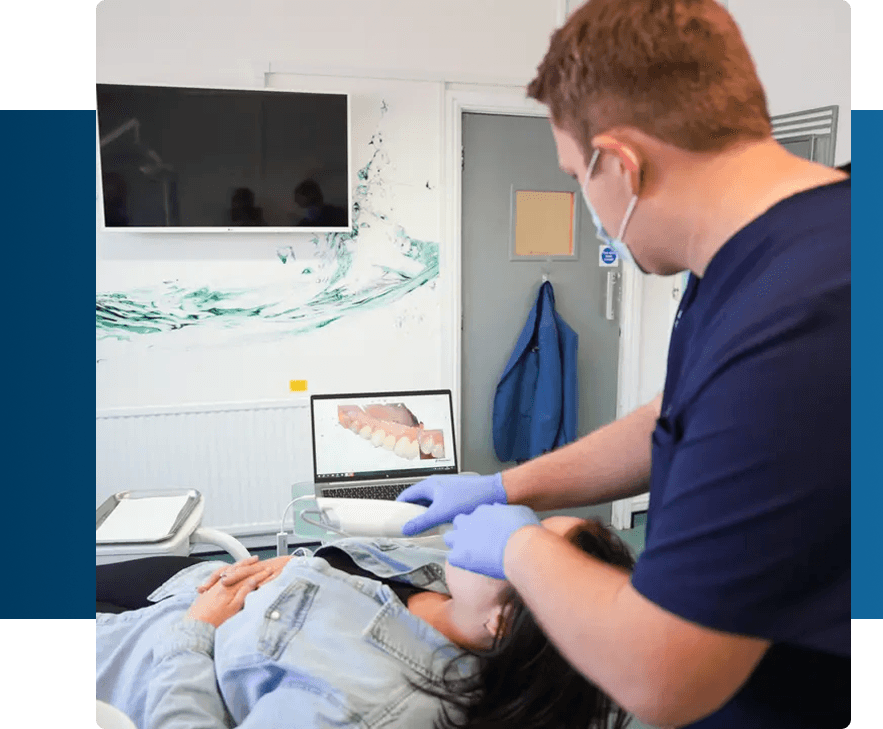
Dermal fillers are listed on the clinic website as a treatment that may help to restore or enhance volume and refine contour, subject to consultation and suitability. They are not a single solution for everyone; their role, if any, depends on your goals, facial anatomy and clinical assessment.
In some cases, conservative filler placement can support midface transition, enhance definition or smooth contour irregularities. The decision to consider fillers is always personalised. Discussion covers where product might sit, how much change you wish to see, and whether non-treatment or staged plans are better aligned with your preferences.
The conversation also considers your timeline, any previous treatments and how changes might settle over time. It is reasonable to explore alternatives and to agree that doing nothing is sometimes the most appropriate step. No responsible consultation promises a specific result or suggests universal suitability.
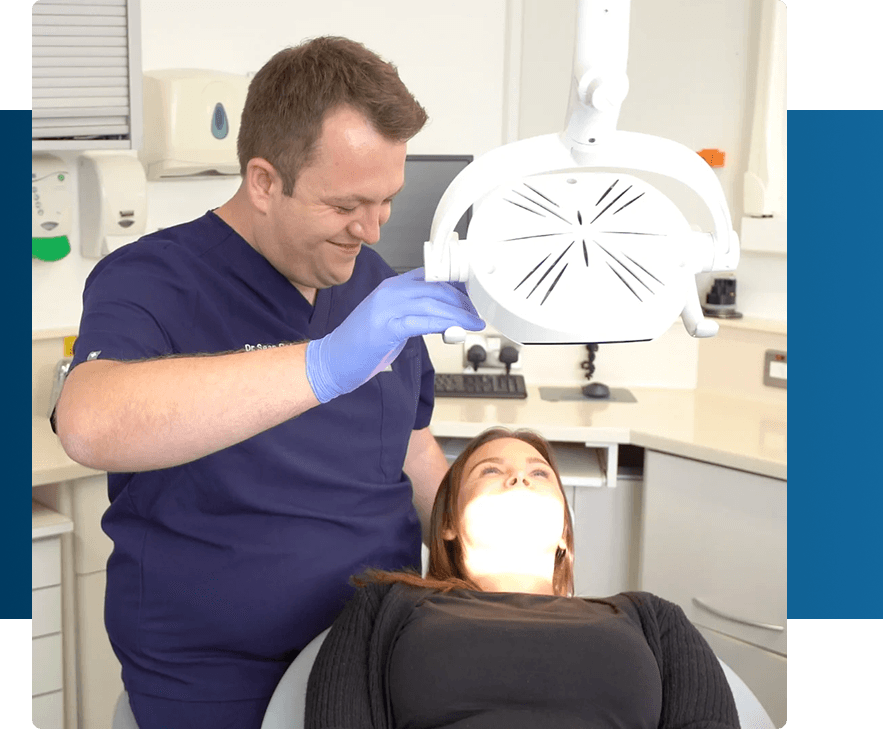
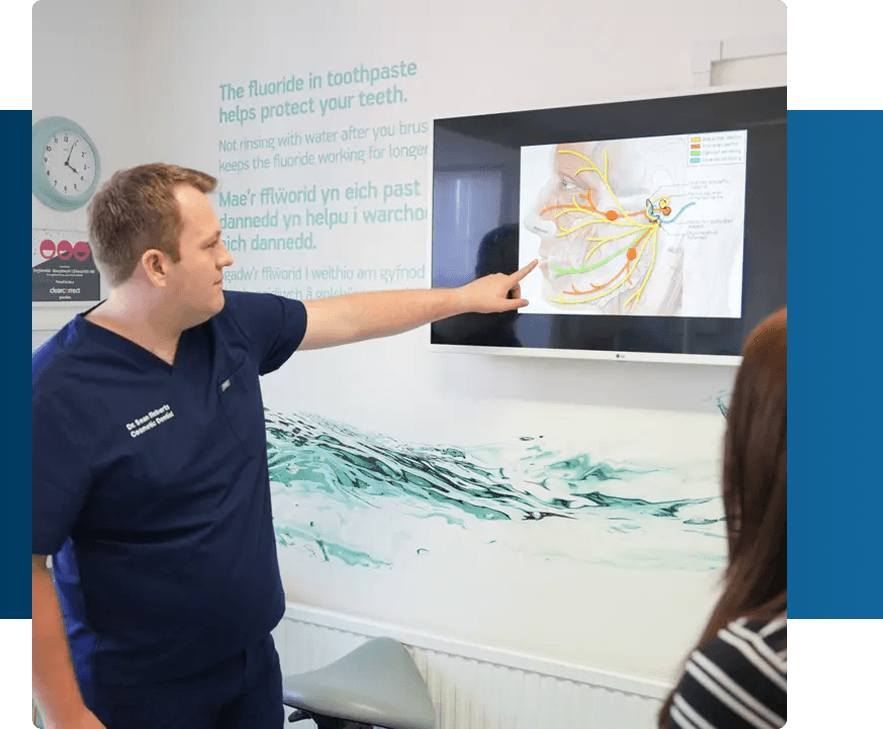
The appointment can include a review of your personal objectives, medical history relevant to treatment safety, and an examination of facial anatomy, soft tissue characteristics and skin condition. These details inform whether treatment is appropriate, and if so, what type, where, and how conservatively to proceed.
Together, these findings support an individual plan. You can discuss sequence, potential benefits, limits and practical considerations. If a treatment is not advised, you will receive an explanation. If you prefer to consider options and return later, that decision is respected.
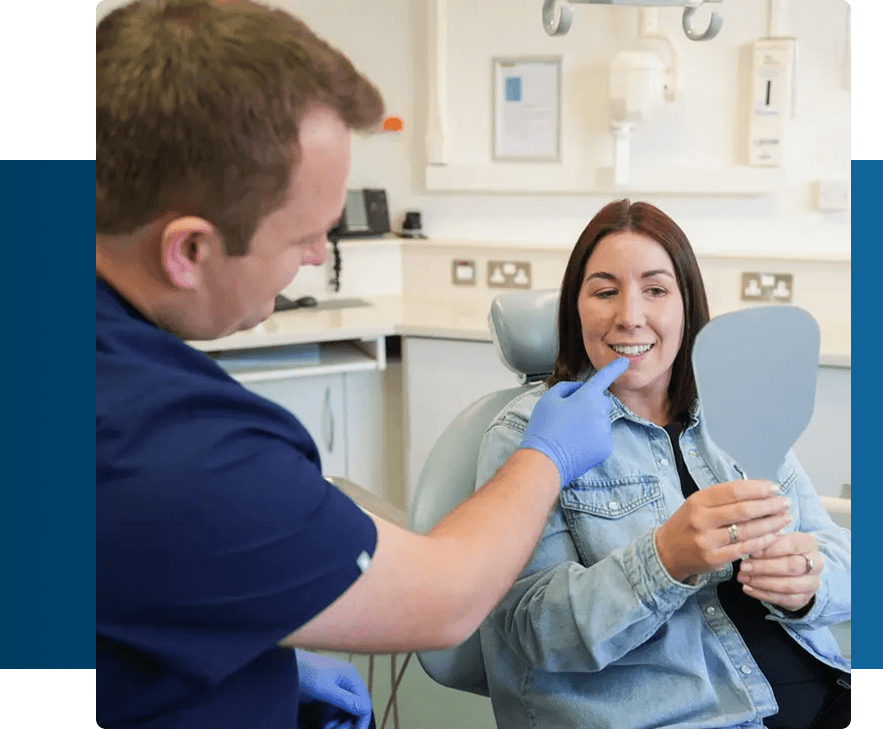
Any cosmetic procedure involves potential risks and limitations. A careful discussion can help you understand where change is likely to be modest, where improvements may be more noticeable, and where treatment would not reasonably meet expectations. Realistic aims usually lead to more confident decisions.
Questions to consider include the intended effect, areas treated, how conservative the plan is, what outcomes are not achievable, and how facial movement or asymmetry might influence results. You can also ask how suitability is assessed and what factors would lead to a no-treatment recommendation.
It is appropriate to ask about potential side effects, how they are managed, how you can reach the clinic for advice, and any signs that require prompt review. Clarity about these points supports informed consent and helps you feel prepared should you choose to proceed.
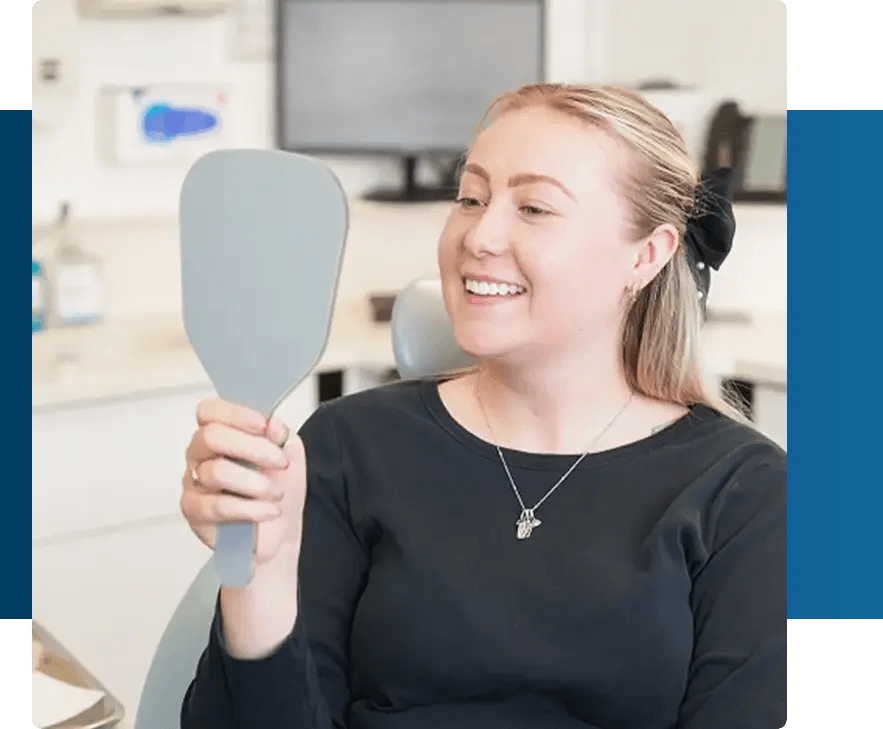
If treatment is appropriate and you decide to go ahead, straightforward aftercare guidance is discussed in advance. Typical topics include caring for the area, when to seek advice, and when a review may be useful. This helps you plan your time and expectations around normal routines.
Decision-making does not need to be immediate. You may prefer to reflect, consider photographs or notes from the consultation, or compare a staged approach with a single-visit plan. Understanding the rationale behind each option makes it easier to choose what aligns with your preferences.
If a plan is agreed, next steps can be scheduled, or you can request time to think. If treatment is not advised, you will receive clear reasons. If additional information is required before a decision, the clinic can outline what that would involve.
Individual Planning
Facial Aesthetics
BDS Manchester, 2018
Arriving with a short list of priorities helps keep the consultation focused. Consider noting the two or three features that matter most, where you prefer subtlety over change, and any previous experiences that might guide a conservative or staged plan. Photographs you like of yourself can be helpful context.
You might ask how the proposed plan respects facial anatomy, which areas are expected to shift balance most, and what signs indicate overcorrection. Questions about alternatives, non-treatment and how to assess results over time can further support confident, informed choices.
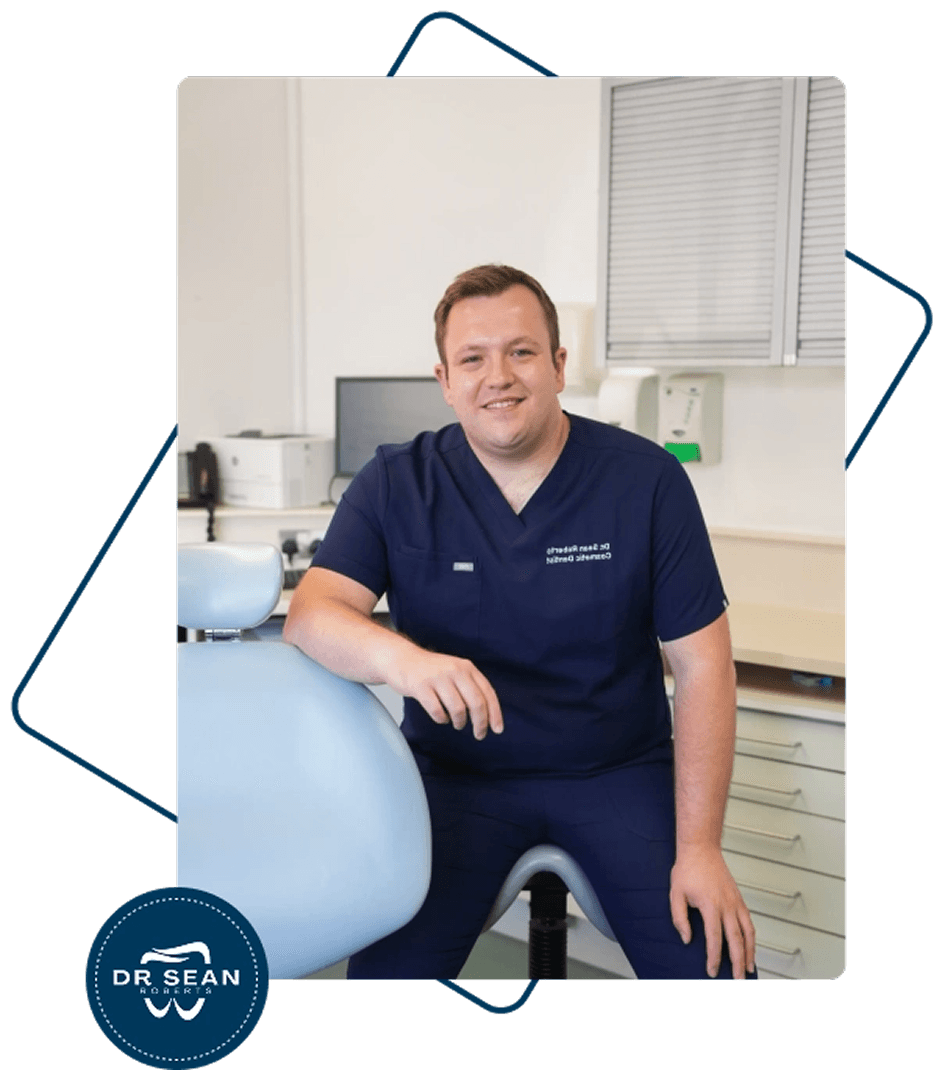
If you wish, you can ask about the clinician's approach to conservative treatment. Dr Sean Roberts works at Friars Dental Clinic in Aberystwyth, and he communicates in English and Welsh. If language preferences help you express goals more precisely, mention this when arranging your consultation.
How To Reach Us
How To Reach Us
Plan your route to Friars Dental Clinic on Park Avenue using a reliable map service. Allow extra time for parking and arrival so you can settle before your appointment.
Check current bus timetables to Aberystwyth and plan any connections in advance. Aim to arrive early to account for service changes or walking time from your chosen stop.
If travelling by rail, review schedules to Aberystwyth and consider onward walking time or a short taxi from the station. Build in flexibility for timetable updates.
Booking And Next Steps

Next Steps
If you would like to arrange a consultation or ask a question, you can call the clinic team on 01970 623 369. They can help you plan an appointment time and outline what information to bring.
If email is easier, contact hello@drsean.dentist. You can request a call back, outline your priorities briefly, or ask whether a discussion would likely include specific areas you are considering.
Prefer to think first? Make a simple note of priorities and questions, then get in touch when ready. The goal is to support informed decisions at a pace that feels right for you.
FAQ's
Frequently Asked Questions
You can discuss personal goals, relevant medical history, facial anatomy and skin considerations. The aim is to understand what matters most to you and whether treatment is appropriate. You will have time to ask questions and consider next steps without obligation.
Suitability is based on your objectives, facial anatomy, soft tissue characteristics and overall health considerations. The discussion covers where conservative support could help, what is unlikely to improve, and when non-treatment or alternatives are better aligned with natural-looking outcomes.
Yes, subtle, proportionate change is a common focus. A conservative, anatomy-aware plan aims to enhance balance rather than chase dramatic alteration. The consultation clarifies where small adjustments may help and where restraint preserves features you value.
Ask about limits of achievable change, potential side effects, how to seek advice, expected settling, and when review may be helpful. Clarify signs that warrant prompt contact and how to reach the clinic if you have concerns after your appointment.
Check your preferred travel options in advance, allowing extra time for connections or parking. Build in a buffer so you arrive relaxed and ready for your consultation. If unsure, contact the clinic for general arrival guidance.

Call The Practice
01970 623 369
Email Me
hello@drsean.dentist
Address
Friars Dental Clinic Park Avenue, Aberystwyth, SY23 1PB
All rights reserved © Dr Sean Roberts 2026
website designed and maintained by dentopia marketing
We use cookies to improve your browsing experience. You can accept all, reject all, or manage your preferences. See our Privacy Policy for more details.