By Car
Friars Dental Clinic is at Park Avenue, Aberystwyth, SY23 1PB. Check your preferred route before setting off and allow time to find the practice once you arrive in central Aberystwyth.

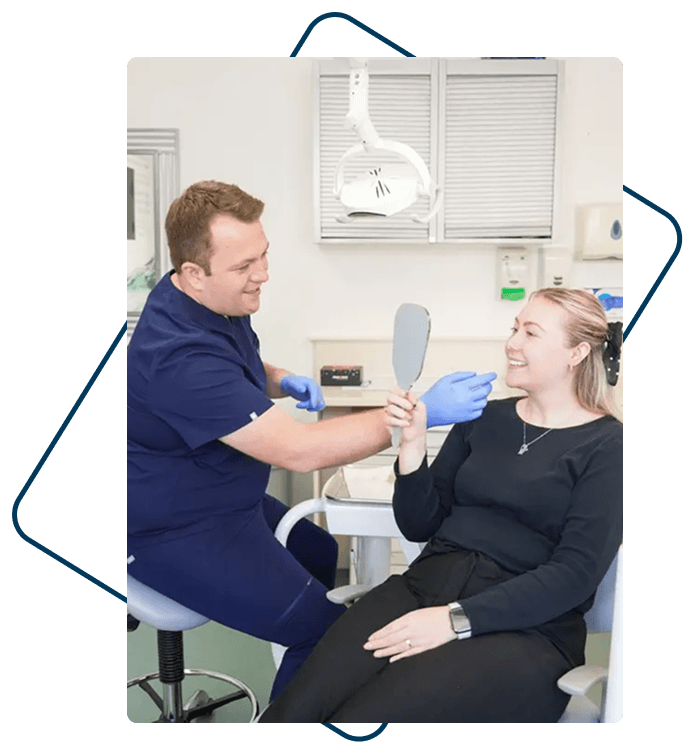
Preventive Dental Care

Dental Hygiene
Looking for clear dental hygiene advice near you? Patients from Waunfawr can visit Friars Dental Clinic in Aberystwyth for gum care guidance, professional cleaning and practical steps that fit everyday life. If you are unsure where to start with a manageable home routine, think first about consistency. A simple, repeatable approach to brushing and cleaning between teeth protects gum health, helps breath stay fresh and keeps everyday plaque under control while you decide whether to ask a dentist about professional support.
Healthy gums are supported by two things working together. Your daily oral care removes soft plaque in accessible places, while a dental professional can advise on areas that are being missed and, when appropriate, remove harder deposits. That combination helps reduce the risk of gum disease and makes your home routine more effective and sustainable.
On this page you will find clear signs that merit a dental assessment, how professional cleaning differs from home care, practical brushing and interdental advice based on NHS guidance, and how to arrange a visit to our Aberystwyth clinic from Waunfawr. Use these pointers to choose the next step that suits you.
Plaque is a thin, sticky film of bacteria that constantly forms on teeth. If it is not regularly removed, the bacteria can irritate gums and contribute to tooth decay. That is why twice-daily brushing matters, but also why some people still need targeted help in harder-to-clean areas.
Over time, plaque can harden into tartar that you cannot remove with normal brushing. Professional cleaning focuses on lifting away both plaque and tartar to support gum health and reduce decay risk. If you are noticing rough deposits or persistent staining, asking about hygiene services is a sensible next step.
Build-up often hides along the gumline, behind lower front teeth and around the edges of existing fillings or crowns. Even with good brushing, these spots can be stubborn. A dental professional can identify where deposits persist and suggest focused ways to keep them under better control at home.
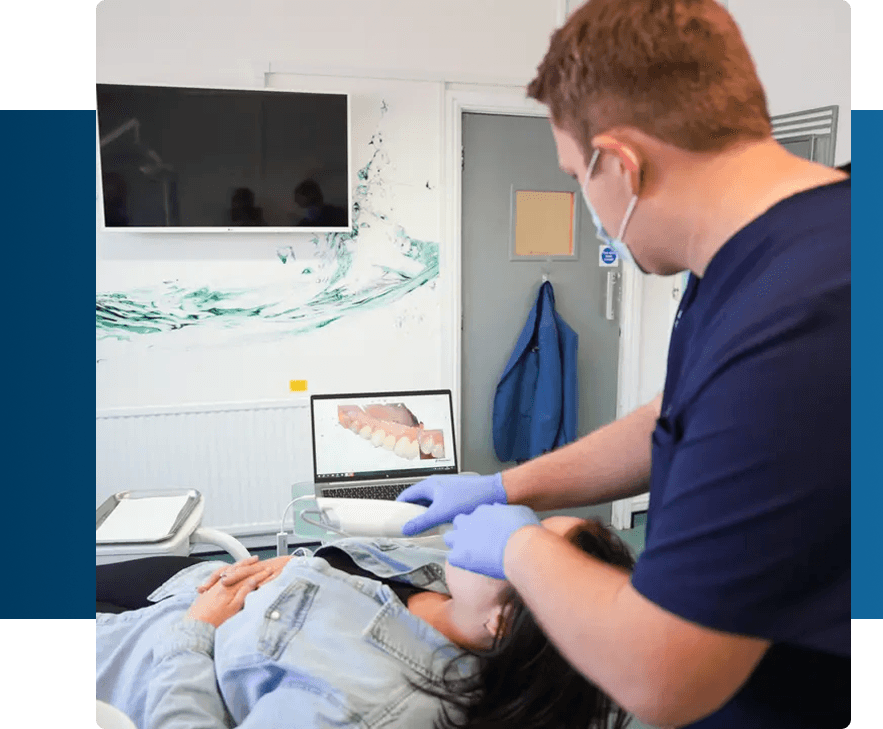
If your gums are red, swollen, tender or bleed when brushing or cleaning between teeth, it is time to arrange a dental assessment. These changes can suggest gum disease, and early attention is the safest way to understand what is happening and what will help in your situation.
Gum inflammation is commonly triggered by plaque sitting against the gum edge. Some people also notice persistent bad breath or a metallic taste. These signs alone do not diagnose the cause, but they do justify seeking individual advice so a dental professional can examine your gums and recommend appropriate support.
Do not stop brushing if you see blood. Gently brushing along the gumline with fluoride toothpaste helps reduce plaque and protect teeth. Keep the area clean and ask for guidance on technique and interdental cleaning, so you can address the cause of the bleeding rather than avoiding it.
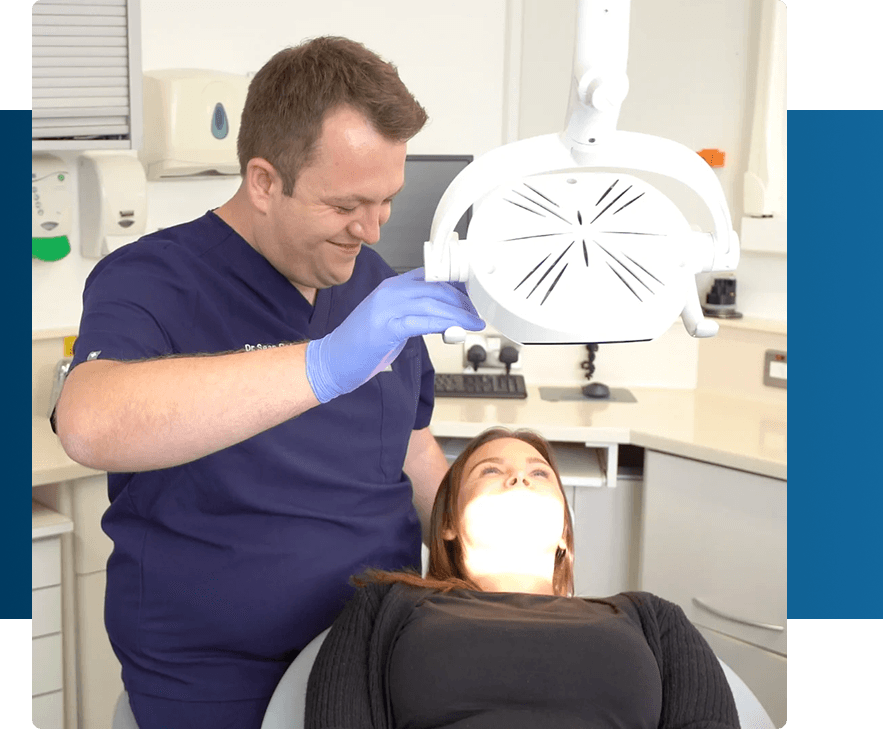
A professional clean is a dental procedure in which a trained clinician removes plaque and tartar from teeth in order to aid the prevention of gum disease and tooth decay. It complements, but never replaces, daily home care. The focus is on deposits and areas your normal routine cannot fully reach.
Terms such as scale and polish are sometimes used to describe this type of cleaning. Not everyone needs the same approach, and a specific technique may not be used at every visit. Your individual assessment will guide what is appropriate for you.
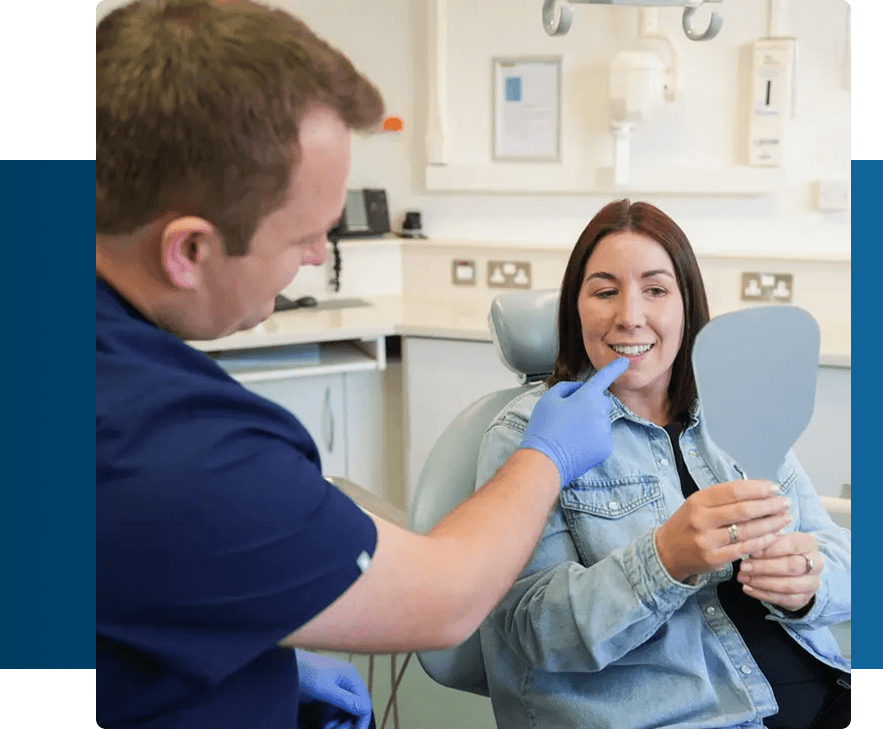
Brushing for about two minutes, twice a day, with a fluoride toothpaste helps control plaque and strengthens tooth surfaces. Cover all sides of each tooth, especially along the gumline. Small, gentle movements are effective; scrubbing hard does not improve cleaning and can make gums sore.
After brushing, spit out the excess toothpaste rather than rinsing with water straight away. This leaves a protective level of fluoride on your teeth for longer. Waiting a little before eating or drinking also helps the toothpaste do its job.
Clean between teeth daily using floss or interdental brushes to remove plaque and trapped food where a toothbrush misses. A dental professional can recommend whether floss or small brushes are best for your mouth and show you how to use them safely and comfortably.
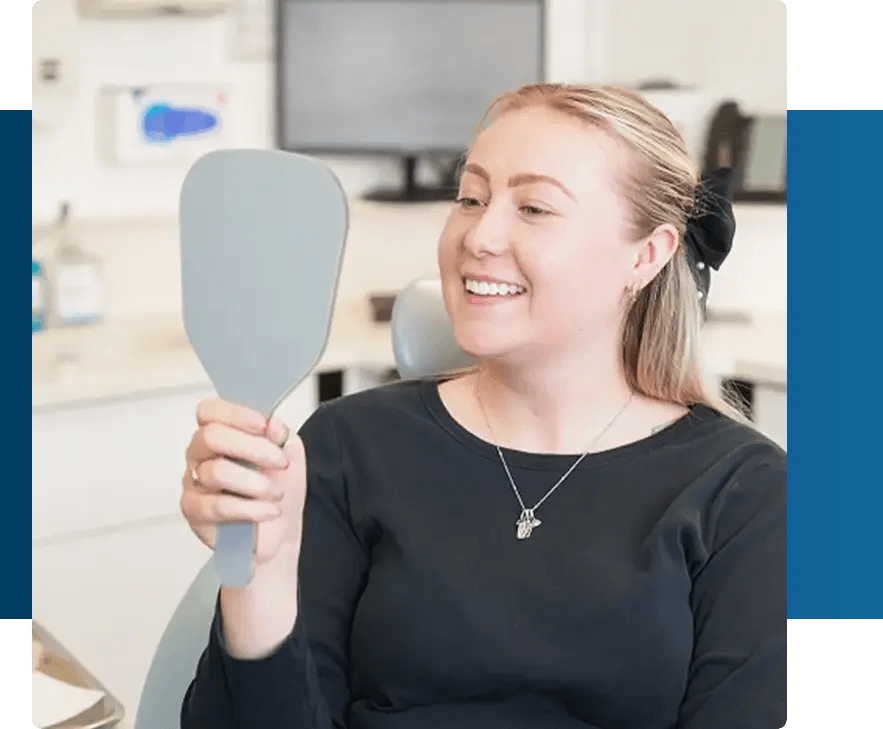
Dental check-up intervals are based on your oral health and individual risk, not a universal six-month schedule. Your dentist will advise a review period that reflects your gum health, plaque control and any other relevant factors, so you can plan care that fits your needs.
Everyday choices help too. Not smoking supports gum health, and limiting sugary food and drink helps guard against tooth decay. These do not replace brushing and interdental cleaning, but they work alongside them to reduce the overall risk to your teeth and gums.
Bring focused questions to your visit. Ask where plaque is still collecting, which interdental tool suits each gap, whether your toothpaste strength is appropriate, and how to adapt your technique around a particular filling or tight contact. Specific guidance makes your routine more efficient and easier to keep doing.
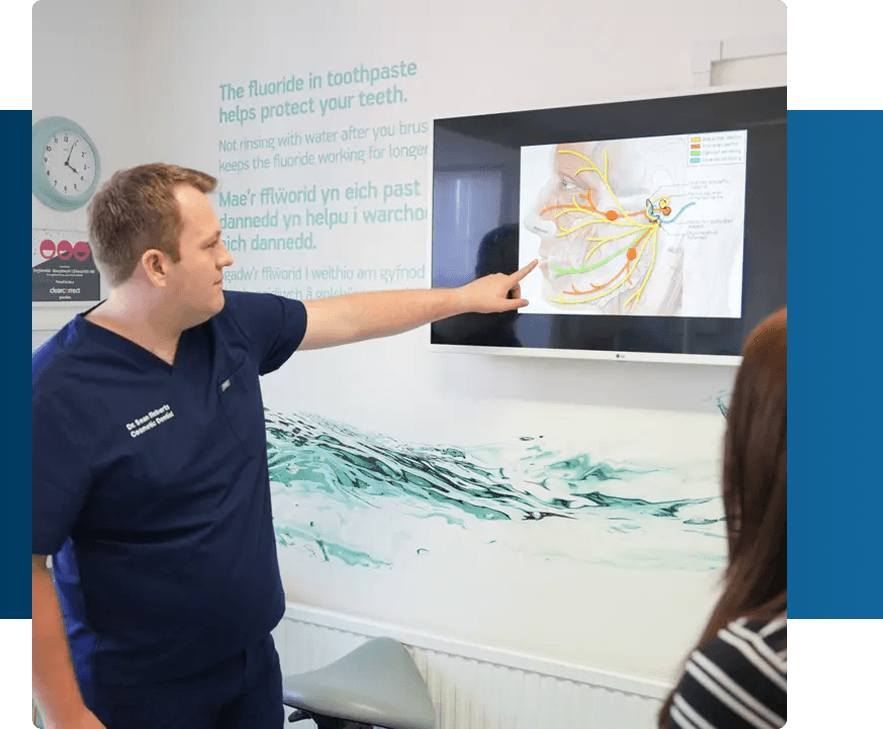
Practical Prevention
Dental Hygiene
BDS Manchester, 2018
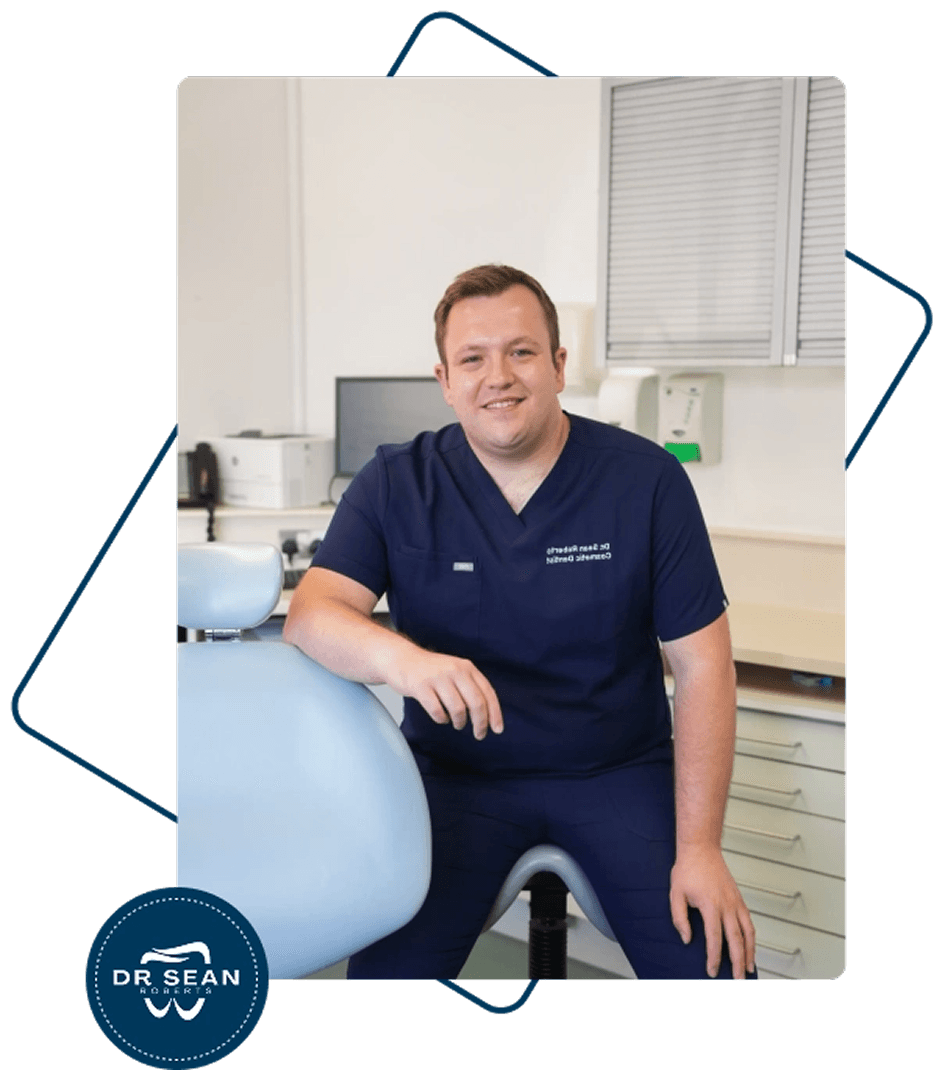
Good intentions become habits when they are simple and repeatable. Try brushing at two fixed times you rarely miss, and use a timer or a toothbrush with a built-in pacer to reach the full two minutes. At your visit with Dr Sean Roberts, you can ask about brushing angles that suit your gumline.
Interdental cleaning often fails because the tool does not feel right. Test different interdental brush sizes or floss types to find what slides comfortably without forcing. Start with a realistic goal, such as cleaning between teeth before bed on three set nights a week, then build to daily as it gets easier.
Support your routine with small prompts. Keep a dental travel kit in your bag, note any days you see gum bleeding, and review patterns at your next check-up. Reducing snack frequency and sugary sips between meals helps protect teeth, and the practice will advise a review interval that matches your oral health.
How To Reach Us
How To Reach Us
Friars Dental Clinic is at Park Avenue, Aberystwyth, SY23 1PB. Check your preferred route before setting off and allow time to find the practice once you arrive in central Aberystwyth.
If you plan to travel by bus from Waunfawr, check current timetables and the correct boarding stop in the village. Allow time for any onward walk within Aberystwyth to reach Park Avenue.
Check whether rail is suitable for your journey from Waunfawr. If travelling by train to Aberystwyth, allow time to make your way from the station to Park Avenue and the clinic entrance.
Booking And Next Steps

Next Steps
If you have noticed bleeding gums, rough tartar deposits or are unsure about your routine, booking an assessment is a practical first step. Appointments take place at Friars Dental Clinic in Aberystwyth, where your gum health and cleaning needs can be discussed.
To arrange a visit or ask a question, please call 01970 623 369 or email hello@drsean.dentist. Share any specific concerns, such as bleeding when brushing or cleaning around a particular tooth, so your assessment can focus on what matters to you clinically.
If you feel nervous about dental treatment, let the team know when you get in touch so your concerns can be discussed beforehand. Clear information and a step-by-step plan help many people feel more comfortable about moving forward with preventive care.
FAQ's
Frequently Asked Questions
Brush twice daily for about two minutes using a pea-sized amount of fluoride toothpaste, covering the gumline. Spit out excess rather than rinsing, then avoid food and drink for a short time so fluoride can act longer on your teeth.
Both can work. Interdental brushes are often effective for larger spaces, while floss can help in tight contacts. The right choice varies by tooth and gap size, so ask a dental professional to recommend the most suitable option for your mouth.
Bleeding that persists despite careful brushing and interdental cleaning needs a dental assessment. Plaque or tartar may be irritating the gums. Do not stop cleaning; book an examination so individual advice and, where appropriate, professional cleaning can be planned.
If you can feel hardened, rough deposits, see persistent staining at the gumline, or struggle to clean tight or hidden areas, professional removal helps. Your dentist will advise suitable cleaning and a review interval based on your oral health, not a fixed schedule.
Choose your preferred route by car to Park Avenue, Aberystwyth, SY23 1PB, or check current bus and rail options that suit your timetable. Allow time for any walk from arrival points in Aberystwyth to the clinic entrance.

Call The Practice
01970 623 369
Email Me
hello@drsean.dentist
Address
Friars Dental Clinic Park Avenue, Aberystwyth, SY23 1PB
All rights reserved © Dr Sean Roberts 2026
website designed and maintained by dentopia marketing
We use cookies to improve your browsing experience. You can accept all, reject all, or manage your preferences. See our Privacy Policy for more details.