By Car
Friars Dental Clinic is on Park Avenue, Aberystwyth, SY23 1PB. Set your sat nav to the address and review your route before leaving so you arrive with time to find the entrance and get settled.

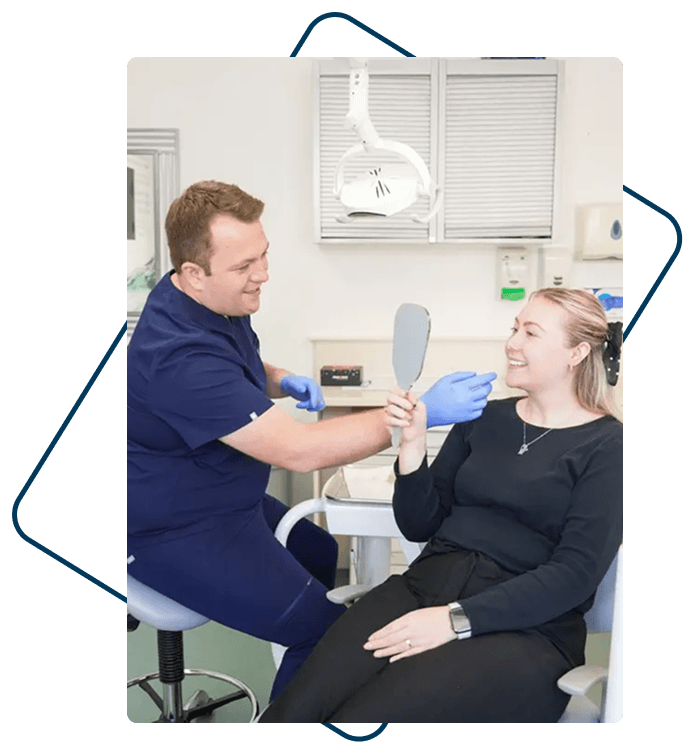
Preventive Dental Care

Dental Hygiene
Practical dental hygiene for people travelling from Tre'r-ddol to Aberystwyth, focusing on bleeding gums, plaque and tartar removal, and clear everyday guidance to help you protect gum health between visits. Seeing blood when you brush or floss can be unsettling. Occasional spotting might follow a short spell of less thorough cleaning, but persistent bleeding, soreness or swelling should be checked. An examination in Aberystwyth can identify what is happening around your gums so you receive advice that fits your mouth.
Bleeding often relates to plaque that sits along the gumline or between teeth. If plaque stays in place, it can harden into tartar that is harder to remove at home. A professional clean targets these deposits and supports healing, while you continue gentle, effective cleaning each day.
It helps to notice when bleeding occurs, which teeth feel tender and any areas you find difficult to clean. Bringing these details to your appointment allows the dental professional to focus on the right spots and tailor practical guidance for you.
Plaque builds in harder-to-reach places, such as between tight contacts, behind lower front teeth and at the gumline. Our hygiene services involve professional cleaning to remove plaque and tartar that daily brushing may miss, supporting healthier gums and helping to prevent further build-up.
Plaque is a soft film of bacteria on teeth. Left in place, it contributes to gum disease and tooth decay. Once plaque hardens into tartar, a toothbrush will not dislodge it. A professional clean is designed to tackle these deposits so your home care can work better afterward.
A scale and polish refers to the professional removal of plaque and tartar from teeth, typically followed by a polish to smooth surfaces. Not everyone needs the same approach at every visit, so the exact cleaning is guided by your assessment rather than assumed in advance.
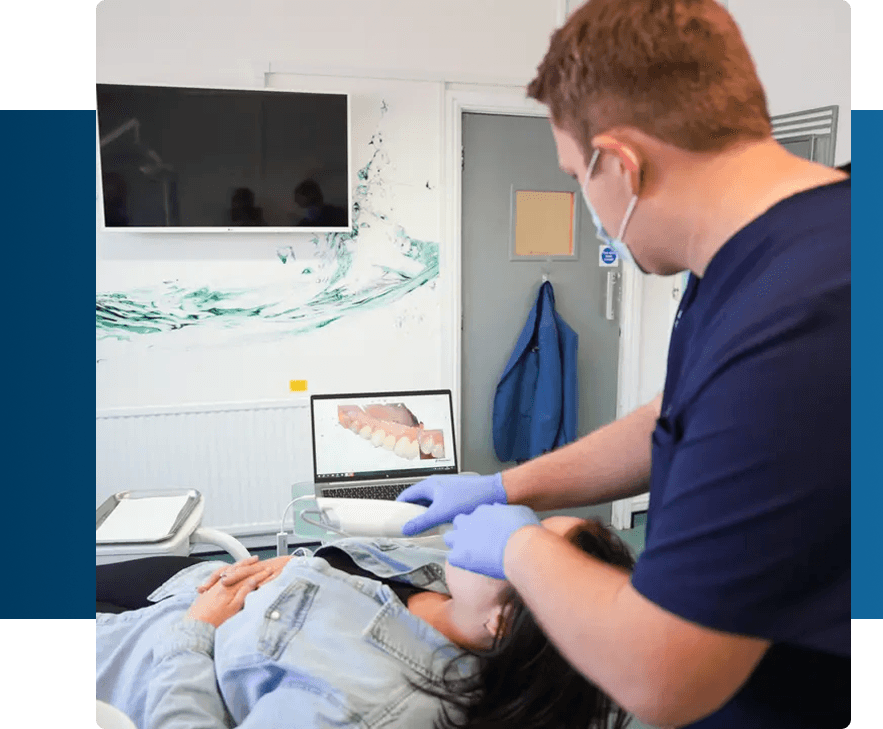
Red, swollen or sore gums, bleeding when brushing or flossing, and lingering bad breath can be signs of gum disease. If you notice these symptoms, booking a dental assessment is the safest next step rather than waiting for things to settle on their own.
An examination looks for where plaque and tartar are accumulating and whether inflammation is present. It also considers things like where your toothbrush bristles reach, how you clean between teeth and any lifestyle factors influencing gum health. The advice you receive is based on what is found.
A professional clean helps remove stubborn deposits, yet an assessment first clarifies what is needed and where. This avoids guessing, keeps cleaning gentle and focused, and makes your daily routine more effective without over-scrubbing areas that are already tender.
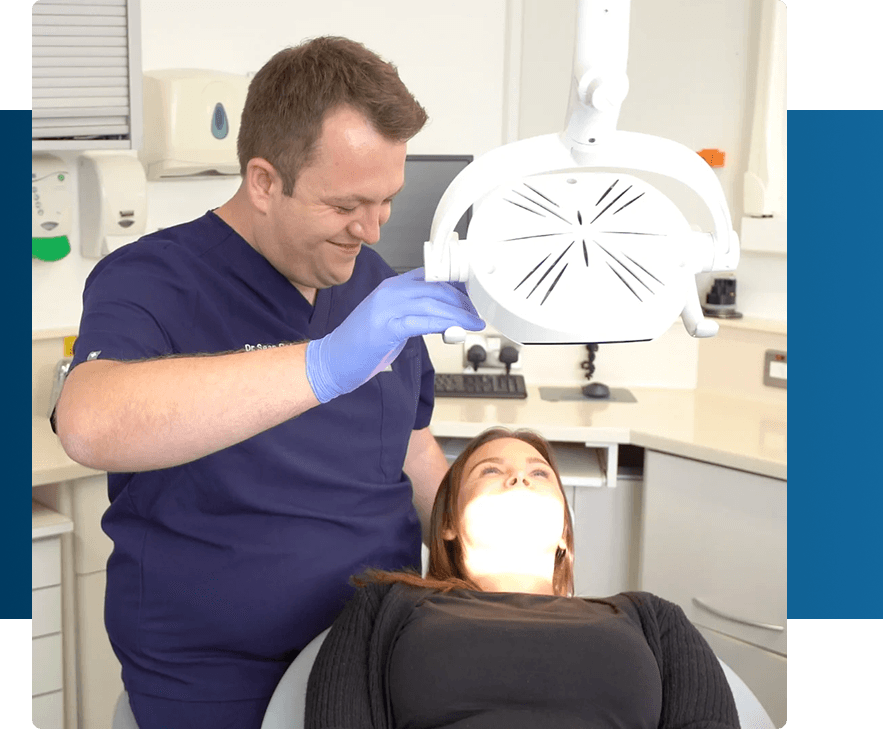
Professional cleaning is aimed at carefully removing plaque and hardened tartar from tooth surfaces, particularly around the gumline and between teeth. This helps reduce irritation and supports gum healing over time, alongside your own brushing and between-teeth cleaning at home.
The exact method depends on your individual findings and may vary between visits. A clean is not a one-size-fits-all procedure, and it is not a substitute for daily care. Your examination will guide what is appropriate for you at that point in time.
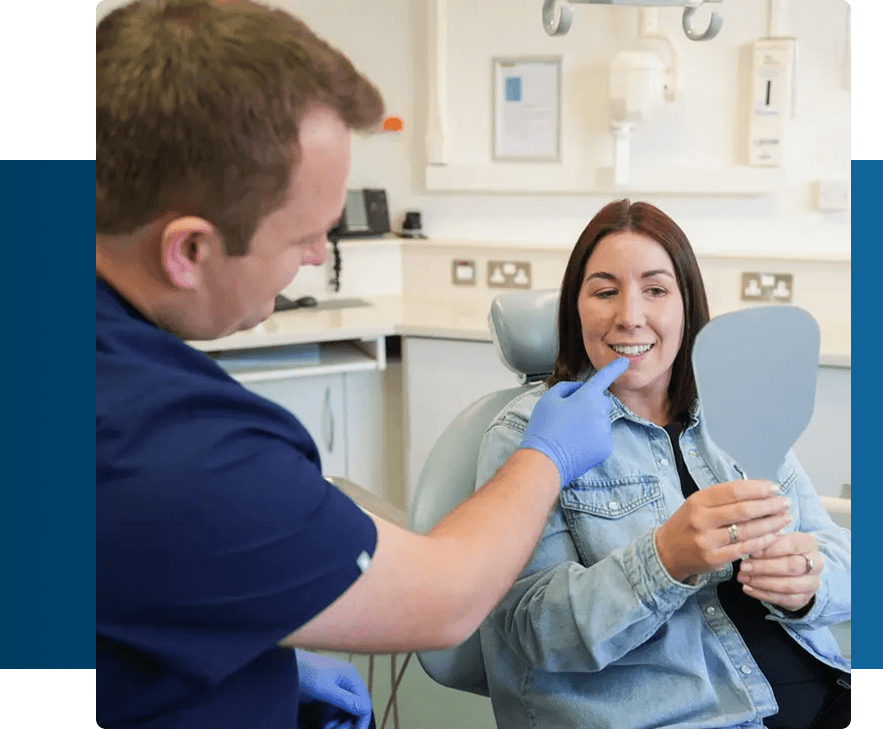
Brush twice a day for about two minutes using a fluoride toothpaste. Position the bristles at the gumline and use small, gentle movements. After brushing, spit out excess toothpaste rather than rinsing, leaving more fluoride on tooth surfaces to help protect against decay.
Clean between your teeth every day to remove trapped food, debris and plaque from places a toothbrush cannot reach. Interdental brushes or floss can work well, depending on your spacing. A dental professional can recommend suitable ways to clean between teeth that match the gaps in your mouth.
If bleeding has worried you, keep movements light and steady rather than scrubbing. Think about a simple sequence you can repeat morning and night so no area gets missed. Consistency and technique usually matter more than brushing with force.
Your ideal check-up and hygiene interval depends on your oral health and risk, not a universal six-month rule. After your assessment, you will be advised when a review is appropriate for you, taking into account how your gums respond and how easily you can maintain clean tooth surfaces.
Everyday choices also influence gum health. Not smoking supports healthier gums, and limiting sugar helps protect teeth from decay. Together with effective cleaning, these habits can reduce the conditions that allow plaque to thrive along the gumline.
To get tailored guidance, arrive with practical questions. For example: which areas show the most plaque today, what size interdental brush fits specific gaps, whether your current brushing angle is right and how to adjust your routine if certain spots keep bleeding.
Practical Prevention
Dental Hygiene
BDS Manchester, 2018
If your gums bleed frequently, the first goal is to understand where the problem sits rather than assume a single clean will solve it. An assessment pinpoints whether there is tartar under the gumline, plaque-retaining ledges around existing fillings or simply technique gaps to correct.
Where inflammation is present, a focused plan follows. This could include professional removal of deposits in the affected areas and step-by-step advice for gentle daily cleaning while the tissues settle. You will also learn how to monitor improvements, such as reduced bleeding points and less tenderness.
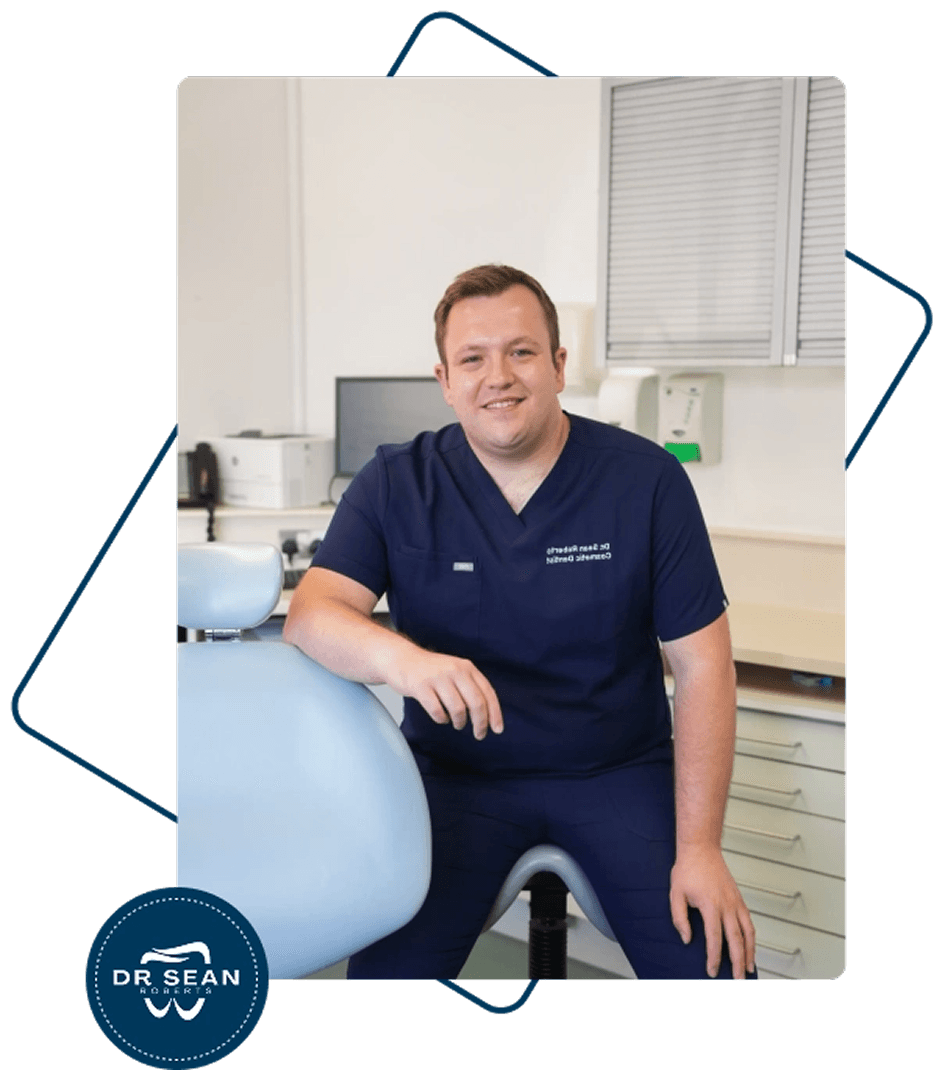
Clear, consistent information helps you decide what to do next. If you would value continuity and straightforward explanations, you can meet Dr Sean Roberts during your visit, discuss your symptoms and agree on practical hygiene priorities that match your mouth and lifestyle.
How To Reach Us
How To Reach Us
Friars Dental Clinic is on Park Avenue, Aberystwyth, SY23 1PB. Set your sat nav to the address and review your route before leaving so you arrive with time to find the entrance and get settled.
If you plan to travel by bus, check current services and your Tre'r-ddol boarding stop toward Aberystwyth, then allow time for the onward walk or local connection to Park Avenue. Timetables can change, so confirm details before setting off.
See whether a rail journey to Aberystwyth suits your plans, then map the short onward route to Park Avenue from the station. Check live timetables and any connections in advance so your arrival and clinic time align comfortably.
Booking And Next Steps

Next Steps
If you are ready to enquire about dental hygiene care for bleeding gums, plaque or tartar concerns, please call 01970 623 369 or email hello@drsean.dentist. Briefly describe your symptoms and any sensitive areas so your initial assessment can focus on the right places.
At your visit, a dental professional will examine your gums and teeth, explain the findings and advise on appropriate cleaning or other steps. The aim is to remove stubborn deposits where needed and make your home routine more effective without over-brushing.
If you feel nervous about dental treatment, tell the team when booking so your concerns can be discussed. You are welcome to ask for explanations at each stage, and to note down tailored advice so changes to your daily routine are easy to follow afterward.
FAQ's
Frequently Asked Questions
Bleeding often means plaque is irritating the gumline. Do not stop cleaning. Brush gently for two minutes with fluoride toothpaste and clean between teeth daily. If bleeding continues after a few days, arrange an assessment so the cause and any tartar can be addressed.
If bleeding persists for more than a few days, occurs spontaneously, or is accompanied by swelling or soreness, book a dental assessment. An examination can identify plaque and tartar build-up or other factors and advise the most suitable cleaning approach for you.
Use a soft manual or electric brush with small, controlled movements at the gumline. Spend two minutes twice daily, spit not rinse, and clean between teeth carefully. If certain gaps feel tight or sore, a dental professional can recommend an appropriate interdental method.
It looks for where plaque and tartar collect, signs of inflammation, and how effectively you clean at the gumline and between teeth. Findings guide personalised cleaning and home-care advice, rather than assuming the same approach works for every mouth.
Many visitors drive using the clinic address, Park Avenue, Aberystwyth, SY23 1PB. If using public transport, check current bus or rail options to Aberystwyth and allow time for the short onward journey to Park Avenue from your arrival point.

Call The Practice
01970 623 369
Email Me
hello@drsean.dentist
Address
Friars Dental Clinic Park Avenue, Aberystwyth, SY23 1PB
All rights reserved © Dr Sean Roberts 2026
website designed and maintained by dentopia marketing
We use cookies to improve your browsing experience. You can accept all, reject all, or manage your preferences. See our Privacy Policy for more details.