By Car
Set your sat nav for Friars Dental Clinic, Park Avenue, Aberystwyth, SY23 1PB, then follow local roads into the town centre. Check your preferred route and traffic conditions before leaving to plan a smooth journey.

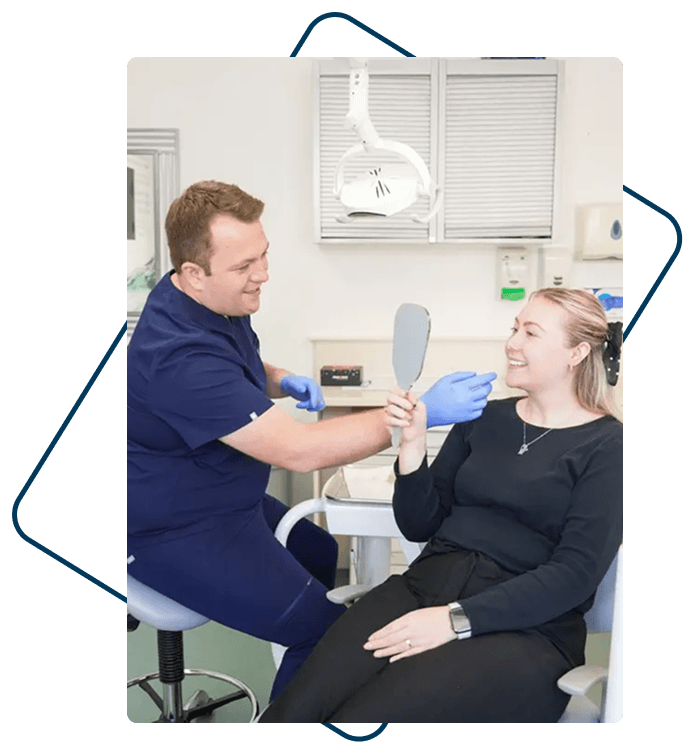
Preventive Dental Care

Dental Hygiene
If your gums bleed or feel sore, you can plan dental hygiene care from Rhydyfelin to Friars Dental Clinic in Aberystwyth, with focused cleaning and advice to support healthier gums. Bleeding when you brush can be worrying. It is often linked to plaque along the gumline irritating the gums, but the right response starts with a calm, individual assessment. A professional clean plus tailored home-care advice can help you control plaque and support healthier, more comfortable gums.
At Friars Dental Clinic, a dental professional can look at your gum health, identify visible plaque or hardened deposits, and discuss suitable cleaning. The aim is to reduce irritation, make daily care easier and help you understand which areas need the most attention without assuming the same approach suits everyone.
If you are travelling from Rhydyfelin to Aberystwyth for hygiene care, it can be helpful to jot down your symptom notes beforehand. Mention when bleeding started, whether it appears in one area or several, and if it follows brushing or eating. That information can guide practical advice and the focus of any professional cleaning.
Plaque is a thin film of bacteria that forms on teeth throughout the day. If not adequately removed, plaque contributes to gum disease and tooth decay by irritating the gums and producing acids that can damage tooth surfaces, especially around the margins where brushing sometimes misses.
When plaque sits undisturbed it can harden into tartar. Tartar cannot be removed with a toothbrush and tends to trap more plaque, keeping irritation close to the gums. Professional cleaning helps disrupt this cycle by carefully removing both soft plaque and hardened deposits so your daily brushing can work more effectively.
At Friars Dental Clinic, hygiene services involve professional cleaning to remove plaque and tartar and are described as aiding the prevention of gum disease and tooth decay. The exact approach is based on clinical findings, so the clean will focus on what is appropriate for your mouth rather than a one-size-fits-all routine.
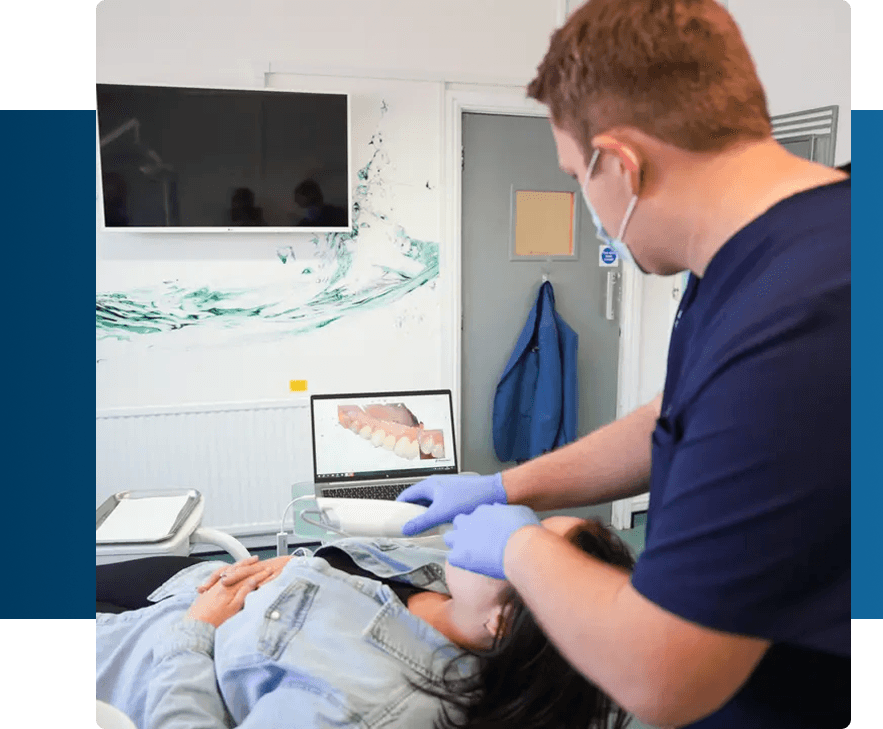
Red, swollen or sore gums, bleeding on brushing or flossing, and persistent bad breath can be signs that the gums need attention. If you notice these symptoms, it is sensible to seek a dental assessment rather than delaying, as early advice typically means simpler care and clearer guidance.
Bleeding does not diagnose a specific problem on its own. It can be linked to plaque at the gumline, but the severity and pattern vary between people. An assessment helps separate temporary irritation from issues that may need closer monitoring, and it allows for targeted cleaning in the areas that need it most.
If your gums are sore, try to continue gentle daily cleaning instead of avoiding those spots, and arrange to have them checked. Ongoing or worsening bleeding, tenderness, or swelling is a good reason to book an appointment so a professional can advise on the safest, most effective next steps.
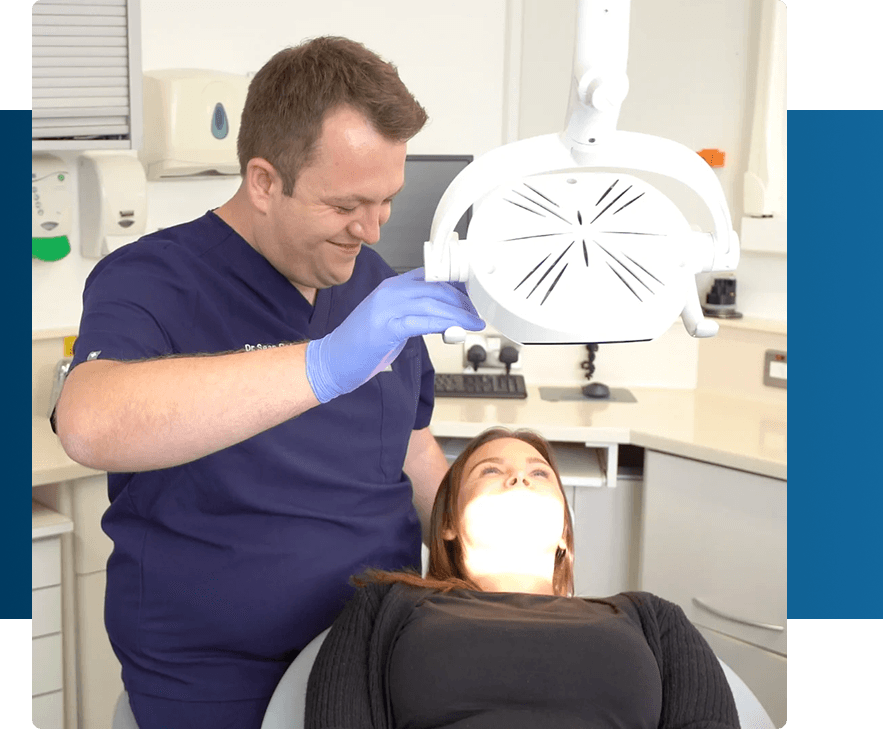
A professional clean focuses on the careful removal of plaque and tartar from tooth surfaces and around the gumline. The aim is to lower bacterial load, reduce irritation and make it easier for you to keep the area clean day to day with a toothbrush and between-teeth cleaning.
Depending on what the clinician finds, they may recommend a scale and polish, which involves professional removal of plaque and tartar from teeth. Not every patient will need the same procedure each time, and any cleaning is planned according to individual gum health and risk.
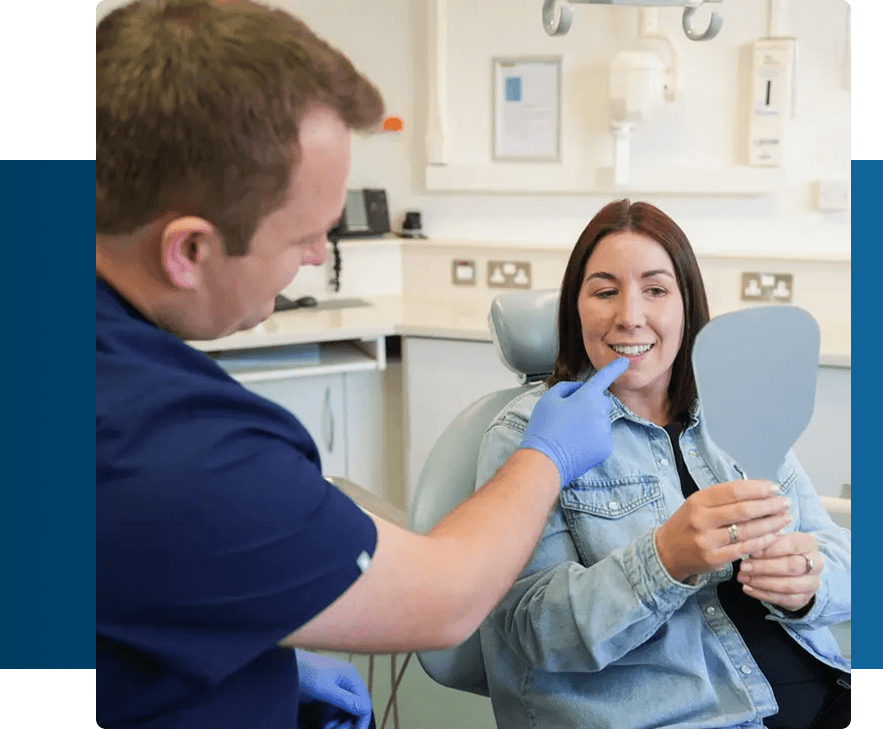
Brushing twice a day for about two minutes with a fluoride toothpaste helps control plaque and protect teeth. Using a small-headed, soft or medium brush and gentle circular motions allows the bristles to reach the gumline without scrubbing too hard or skipping the areas that bleed.
After brushing, spit out excess toothpaste rather than rinsing straight away. Avoiding an immediate rinse leaves more fluoride on your teeth to keep working, which helps strengthen enamel and supports the preventive effect between professional visits.
Clean between your teeth daily using floss or interdental brushes to remove food, debris and plaque from places a toothbrush cannot reach. A dental healthcare professional can recommend the most suitable way for you to clean between your teeth, including brush sizes or techniques that match your spacing and dexterity.
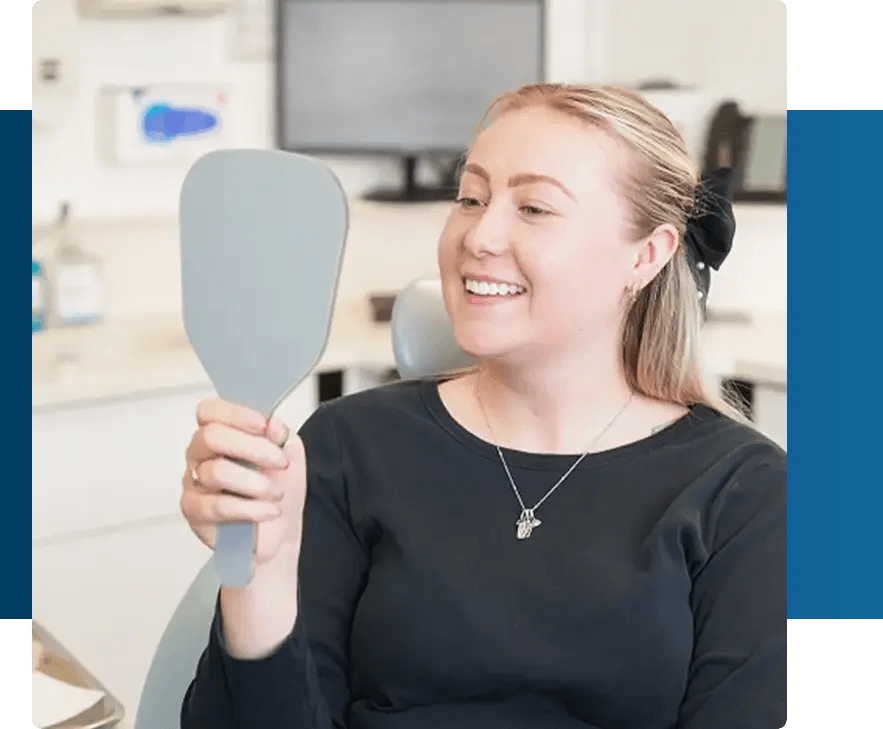
How often you are advised to have dental check-ups or hygiene visits depends on your individual oral health and risk. There is no universal six-month schedule that suits everyone. Your dentist will suggest an interval that reflects your gum condition, daily care, and any changes seen at each review.
Everyday choices support gum health. Not smoking and limiting sugar intake both help, alongside thorough brushing and interdental cleaning. Together, these habits reduce the factors that allow plaque to build and make professional cleaning more effective between visits.
Ahead of your appointment, note specific questions such as: which areas bleed most, whether you need different interdental brush sizes, or how to clean around a bridge or a crowded tooth. If you feel nervous about dental treatment, tell the team when booking so your concerns can be discussed.
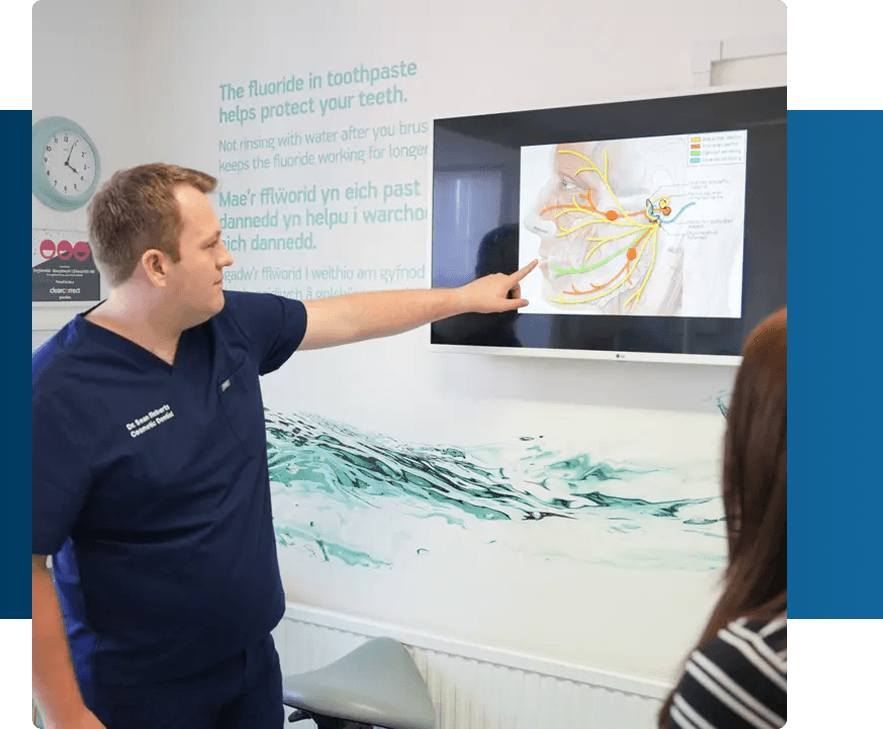
Practical Prevention
Dental Hygiene
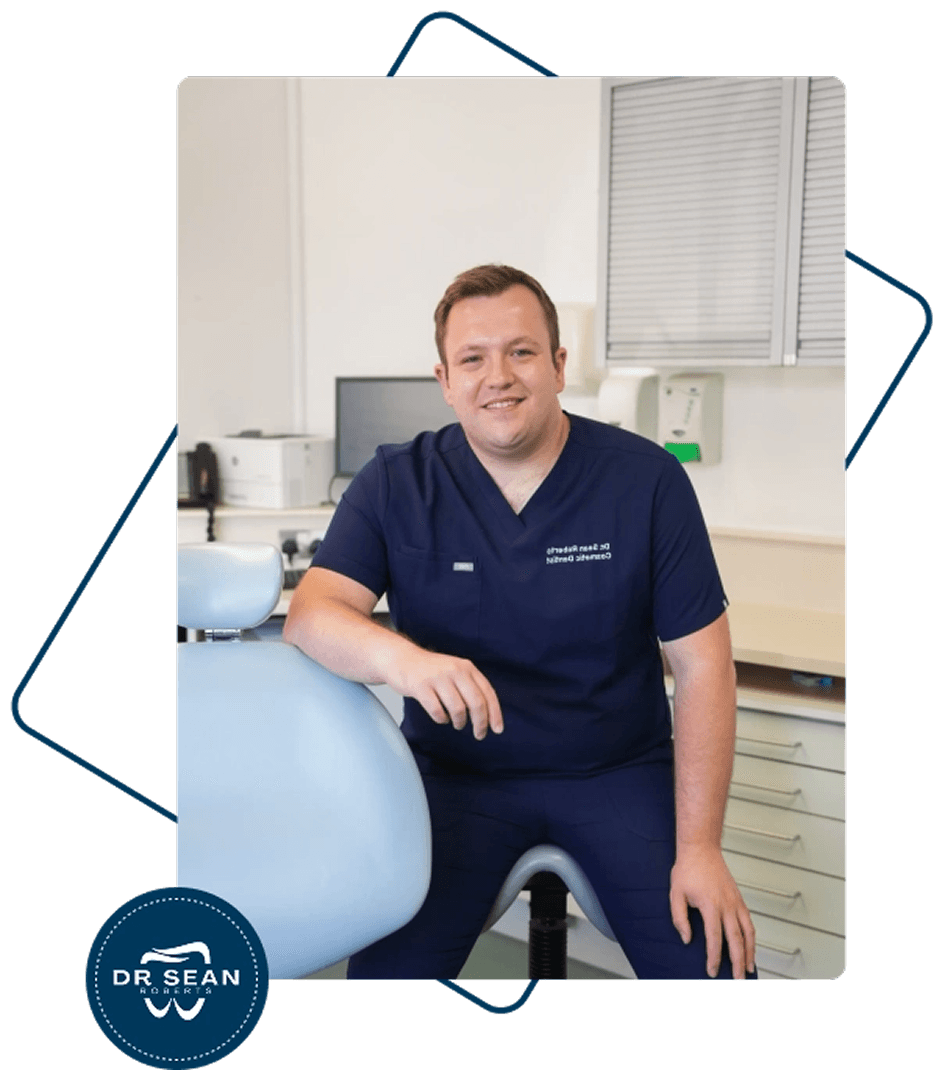
BDS Manchester, 2018
If bleeding, swelling, or tenderness continues despite careful home care, an assessment helps clarify whether a targeted clean alone is appropriate or if your gums need closer monitoring and personalised guidance. Tell the clinician when the bleeding occurs, how long it has lasted, and which spots are most sensitive.
Professional cleaning can remove the deposits that keep gums inflamed, but the plan may also include advice on technique, specific between-teeth tools, or follow-up to review healing. The goal is to reduce irritation safely, then help you maintain those results through consistent, achievable daily habits.
Noting details like duration, triggers, and any recent changes to your routine can make your appointment more productive. Sharing this with a clinician at Friars Dental Clinic, such as Dr Sean Roberts, supports clearer advice and helps the cleaning and guidance fit your situation.
How To Reach Us
How To Reach Us
Set your sat nav for Friars Dental Clinic, Park Avenue, Aberystwyth, SY23 1PB, then follow local roads into the town centre. Check your preferred route and traffic conditions before leaving to plan a smooth journey.
If travelling by bus from Rhydyfelin, check current services and your nearest boarding stop in advance, then allow time for any connections within Aberystwyth to reach Park Avenue. Timetables and routes can change, so confirm details before you travel.
Consider whether rail is suitable from your starting point and plan any onward connection within Aberystwyth to Park Avenue. Check up-to-date train times and local links before the day, as services and interchange options may vary.
Booking And Next Steps

Next Steps
If you have bleeding gums or are worried about tartar build-up, you can contact Friars Dental Clinic to arrange a dental hygiene appointment focused on your concerns. Call 01970 623 369 or email hello@drsean.dentist and mention any symptoms you are experiencing.
During your enquiry, it helps to describe where bleeding occurs, how long it has been happening, and any sensitivity or swelling. This context allows the team to note your priorities so your questions about daily cleaning can be addressed during your visit.
If you feel uneasy about dental care, please say so when you get in touch. Sharing worries early enables a discussion about your concerns and what matters to you, so the appointment can concentrate on clear explanations and practical next steps.
FAQ's
Frequently Asked Questions
Bleeding is commonly linked to plaque irritating the gumline. A professional assessment can confirm what is happening and whether targeted cleaning, technique advice, or follow-up is needed. Keep brushing gently and book an appointment if bleeding persists.
If swelling or bleeding continues for more than a few days, worsens, or affects multiple areas, seek an assessment. A clinician can check for deposits, discuss your routine, and advise whether cleaning alone is appropriate or if closer monitoring is needed.
Note when bleeding started, where it happens, whether it follows brushing or eating, and any tenderness. Bring your current brush and interdental tools if useful. Specific details help your dentist tailor cleaning and daily-care guidance.
Brush twice daily with fluoride toothpaste for about two minutes, use gentle circular motions, clean between teeth daily, and spit rather than rinse after brushing. If an area bleeds, continue light cleaning and arrange an assessment.
Driving is straightforward by setting your destination to Friars Dental Clinic, Park Avenue, SY23 1PB, and following local roads. For bus or train, check current services and allow time for local connections within Aberystwyth to reach the clinic.

Call The Practice
01970 623 369
Email Me
hello@drsean.dentist
Address
Friars Dental Clinic Park Avenue, Aberystwyth, SY23 1PB
All rights reserved © Dr Sean Roberts 2026
website designed and maintained by dentopia marketing
We use cookies to improve your browsing experience. You can accept all, reject all, or manage your preferences. See our Privacy Policy for more details.