By Car
Friars Dental Clinic is at Park Avenue, Aberystwyth, SY23 1PB. If driving from Pontrhydfendigaid, plan your route before setting off and allow time for local traffic as you approach Aberystwyth town centre.

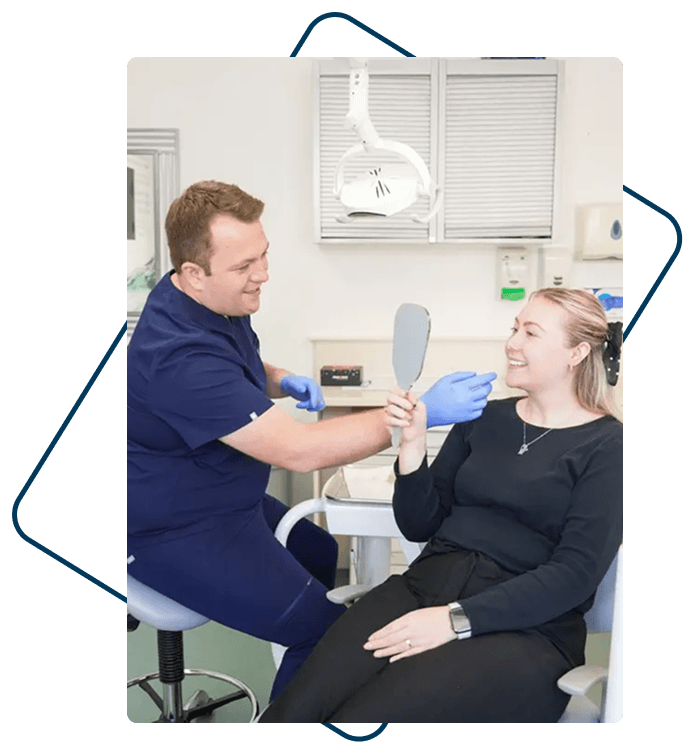
Preventive Dental Care

Dental Hygiene
If you are travelling from Pontrhydfendigaid for dental hygiene support, our Aberystwyth clinic offers professional cleaning and practical advice to help protect your gums and teeth. Noticing bleeding when you brush, soreness along the gumline or a lingering bad taste can be unsettling. A professional opinion helps you understand what is happening and what to do next. An assessment looks at your gum health and helps prioritise steps that are realistic for you at home.
Professional cleaning can reduce the build-up that irritates gums, while tailored home-care advice helps you control new deposits day to day. Together, these two elements support prevention rather than trying to fix problems after they have progressed. The result is a plan focused on protecting gums and teeth in the long term.
If you have existing fillings, crowns or bridges, the spaces around them can trap more deposits. A dental check can identify these sites and advise on ways to clean them more easily. The aim is to make your daily routine simpler and more effective, not more complicated.
Plaque is a sticky film of bacteria that forms constantly on teeth. If not removed, it can contribute to gum disease and tooth decay. Over time, minerals in saliva can harden plaque into tartar that a toothbrush cannot remove, especially around the gumline and between teeth.
Our hygiene services include professional cleaning to remove plaque and tartar where appropriate. The NHS describes a scale and polish as professional removal of these deposits, but it is not something every patient automatically receives. The right approach depends on your mouth, your risks and what will help you keep areas clean between visits.
A clean may be relevant if you can feel rough, hard deposits, if floss regularly shreds or snags, or if you notice staining that brushing does not shift. An assessment clarifies which teeth need attention and where daily cleaning could be improved to slow new build-up.
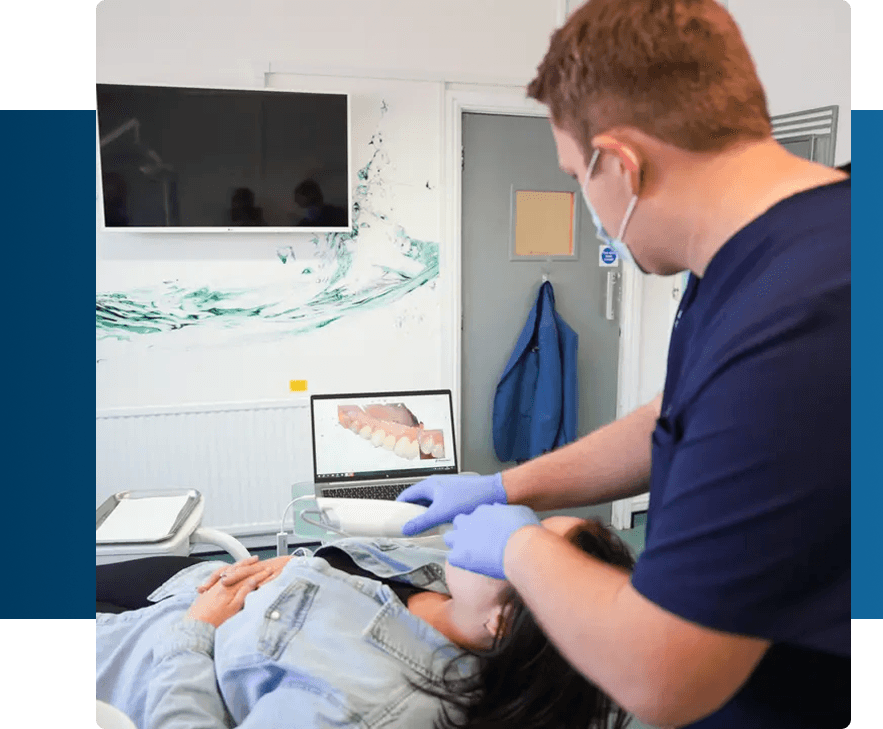
Gum disease can cause red, swollen, sore or bleeding gums. If you notice any of these symptoms, it is sensible to book a dental assessment. Early advice allows small issues to be managed more simply and helps prevent them from becoming more extensive problems later.
Persistent bad breath, a metallic taste, or gums that seem to be pulling away from teeth are also reasons to seek an examination. While these signs do not diagnose a condition by themselves, they are a prompt to get well-informed guidance tailored to you.
Importantly, do not stop brushing if your gums bleed. Continue gentle, thorough cleaning and arrange a review. Brushing twice daily with fluoride toothpaste, plus cleaning between teeth, supports gum health while you seek individual advice about any bleeding or soreness.
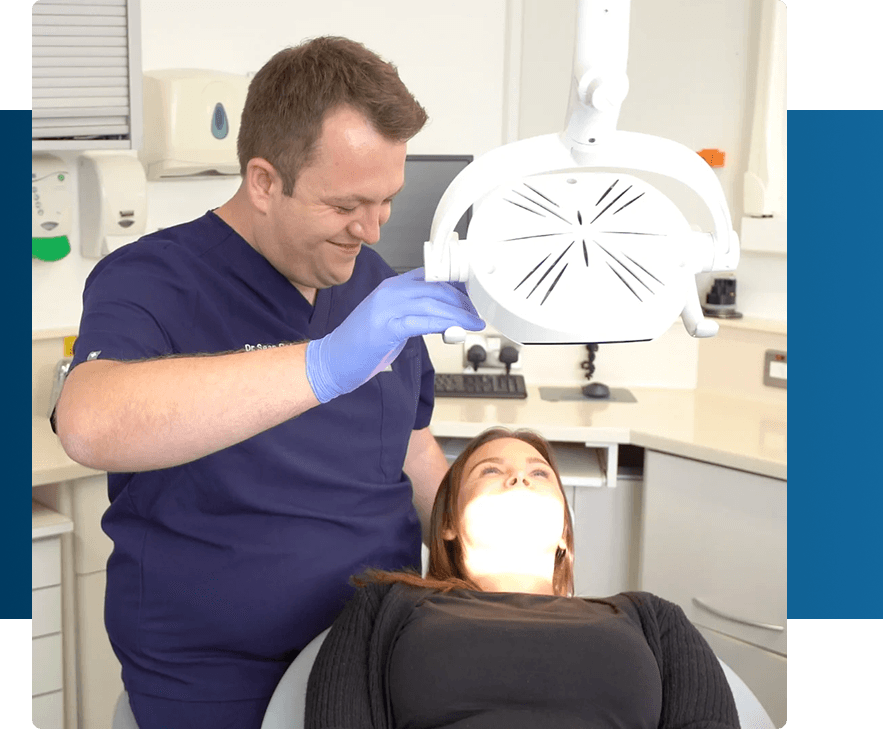
A professional clean focuses on carefully removing soft plaque and harder tartar deposits from your teeth. The NHS often calls this a scale and polish, although not every patient will need the same approach. The exact cleaning provided will depend on your assessment and individual needs.
Removing deposits helps reduce areas that trap new plaque and makes your daily brushing and interdental cleaning more effective. This supports the prevention of gum disease and tooth decay. A professional clean works alongside what you do at home and does not replace your daily routine.
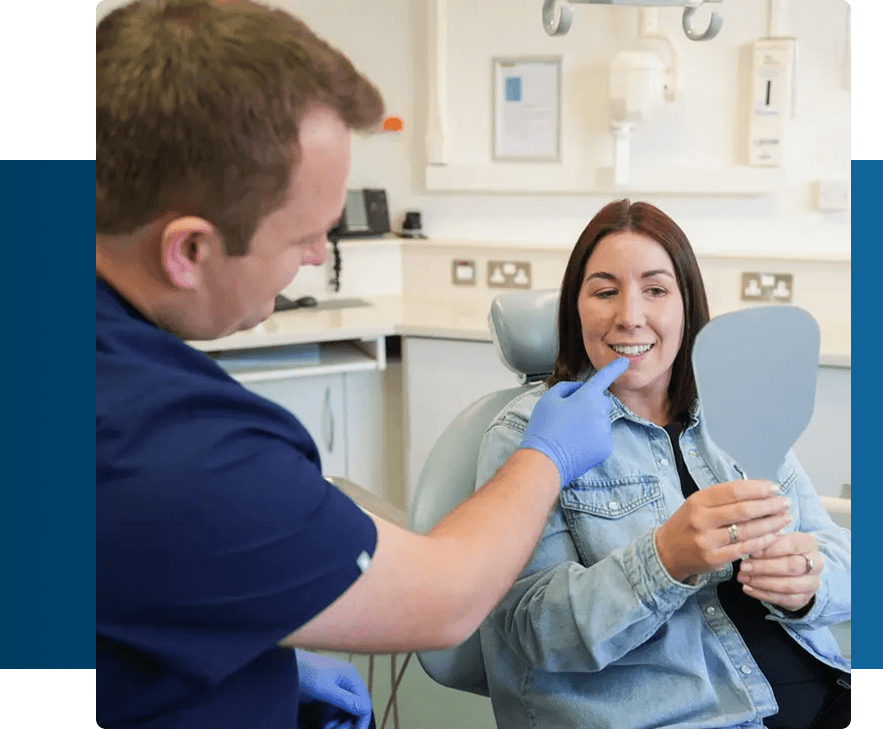
Brushing twice a day for about two minutes with fluoride toothpaste helps to control plaque and protect teeth. Use a methodical approach so you clean every surface. Gentle pressure is best, aiming to remove the film around the gumline without scrubbing hard.
After brushing, spit out excess toothpaste rather than rinsing straight away. Rinsing can wash away fluoride and reduce its protective effect. Brushing before bed and at one other time each day are good anchors that make the routine easier to keep up.
Cleaning between teeth with floss or interdental brushes helps to remove food, debris and plaque in places a toothbrush cannot reach. A dental professional can recommend suitable ways to clean between your teeth, taking account of the spaces, contacts and any restorations you have.
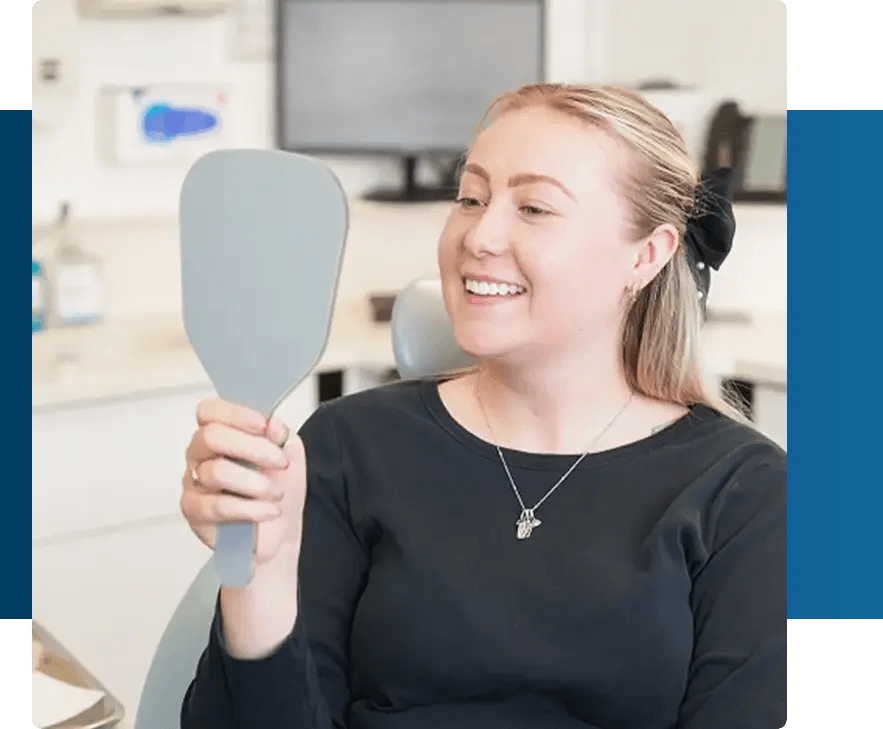
The ideal interval for dental check-ups depends on your oral health and personal risk factors rather than a fixed calendar. Your dentist can advise on a schedule that makes sense for you, taking into account your gum condition, decay risk and how easily you can keep areas clean.
To get the most from a review, consider questions such as: which teeth or sites tend to collect plaque fastest, what interdental aids suit your contacts, and whether any toothpaste or mouthrinse changes would be useful for your level of risk. Bring your current routine to the conversation.
Everyday choices also play a role in prevention. Not smoking and limiting sugar support oral health as part of daily self-care. Professional cleaning complements these choices by reducing deposits that fuel problems, while your routine keeps new build-up under control between visits.
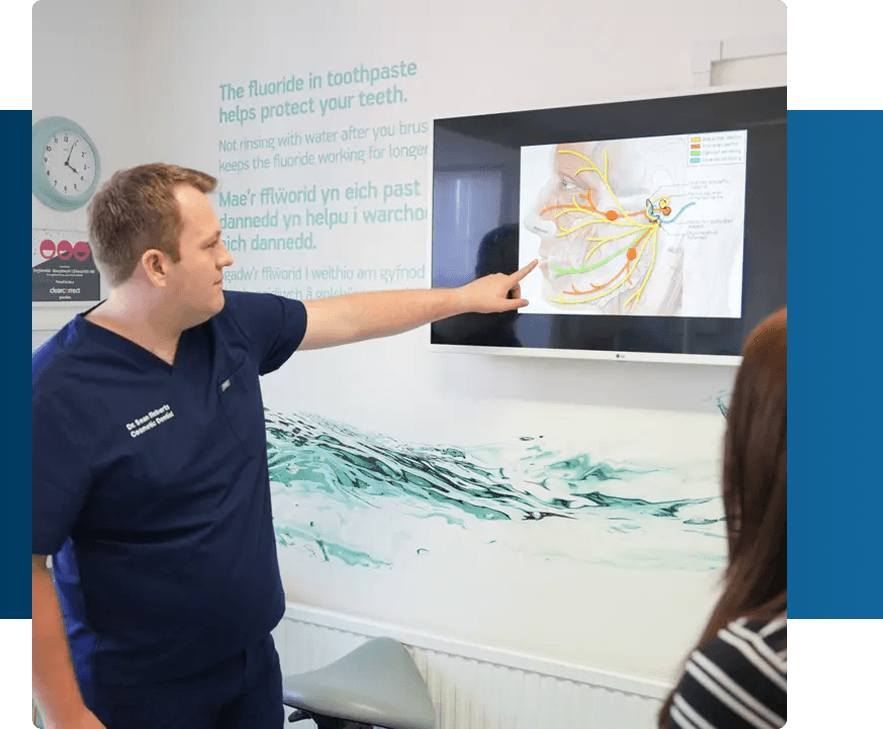
Practical Prevention
Dental Hygiene
BDS Manchester, 2018
Smoking is closely linked with poorer gum health. Not smoking supports the gums and is an important part of prevention. If you smoke, a review can help you understand how tobacco use interacts with plaque control and what small steps might make a meaningful difference.
Sugary food and drinks feed the bacteria that produce acids which can lead to tooth decay. Frequency matters. Keeping sugary items to mealtimes and choosing water or unsweetened tea between meals can reduce the number of acid attacks. Fluoride toothpaste helps teeth recover from these challenges.
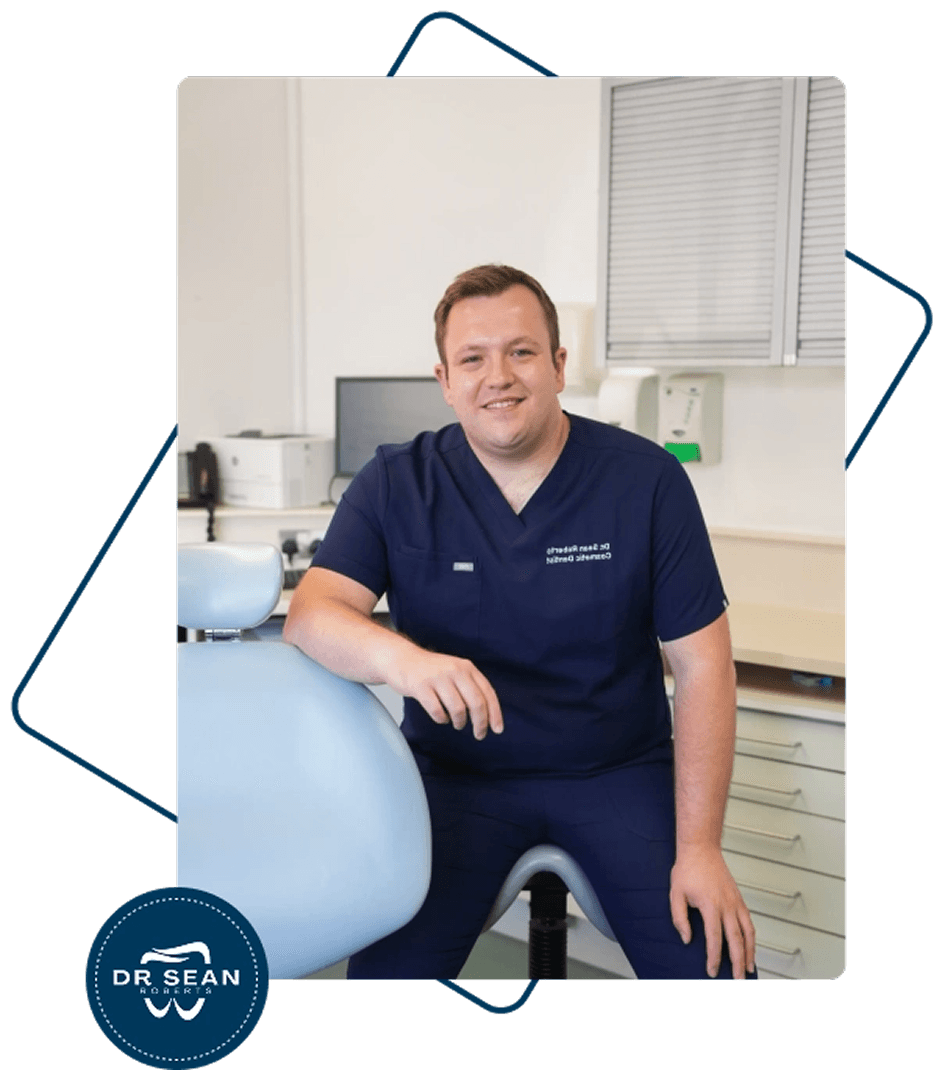
Habits are easier to change when the plan fits your day. During your visit, Dr Sean Roberts can discuss how your everyday choices influence your personalised hygiene plan and suggest practical adjustments you can keep up. Combining targeted cleaning with sustainable routines gives prevention the best chance to succeed.
How To Reach Us
How To Reach Us
Friars Dental Clinic is at Park Avenue, Aberystwyth, SY23 1PB. If driving from Pontrhydfendigaid, plan your route before setting off and allow time for local traffic as you approach Aberystwyth town centre.
Check current bus services from Pontrhydfendigaid and confirm your boarding stop. When you reach Aberystwyth, allow time for the onward walk or local connection to Park Avenue for the clinic.
If considering rail, check whether routes to Aberystwyth suit your departure point. You may need an onward bus or taxi from the station to Park Avenue. Confirm timings before you travel.
Booking And Next Steps

Next Steps
If you are worried about bleeding gums, hard deposits or persistent soreness, arrange an assessment so professional cleaning and tailored advice can be considered. To enquire, call 01970 623 369 or email hello@drsean.dentist and we will help you take the next step.
It is helpful to mention the symptoms you have noticed, where plaque tends to collect and which brushes or interdental aids you currently use. Bringing these details to your appointment makes the discussion more focused and supports a clear plan you can follow at home.
If you feel nervous about dental treatment, please tell the team when booking so your concerns can be discussed. A calm, stepwise approach and clear explanations help you feel well-informed, and your preferences can guide how preventive care is introduced.
FAQ's
Frequently Asked Questions
Smoking is linked with poorer gum health. Cutting down is a positive step and stopping supports the gums further. Professional cleaning reduces deposits, and tailored advice helps you maintain cleaner gumlines while you work toward changes that suit you.
Yes. Bleeding gums are a reason to seek an assessment. Keep brushing gently twice daily with fluoride toothpaste and clean between teeth. A dental professional can check your gums and advise on cleaning and any professional support needed.
Both matter, but frequency is particularly important. Frequent sugary snacks or drinks mean more acid attacks on teeth. Try to keep sugary items to mealtimes and use fluoride toothpaste to protect and strengthen teeth.
Brush twice a day for about two minutes with fluoride toothpaste, spit rather than rinse, and clean between teeth. Professional cleaning supports prevention by removing deposits your brush cannot shift, making your home care more effective.
Plan your preferred route to Park Avenue, Aberystwyth, SY23 1PB. If using the bus, check current services and your boarding stop. If considering rail, confirm routes and any onward connection to Park Avenue before travelling.

Call The Practice
01970 623 369
Email Me
hello@drsean.dentist
Address
Friars Dental Clinic Park Avenue, Aberystwyth, SY23 1PB
All rights reserved © Dr Sean Roberts 2026
website designed and maintained by dentopia marketing
We use cookies to improve your browsing experience. You can accept all, reject all, or manage your preferences. See our Privacy Policy for more details.