By Car
Friars Dental Clinic is on Park Avenue, Aberystwyth, SY23 1PB. Plan your route from Plwmp with your preferred maps app and check live traffic before setting off so you arrive in good time.

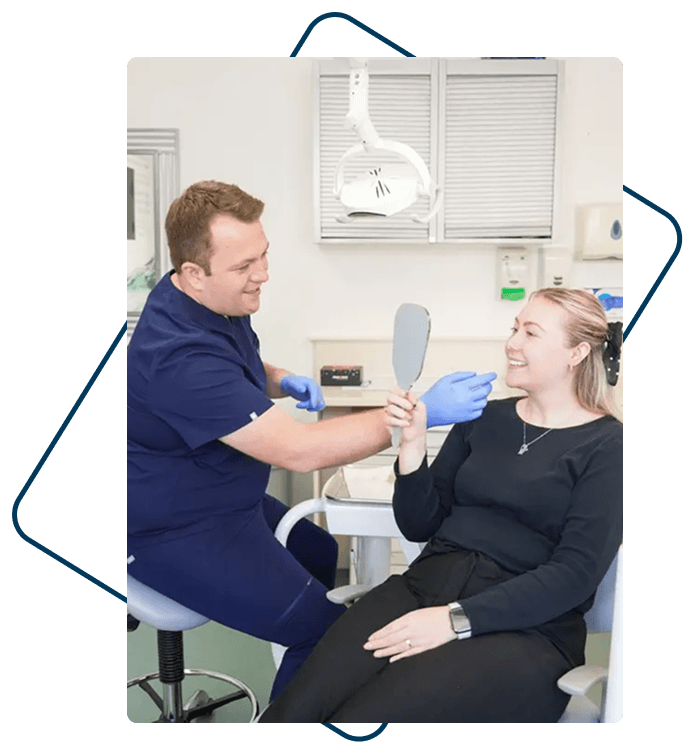
Preventive Dental Care

Dental Hygiene
Planning dental hygiene from Plwmp? Visit us in Aberystwyth for assessment, professional cleaning and practical advice to protect gums and teeth between visits. You may feel a rough patch that keeps returning, see a yellow rim near the gumline, or notice bleeding when brushing. An assessment in Aberystwyth can confirm whether this is soft plaque, hardened tartar or gum inflammation, and outline the most suitable next steps. If floss catches or a tooth often feels rough after meals, note that too.
Your goal is straightforward: keep gums healthy and reduce the chance of decay. Professional cleaning works alongside daily oral care. It targets deposits a home toothbrush cannot remove, especially hardened tartar above and just under the gumline, while your routine keeps new plaque in check between visits, particularly after the night-time brush.
Ahead of your visit, jot down where deposits collect, whether certain teeth bleed, and any mouthwash or tools you use. Include any dryness from medication, smoking or vaping history, and how long bleeding lasts. Clear questions help your dental professional tailor advice to your needs and priorities on the day.
Plaque is a soft, sticky film of bacteria that constantly forms on teeth and along the gumline. If not removed, minerals in saliva can turn plaque into tartar, a hardened deposit that toothbrush bristles cannot shift effectively. It often builds near the gum edges, behind lower front teeth and around crowded areas that are harder to reach.
A professional clean removes plaque and tartar to support gum health and reduce the risk of tooth decay. At Friars Dental Clinic, hygiene services include professional cleaning precisely for this purpose, complementing what you do at home and helping reduce inflammation so surfaces are easier to keep clean afterwards.
A scale and polish is one way a dental professional may remove deposits, though not everyone needs the same approach. For example, tartar often collects behind lower front teeth, but other areas may need different attention depending on your mouth and restorations. Instruments or techniques are selected with comfort and access in mind.
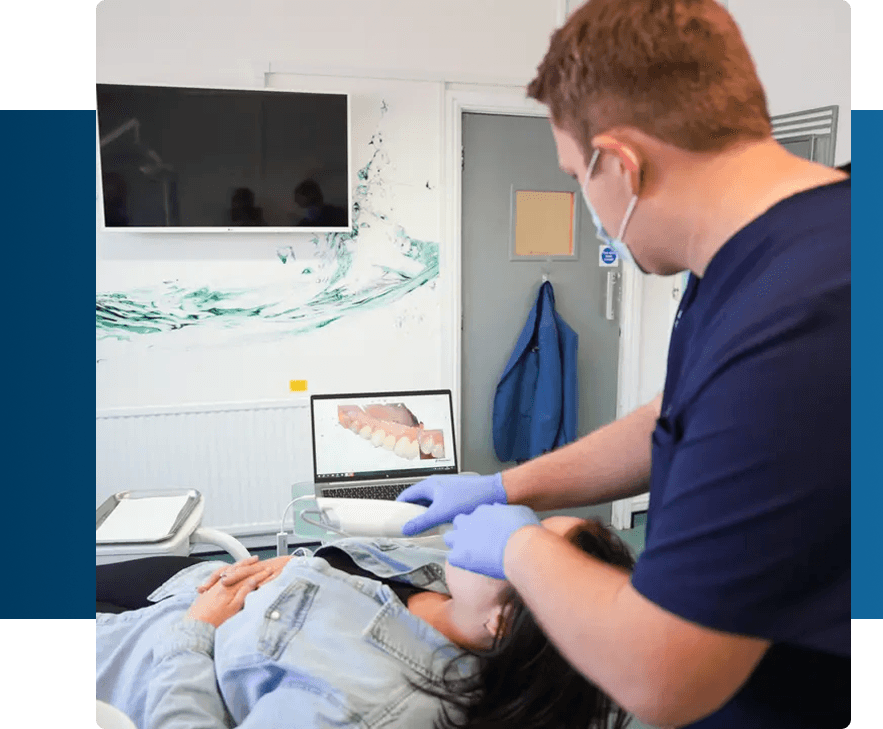
If gums are red, swollen, sore or bleed when brushing or flossing, that can be a sign of gum disease. Rather than watch and wait, arrange a dental assessment so the cause can be identified and addressed appropriately. Early advice helps limit inflammation and protect the tissues that support your teeth.
Visible deposit and gum symptoms do not always line up. You might see tartar but have few symptoms, or notice bleeding without obvious build up. Sometimes new flossing or over-scrubbing can also make gums bleed. An individual examination clarifies what is present and whether any tissue is inflamed or healthy.
If you notice new bleeding, a persistent bad taste, or tender gums, describe exactly where and when it happens. Mention if it follows morning or evening brushing and how long it lasts. These details help your dental professional focus the examination and recommend targeted cleaning and home-care adjustments.
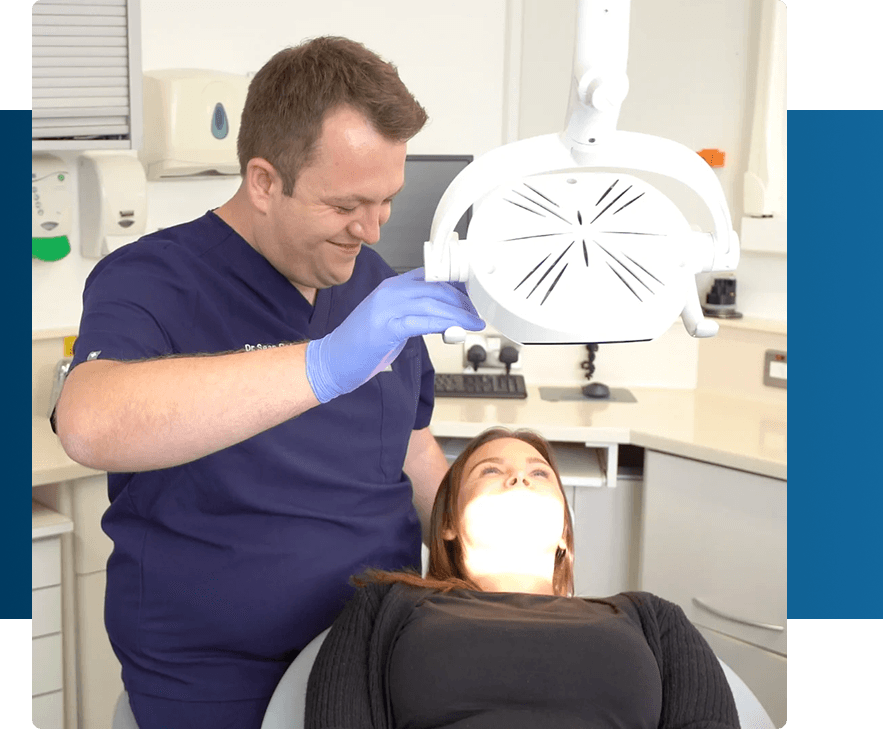
A professional clean means a dental professional removes plaque and tartar that home brushing cannot reach or dislodge. Methods are selected for your mouth, and may include smoothing rough areas so plaque is less likely to cling there and advising which sites tend to accumulate deposits so you can target them at home.
The aim is to support the prevention of gum disease and tooth decay while keeping recommendations practical for your daily routine. It is not a one-size-fits-all polish; the approach depends on your deposits, gum condition, existing restorations and specific risk factors identified at assessment.
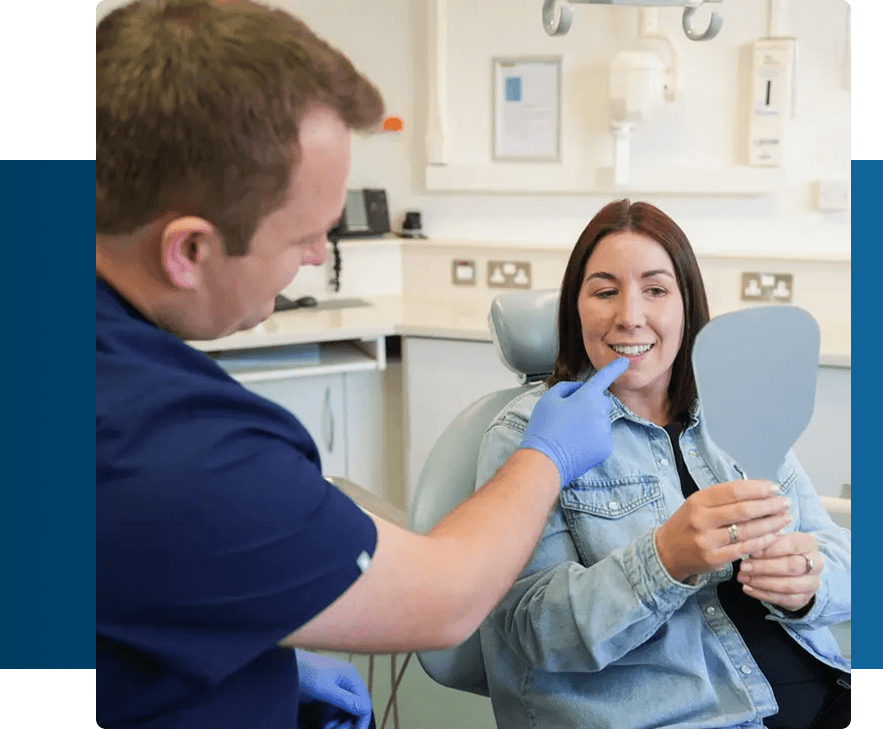
Brush twice a day for about two minutes using fluoride toothpaste. After brushing, spit out excess toothpaste rather than rinsing straight away, so more fluoride stays on the teeth for longer protection. Angle the bristles toward the gumline and clean inner, outer and chewing surfaces in a consistent order.
Clean between teeth once a day. Floss or interdental brushes remove food, debris and plaque that a standard toothbrush leaves behind between teeth and under the contact points, helping to protect both gums and tooth surfaces. Slide gently, curve around the tooth and avoid snapping floss onto the gum.
Keep pressure gentle. Hard scrubbing does not remove tartar and can irritate gums. Use small movements and take care around the gumline. If using an electric brush, guide the head slowly along the margins and let the bristles do the work rather than moving it like a manual brush.
Dental check-up intervals vary by individual risk rather than a universal six-month schedule. Your dental professional will suggest a review pattern based on your gum health, deposits, tooth decay risk and how well your home care is working for you. Intervals can change if your risk changes.
Lifestyle habits influence outcomes. Not smoking supports gum health, while limiting sugar in food and drinks helps to reduce the risk of tooth decay. Good daily oral care and these habits work together with any professional cleaning you receive, so you get benefits both at the clinic and at home.
Bring focused questions: Which areas tend to trap plaque or tartar in my mouth? What signs should I watch for between visits, and how soon should I report them? Which tools and techniques are most suitable for me, and in what sequence should I use them?
Practical Prevention
Dental Hygiene
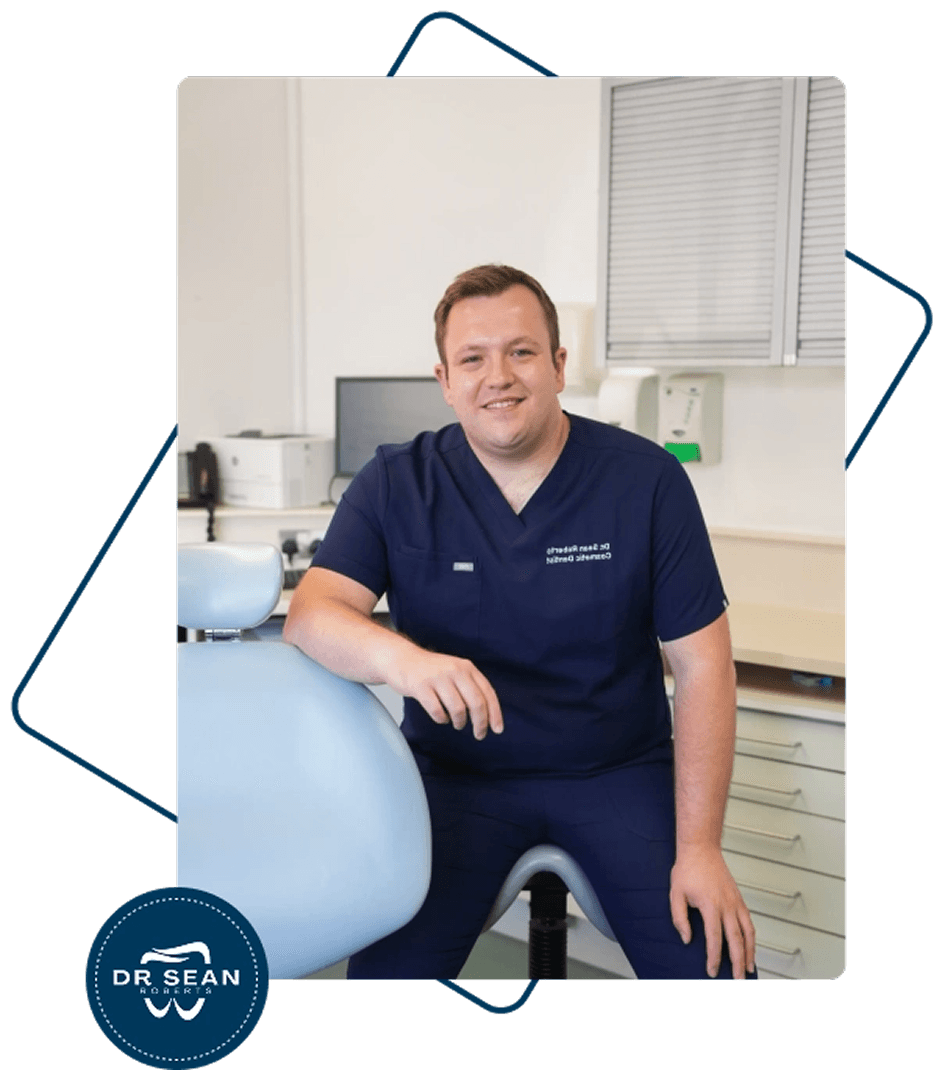
BDS Manchester, 2018
Spaces differ. Tight contacts often suit floss, while slightly wider gaps can benefit from small interdental brushes. A dental professional can recommend sizes and methods that match each area, helping you clean effectively without over-scrubbing or irritating the gums. A snug fit cleans best; too small misses plaque, too large can feel sore.
At your assessment, Dr Sean Roberts can consider where deposits recur, which sizes reach comfortably, and whether a mix of tools is practical. Around existing fillings or crowns, you may need to angle the aid gently so the bristles or floss contact the side surfaces without catching or fraying.
Describe any snagging, bleeding or areas that feel rough shortly after cleaning. If interdental brushes splay quickly, the size may be too large. Ask which spaces need brushes, which need floss, and whether cleaning between teeth before brushing helps toothpaste reach those surfaces more effectively.
How To Reach Us
How To Reach Us
Friars Dental Clinic is on Park Avenue, Aberystwyth, SY23 1PB. Plan your route from Plwmp with your preferred maps app and check live traffic before setting off so you arrive in good time.
Check current bus services from Plwmp and your nearest boarding stop. Allow time for any connection into central Aberystwyth, then plan the onward leg to Park Avenue for the clinic.
If rail suits your plans, check services to Aberystwyth station and then arrange your onward journey to Park Avenue. Confirm times in advance to coordinate connections smoothly.
Booking And Next Steps

Next Steps
To enquire about a hygiene assessment and professional cleaning at Friars Dental Clinic, call 01970 623 369 or email hello@drsean.dentist. Share what prompted your enquiry, such as visible deposits, bleeding, rough areas or tools you currently use.
If you feel nervous about dental treatment, please mention this when booking so your concerns can be discussed. It helps to know your priorities, any previous experiences and what would make the visit feel more comfortable for you.
At your first visit, a dental professional will assess your gums and any deposits before recommending an appropriate clean and personalised home-care guidance. Not everyone needs the same procedure or review interval; advice is based on individual findings and risk.
FAQ's
Frequently Asked Questions
Yes. Tartar forms when soft plaque hardens and sticks to teeth. Toothbrush bristles cannot remove it effectively. A professional assessment can confirm where it is present and whether a tailored clean is advisable.
If you feel a rough rim near the gums, see a recurring band behind the lower front teeth, or notice bleeding, ask at your next assessment. A dental professional can advise on removal and prevention.
Use the tool that fits the space. Floss suits tight contacts; interdental brushes work for slightly wider gaps. A dental professional can recommend the most suitable options and sizes for your mouth.
No. Brushing harder does not remove tartar and can irritate gums. Brush twice daily with fluoride toothpaste for about two minutes, then spit, do not rinse. Ask about a professional clean for hardened deposits.
Use your preferred maps app to the SY23 1PB address, check current bus or rail options into Aberystwyth if needed, and allow time for any onward connection to Park Avenue.

Call The Practice
01970 623 369
Email Me
hello@drsean.dentist
Address
Friars Dental Clinic Park Avenue, Aberystwyth, SY23 1PB
All rights reserved © Dr Sean Roberts 2026
website designed and maintained by dentopia marketing
We use cookies to improve your browsing experience. You can accept all, reject all, or manage your preferences. See our Privacy Policy for more details.