By Car
Set destination to Friars Dental Clinic, Park Avenue, Aberystwyth SY23 1PB for turn by turn directions. Check live traffic before you leave and allow time to find the entrance on Park Avenue.

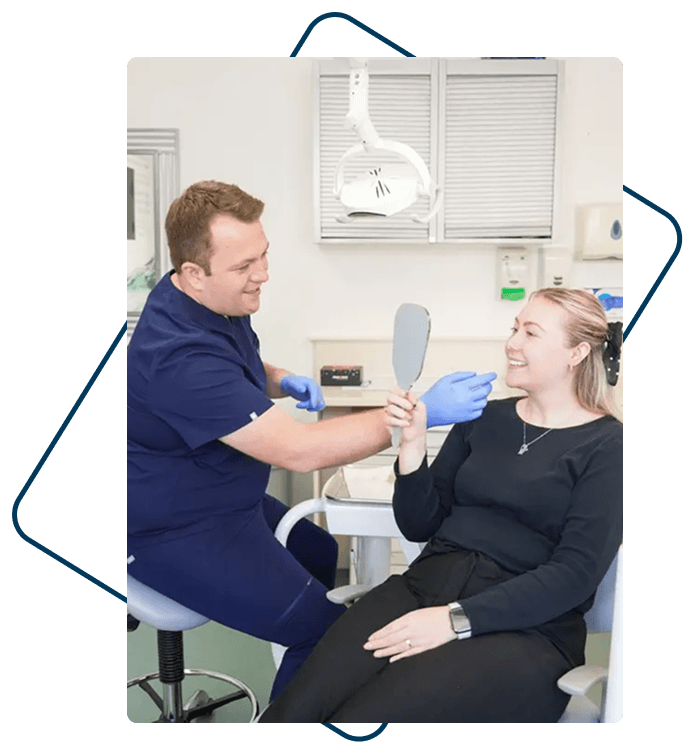
Preventive Dental Care

Dental Hygiene
Travelling from Pennant to Aberystwyth for dental hygiene can help you address bleeding gums, plaque and tartar. Here is clear, practical guidance on when to seek an assessment and what to expect. Noticing pink in the sink when you brush or floss can be worrying. Occasional bleeding is a sign your gums need attention, not a reason to stop cleaning. A dental assessment helps understand what is happening around each tooth and how best to respond. If it keeps happening over several days, make a note.
If you feel tenderness, swelling or persistent bleeding at the gumline, a professional opinion in Aberystwyth can check for plaque and tartar deposits and discuss your daily routine. An assessment weighs up your symptoms, medical history and any areas that are hard to keep clean at home.
Before you travel, jot down when bleeding occurs, which teeth are affected and any triggers such as brushing, flossing or eating. If you feel nervous about dental care, let the team know when you book so your concerns can be discussed in advance.
Plaque is a soft film of bacteria that constantly forms on teeth and around the gumline. If not effectively removed, it contributes to gum disease and tooth decay. Plaque tends to gather fastest where brushing angles miss the gumline or between crowded teeth. In some places it hardens into tartar, which cannot be brushed off at home and may irritate the gums further.
Professional cleaning aims to remove built-up plaque and tartar to support gum health and reduce the bacterial load where brushing alone has struggled. This is part of the hygiene services available within general dentistry and can complement improvements to your home care.
You may hear the term scale and polish, which describes professional removal of plaque and tartar followed by smoothing of tooth surfaces. However, the exact cleaning needed varies from person to person and is decided after a clinical assessment rather than assumed for every visit.
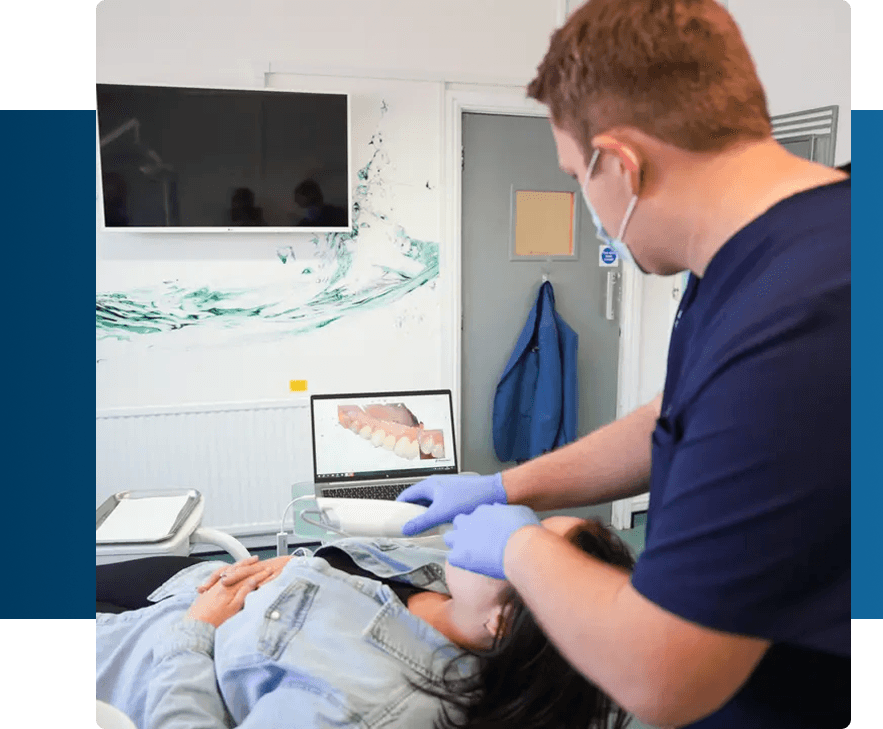
Gum disease can show as red, swollen, sore or bleeding gums. If you notice these changes, it is sensible to arrange a dental assessment rather than waiting for them to clear by themselves. Early advice can help you protect your gums and teeth.
If your gums bleed, try not to avoid the area when brushing. Gentle, thorough cleaning is important, but persistent bleeding, puffiness or bad breath should still be checked. A dentist can look for deposits under the gum edge and other local factors that may be aggravating tissues.
Keep in mind that similar symptoms can have different causes. Only a clinical examination can confirm what is happening and whether professional cleaning, home-care adjustments or further investigations are appropriate for your situation. That is why a check is more reliable than self-diagnosing from symptoms alone.
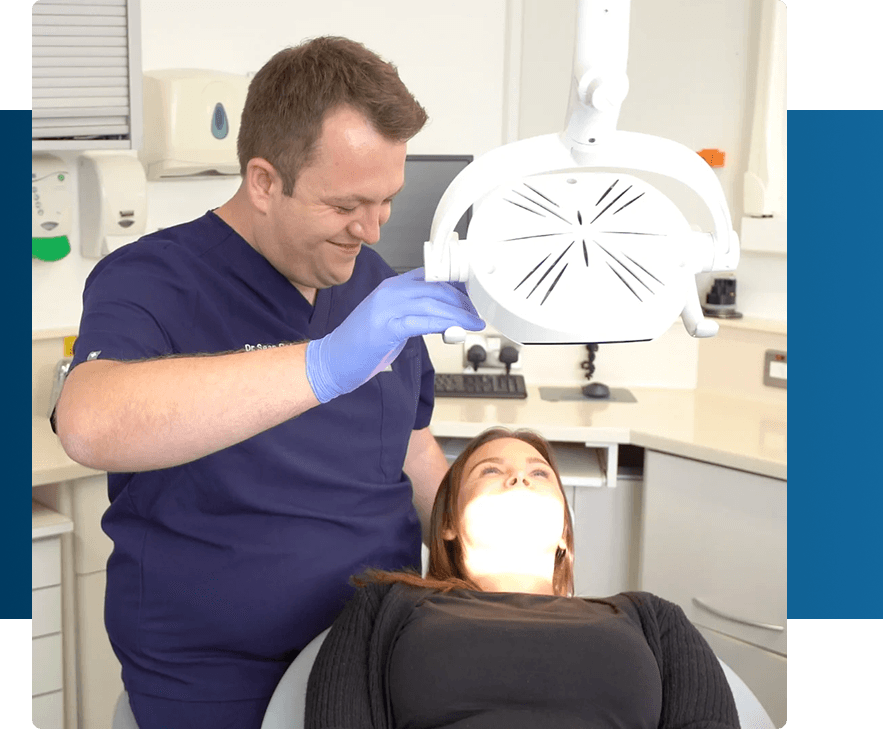
A professional clean focuses on removing plaque and tartar from tooth surfaces, especially around the gumline where deposits can be missed. The approach used depends on what the examination finds, which areas are affected and your individual gum health.
While a clean can be beneficial for suitable cases, it is not a substitute for daily oral care. Professional cleaning works alongside effective home brushing and between-teeth cleaning to help prevent gum disease and tooth decay over time.
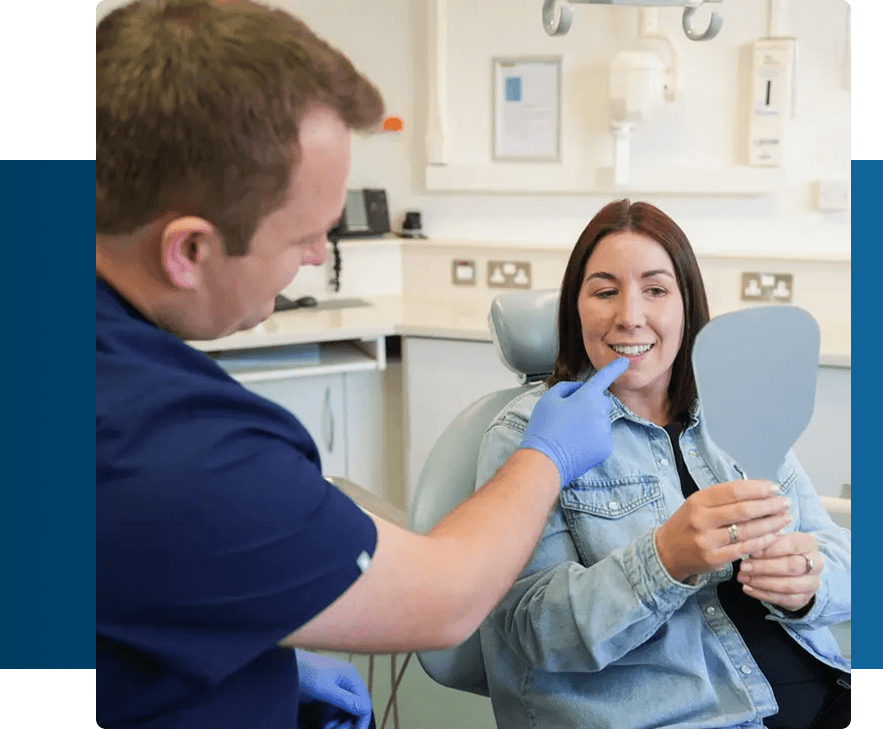
Brushing twice a day for about two minutes with fluoride toothpaste helps control plaque and protect teeth. Use a small amount of paste, position bristles so they reach the gumline with gentle pressure, and aim to cover every surface. Small circular movements or gentle tilting along the gumline can help.
Cleaning between teeth with floss or interdental brushes removes food, debris and plaque that a toothbrush misses. A dental professional can recommend suitable sizes or techniques for your mouth, which may differ for front and back teeth or around existing restorations.
After brushing, spit out excess toothpaste rather than rinsing with water straight away. This leaves more fluoride on your teeth to keep working. If your gums feel tender, slow, gentle movements are more effective and comfortable than vigorous strokes.
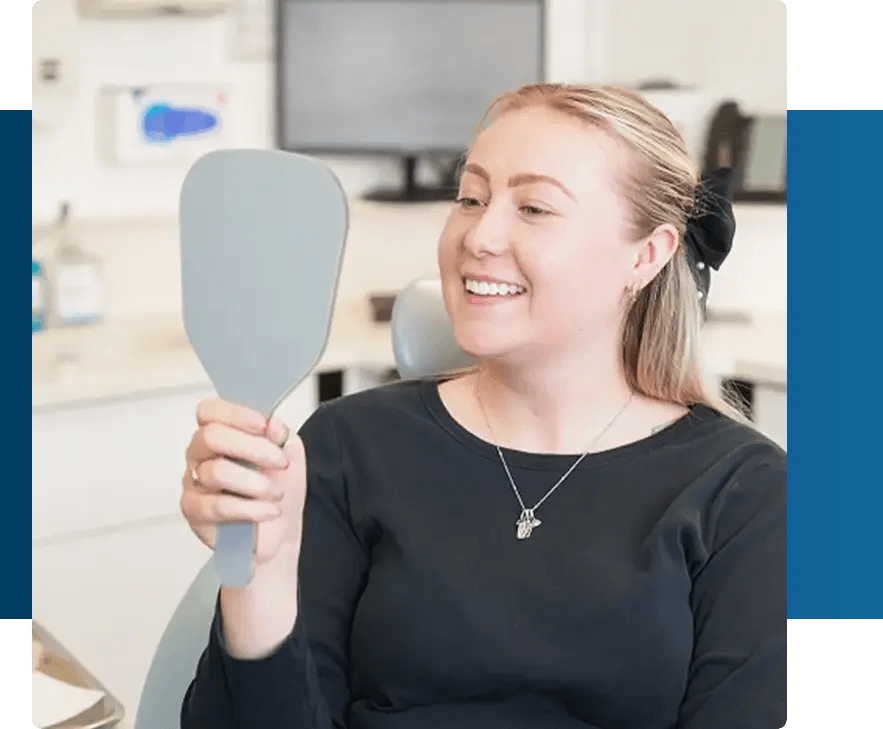
Your check-up and hygiene review interval is based on your individual oral health and risk, not a fixed schedule. After examining your gums, a dentist will advise when to return and what to focus on at home until then. Intervals may range from several months to longer gaps for lower risk; the right timing is individual.
You might find it helpful to ask: which teeth or areas are most at risk, what signs should prompt an earlier visit, and which between-teeth aids or techniques suit the spaces you have. Clear, personalised pointers can make daily care more efficient and comfortable.
Lifestyle matters too. Not smoking and limiting how often you have sugary foods and drinks support oral health. Together with well-informed daily cleaning, these steps help reduce the conditions that allow plaque to build and irritate the gums.
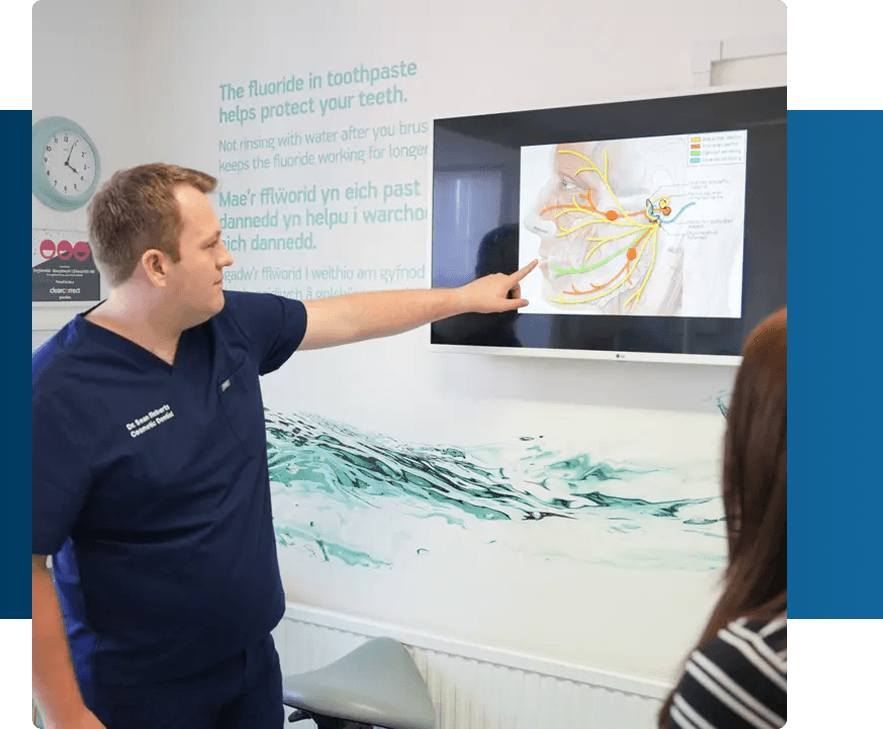
Practical Prevention
Dental Hygiene
BDS Manchester, 2018
Bleeding or swollen gums are a signal to investigate the cause, not just to book a quick polish. Plaque can collect under the gum edge, around crowded teeth or beside overhanging fillings, and these specific sites may need targeted cleaning and tailored home-care advice.
Sometimes the gum response is influenced by factors such as smoking, mouth dryness, certain medications or inconsistent plaque removal in hard-to-reach areas. An examination checks these possibilities and clarifies whether professional cleaning, technique changes or further steps are appropriate.
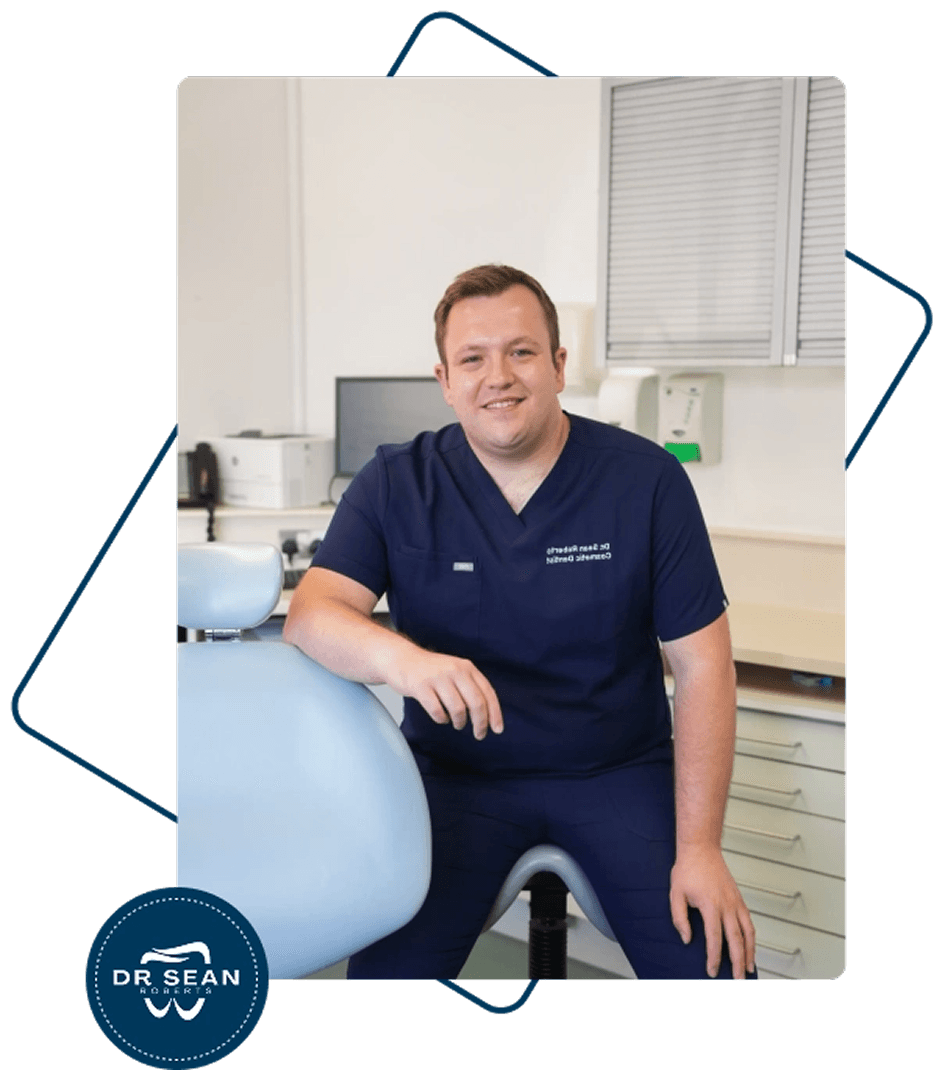
If you prefer background on the clinician before visiting, you can read about Dr Sean Roberts. What matters most is that your assessment explores where the bleeding starts, which areas you struggle to clean and how to keep the gumline undisturbed day to day.
How To Reach Us
How To Reach Us
Set destination to Friars Dental Clinic, Park Avenue, Aberystwyth SY23 1PB for turn by turn directions. Check live traffic before you leave and allow time to find the entrance on Park Avenue.
Check current bus services from Pennant towards Aberystwyth and your nearest boarding stop. Allow time for any onward walk or local connection to Park Avenue once you arrive in town.
If rail is suitable from your origin, plan a journey to Aberystwyth station, then continue to Park Avenue by walking or local transport. Check timetables and connections in advance for the day you travel.
Booking And Next Steps

Next Steps
If you want advice about bleeding gums or a professional clean, please get in touch to discuss your symptoms and the most suitable type of appointment. Sharing where and when bleeding occurs helps the team plan an assessment focused on the right areas.
To enquire or book, call 01970 623 369 or email hello@drsean.dentist. Mention any discomfort, medical conditions or medications, and whether you have areas that are difficult to clean, such as crowded teeth or around existing dental work.
Before your visit, continue gentle brushing with fluoride toothpaste and clean between your teeth as comfortable. Bring a note of questions you would like answered, such as which interdental sizes to use, signs to watch for and when to schedule your next review.
FAQ's
Frequently Asked Questions
Bleeding often reflects plaque at the gumline irritating tissues. Keep brushing gently, clean between teeth, and arrange a dental assessment to identify deposits and check technique. Spit out excess toothpaste rather than rinsing to keep fluoride working.
If bleeding persists for more than a few days, is accompanied by swelling, soreness or bad breath, or you notice recession, book an examination. An assessment clarifies the cause and whether professional cleaning or other steps are appropriate.
Note when bleeding happens, which teeth are affected, any tenderness, food trapping, bad taste or sensitivity, and whether symptoms improve between brushes. Mention medications, smoking and any recent dental work. Bringing these details supports a focused examination.
Use a soft manual or powered brush with fluoride toothpaste for two minutes, twice daily. Clean between teeth with floss or interdental brushes sized for your spaces. Move slowly with light pressure, then spit without rinsing to leave fluoride on teeth.
Set your sat nav to Friars Dental Clinic, Park Avenue, Aberystwyth SY23 1PB if driving. If using public transport, check current bus or rail options to Aberystwyth and allow time for the short onward journey to Park Avenue.

Call The Practice
01970 623 369
Email Me
hello@drsean.dentist
Address
Friars Dental Clinic Park Avenue, Aberystwyth, SY23 1PB
All rights reserved © Dr Sean Roberts 2026
website designed and maintained by dentopia marketing
We use cookies to improve your browsing experience. You can accept all, reject all, or manage your preferences. See our Privacy Policy for more details.