By Car
Plan your route from Llanrhystud to Friars Dental Clinic, Park Avenue, Aberystwyth, SY23 1PB. Check live traffic and navigation before setting off, and allow time to find the entrance on Park Avenue when you arrive in central Aberystwyth.

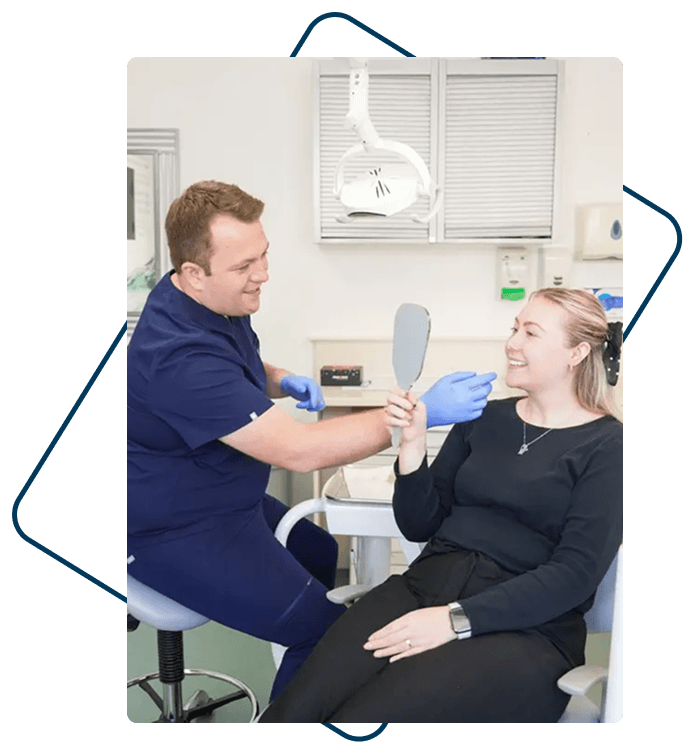
Preventive Dental Care

Dental Hygiene
Practical dental hygiene guidance and professional cleaning support for people travelling from Llanrhystud to our Aberystwyth clinic, focused on gum health, plaque control and everyday habits that work for you. Healthy gums come from a reliable mix of good daily cleaning at home and, when needed, carefully targeted professional cleaning. If you are unsure where plaque is lingering or why your gums bleed, a dental assessment can clarify the cause and help you focus your efforts.
Prevention is the aim. Professional cleaning removes stubborn deposits that brushing cannot reach well, which supports your home routine in reducing the risks of gum disease and tooth decay. It does not replace everyday care. Instead, it gives you a better surface and a clearer plan for day-to-day cleaning.
Before you visit, it helps to note specific concerns such as bleeding after brushing, areas that always trap food, or teeth that feel rough. Bring your usual brush or interdental tools to discuss. Small adjustments to technique, plus professional removal of buildup, can make your routine more effective.
Plaque is a thin film of bacteria that constantly forms on teeth. Left in place, it can irritate the gums and also contribute to tooth decay. Daily brushing controls plaque, but it quickly reforms, which is why a consistent routine is so important between professional visits.
When plaque hardens into tartar, it sticks to teeth and cannot be removed by brushing alone. A dental professional can remove these deposits to support gum health and reduce the risk of problems. This is sometimes called a scale and polish, but the approach varies by individual needs.
A clean is especially relevant if you can see hard deposits, your gums bleed regularly, or tight spaces and existing fillings trap plaque. If you are unsure, asking about hygiene services is a straightforward way to find out what level of cleaning and guidance would be suitable for your mouth.
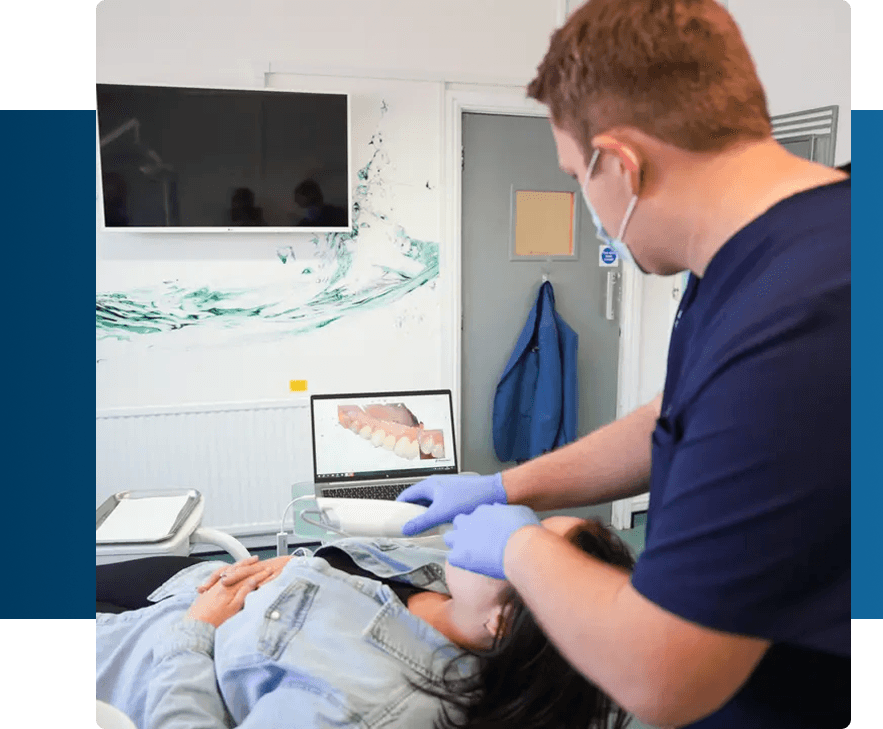
If your gums are red, swollen, sore or bleed when you brush, that can be a sign of gum disease. Symptoms may be mild at first, so it can be tempting to ignore them. Booking an assessment helps confirm what is happening and what level of care is appropriate.
Gum symptoms alone do not tell you how advanced a problem is. An examination can show whether irritation is limited to the gum edges or whether deeper cleaning may be advisable. Early, well-informed advice tends to make home care easier and can help prevent problems from worsening.
If you feel anxious about dental treatment, tell the team when you book so your concerns can be discussed. Sharing what worries you, and what has gone well in the past, helps plan an approach that explains each step clearly and keeps the focus on prevention and comfort.
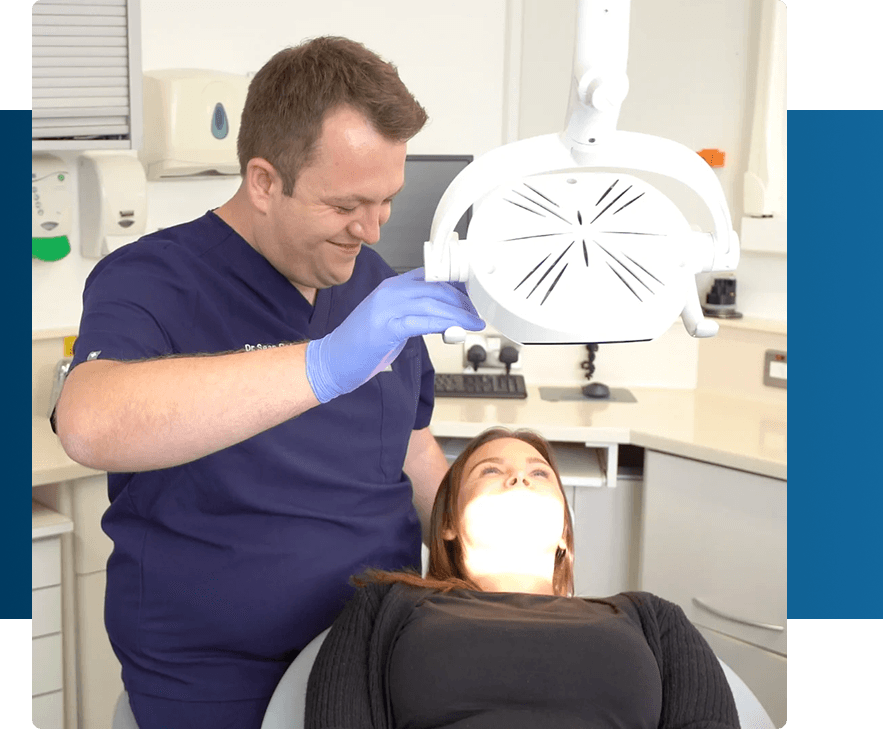
A professional clean focuses on removing plaque and tartar from tooth surfaces, particularly around the gumline where everyday brushing may miss. The aim is to make it easier to keep teeth clean at home and to reduce the risk of gum problems and tooth decay over time.
No two mouths are the same, so the cleaning approach varies. After assessing your gums and deposits, a dental professional will remove relevant buildup and may highlight areas that need extra attention at home. Guidance on tools and technique can be offered where appropriate to match your specific spaces and sensitivities.
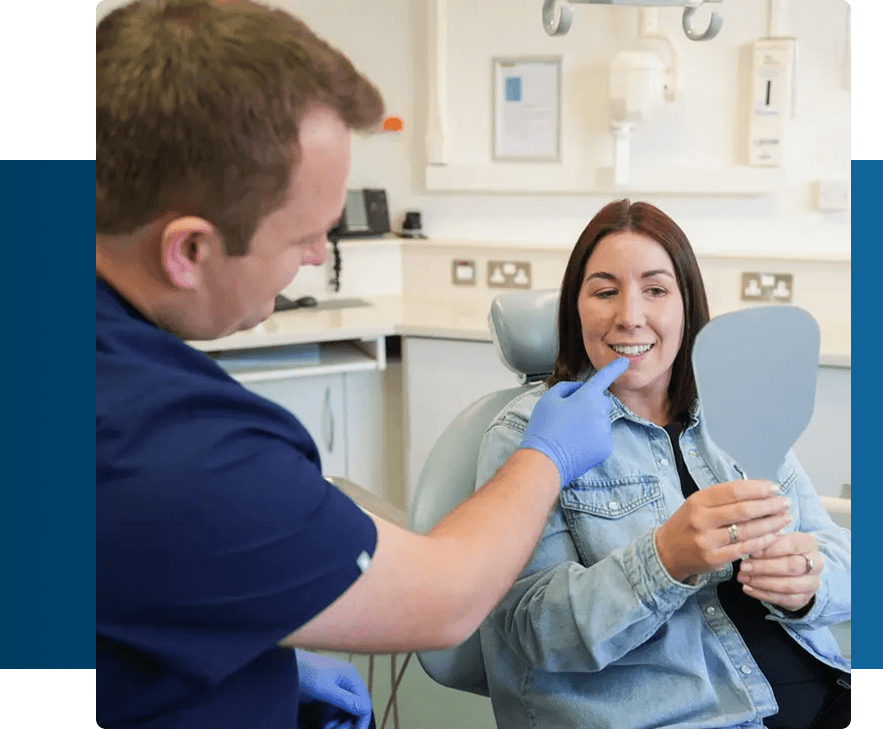
Brush twice daily for about two minutes with fluoride toothpaste. Angle the bristles gently along the gumline and move in small strokes so you clean the edges where plaque starts. Fluoride in the paste helps protect teeth, so aim for thorough coverage rather than scrubbing hard.
Clean between teeth once a day using floss or interdental brushes to remove debris and plaque where a toothbrush cannot reach. Which option works best depends on space between your teeth. A dental professional can recommend sizes or techniques that suit your mouth and restorations.
After brushing, spit out excess toothpaste rather than rinsing straight away. Rinsing washes away fluoride and reduces its protective effect. Replacing worn brush heads and keeping a simple routine at consistent times makes it easier to build a habit that actually sticks.
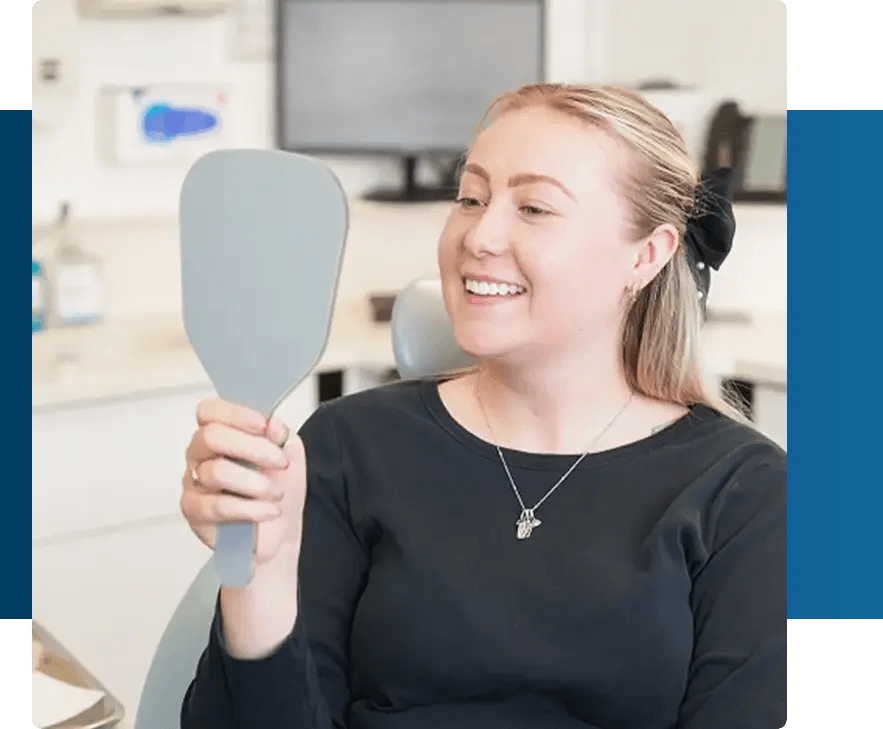
Check-up intervals are not one-size-fits-all. The timing of reviews is based on your individual oral health and risk. Your dentist can advise when to return, taking into account gum status, plaque control and any areas that need closer monitoring.
Everyday choices also influence oral health. Not smoking supports gum health, while limiting how often you have sugary foods and drinks helps protect teeth from decay. These habits, combined with effective cleaning, reduce the conditions that allow plaque to thrive.
Bring questions that matter to you. Examples include which interdental sizes are right, how to reach a particular back tooth, or what to do if gums bleed. If you have concerns about treatment, mention them when booking so the team can note and address them during your visit.
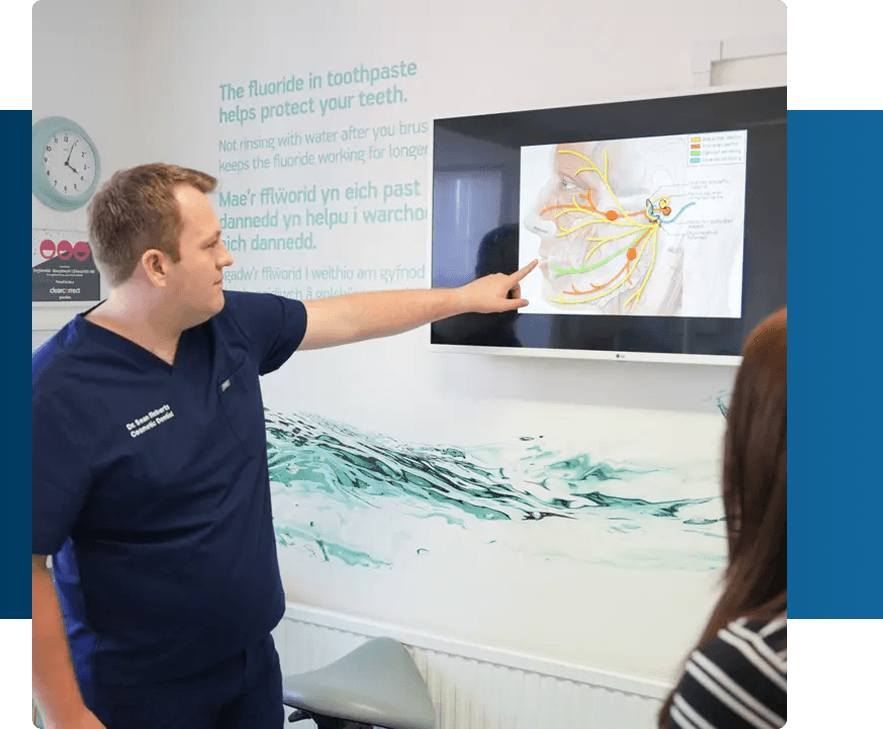
Practical Prevention
Dental Hygiene
BDS Manchester, 2018
Start with a routine you can keep. Brushing after waking and again before bed creates two predictable touchpoints. Use a timer or an electric brush with a two-minute signal to avoid rushing, and keep a brush and paste visible so starting is effortless.
Interdental cleaning is easier when it is small and repeatable. Begin with the contacts you can reach comfortably, then add more sites over a week or two. Keep a few interdental brushes in your washbag or by your toothbrush so you have the right sizes to hand.
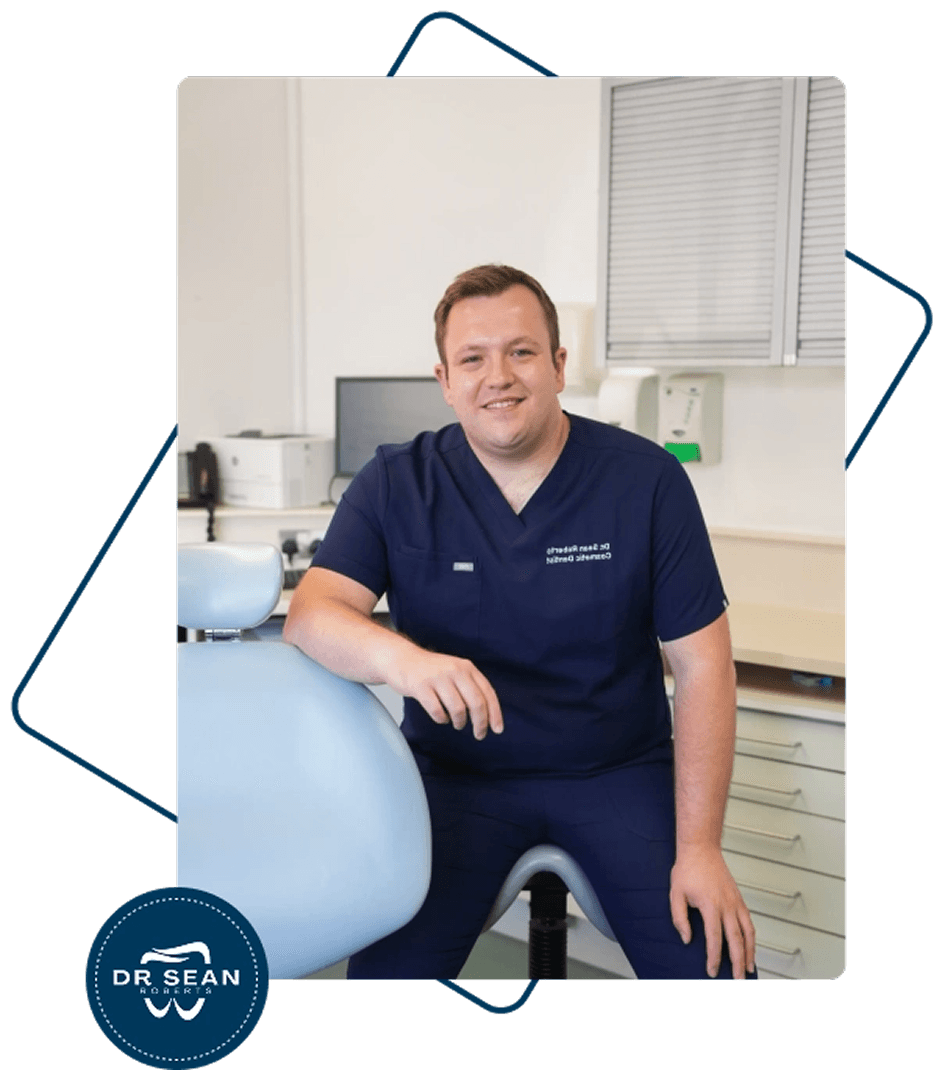
Think about triggers. If sugary snacks are part of your day, try keeping them to mealtimes to reduce how often teeth are exposed. If you are stopping smoking, your gums may feel different as they recover, which is a good time to recheck technique. For well-informed guidance tailored to your mouth, Dr Sean Roberts can discuss practical options during your visit.
How To Reach Us
How To Reach Us
Plan your route from Llanrhystud to Friars Dental Clinic, Park Avenue, Aberystwyth, SY23 1PB. Check live traffic and navigation before setting off, and allow time to find the entrance on Park Avenue when you arrive in central Aberystwyth.
Check current bus services from Llanrhystud towards Aberystwyth and confirm your boarding stop and timetable. Allow time for any onward walk or local bus within Aberystwyth to reach Park Avenue and the clinic address.
If rail suits your journey, travel into Aberystwyth and continue to Park Avenue by local transport or on foot as preferred. Check current train timetables and connection times, then plan your last-stage route to the clinic.
Booking And Next Steps

Next Steps
If you would like advice on gum health or professional cleaning, contact Friars Dental Clinic to arrange an assessment. Mention any bleeding, sore spots, or areas that collect plaque. Clear notes help focus the assessment on what matters to you.
You can call 01970 623 369 or email hello@drsean.dentist to enquire about availability. When booking, include any relevant medical history, medications, or dental appliances, as well as the brushing or interdental tools you currently use.
At your initial visit, a dental professional will assess your gums and any deposits. You will then discuss a plan that may include professional cleaning and specific home-care guidance. The goal is practical prevention that supports long-term gum health and makes your daily routine easier.
FAQ's
Frequently Asked Questions
Brush morning and night for about two minutes with a pea-sized amount of fluoride toothpaste. Angle bristles toward the gumline, clean all surfaces, then spit out excess paste rather than rinsing to keep protective fluoride on teeth.
Either can work. Interdental brushes are often best where there is space, while floss can help in tight contacts. A dental professional can recommend sizes or techniques that suit your mouth and any fillings or crowns.
If you can see or feel hard deposits, if gums bleed despite careful brushing, or if rough edges trap plaque, home care alone may struggle. Professional removal of tartar supports gum health and helps your daily routine work better.
Bleeding, redness, swelling or soreness can indicate gum disease. Book an assessment so the cause can be confirmed and a plan agreed. Professional cleaning plus effective daily care usually improves bleeding over time.
Driving to Park Avenue, Aberystwyth, SY23 1PB is straightforward if you plan your route in advance. Alternatively, check bus services toward Aberystwyth and allow for an onward local connection. Rail may suit if travelling from elsewhere.

Call The Practice
01970 623 369
Email Me
hello@drsean.dentist
Address
Friars Dental Clinic Park Avenue, Aberystwyth, SY23 1PB
All rights reserved © Dr Sean Roberts 2026
website designed and maintained by dentopia marketing
We use cookies to improve your browsing experience. You can accept all, reject all, or manage your preferences. See our Privacy Policy for more details.