By Car
Friars Dental Clinic is at Park Avenue, Aberystwyth, SY23 1PB. If you are travelling from Llanon, check your preferred route in advance and allow time for traffic and local parking arrangements near Park Avenue.

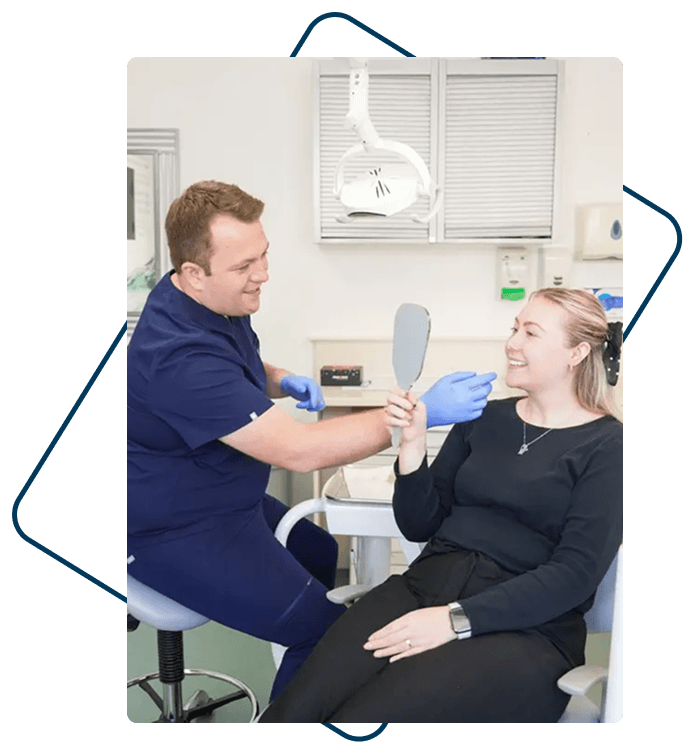
Preventive Dental Care

Dental Hygiene
Looking for dental hygiene from Llanon? Visit our Aberystwyth clinic for professional cleaning advice and care to help manage plaque and tartar and support healthier gums. A rough patch behind your lower front teeth, a fuzzy film that returns soon after brushing, or gums that bleed when cleaning between teeth can raise understandable questions. An individual dental assessment helps identify what is happening and which actions will best support your mouth.
Professional cleaning aims to reduce bacterial deposits and make everyday brushing more effective. It works alongside your home routine to help prevent gum disease and tooth decay, not instead of it. If something repeatedly catches on your tongue or feels gritty at the gumline, noting where it is can be very useful at your visit.
Every mouth is different, so recommendations are tailored. If you feel nervous about dental treatment, please mention this when booking so any concerns can be discussed in advance. Bringing the toothbrush or interdental tools you already use can also help guide practical, personalised advice.
Plaque is a soft, sticky film of bacteria that forms continuously on teeth. Left undisturbed, it contributes to both gum disease and tooth decay. Twice-daily brushing with fluoride toothpaste helps to control plaque, but if plaque hardens into tartar, ordinary brushing will not shift it effectively.
Tartar (also called calculus) forms when minerals in saliva harden plaque on the teeth. Toothbrush bristles cannot remove this hardened layer. hygiene services include professional cleaning to remove plaque and tartar where appropriate, which supports the prevention of gum disease and tooth decay. A scale and polish is one recognised method of professional removal, but it is not what everyone automatically receives.
If you are unsure what you are seeing or feeling, try describing it by location and texture. For example, a chalky ledge behind the bottom front teeth, a dark line at the gum of an upper molar, or deposits that quickly return in the same spot. Ask whether this is plaque or hardened tartar and which teeth need extra focus.
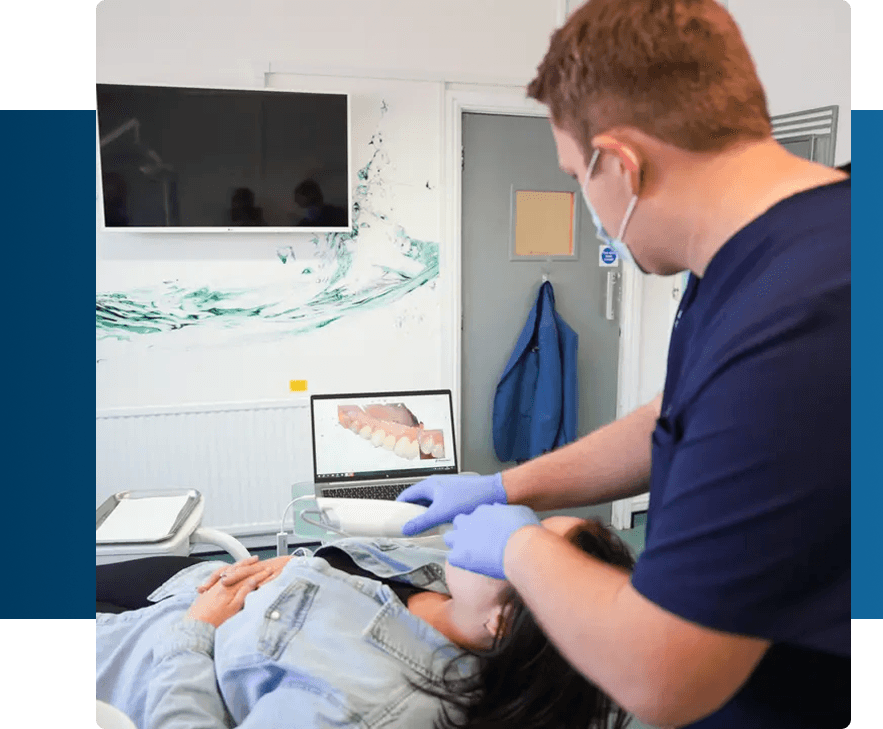
Red, swollen, sore or bleeding gums are signs that deserve attention. If you notice these symptoms, it is sensible to book an assessment rather than waiting for them to go away. Bleeding when brushing is often a sign of inflammation, not a reason to scrub harder or to stop cleaning altogether.
It is possible to have visible tartar with little pain, and equally to have gum inflammation even if deposits are not obvious in a mirror. An assessment looks at gum health and plaque levels, then discusses appropriate care. Professional cleaning can support gum health, but everyday plaque control remains essential.
If you have existing fillings, crowns or a bridge, plaque can gather at the margins and underneath spans that are harder to reach. Ask how best to clean around these areas without damaging your dental work, and which tools or techniques will be safest and most effective for you.
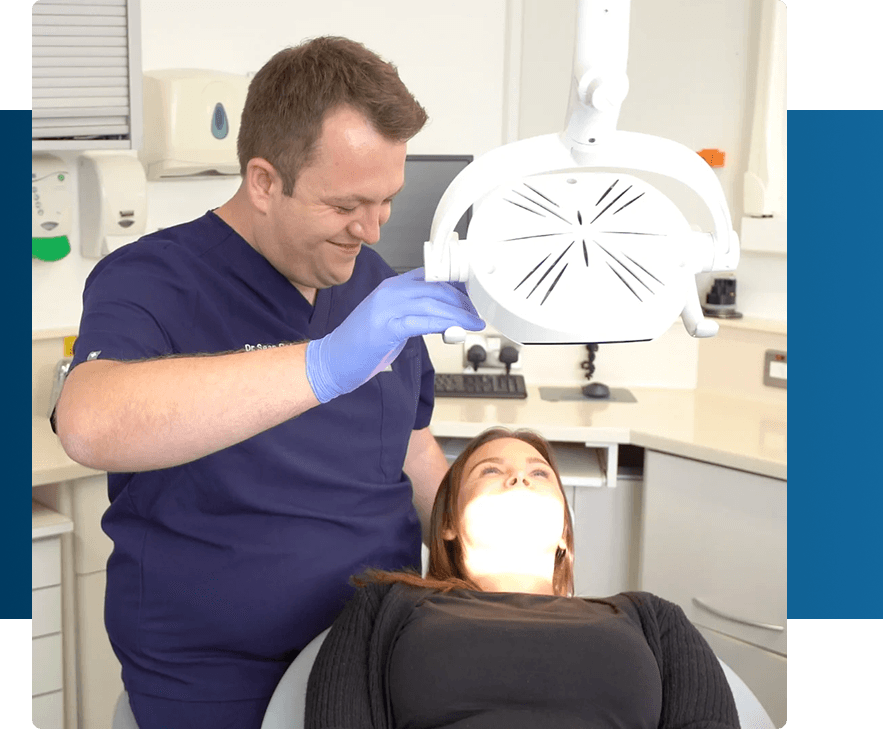
At Friars Dental Clinic, a dental professional can carry out a targeted clean that removes soft deposits and, where appropriate, hardened tartar from tooth surfaces. The approach is chosen after examining your mouth, so it reflects your needs rather than a one-size-fits-all protocol or an automatic scale and polish for every patient.
The aim is to reduce bacteria, smooth areas where plaque tends to stick, and make daily brushing between visits more efficient. Professional cleaning supports, but does not replace, good home care. It is about gum health and prevention rather than cosmetic promises, and any follow-up is based on your individual risk and response.
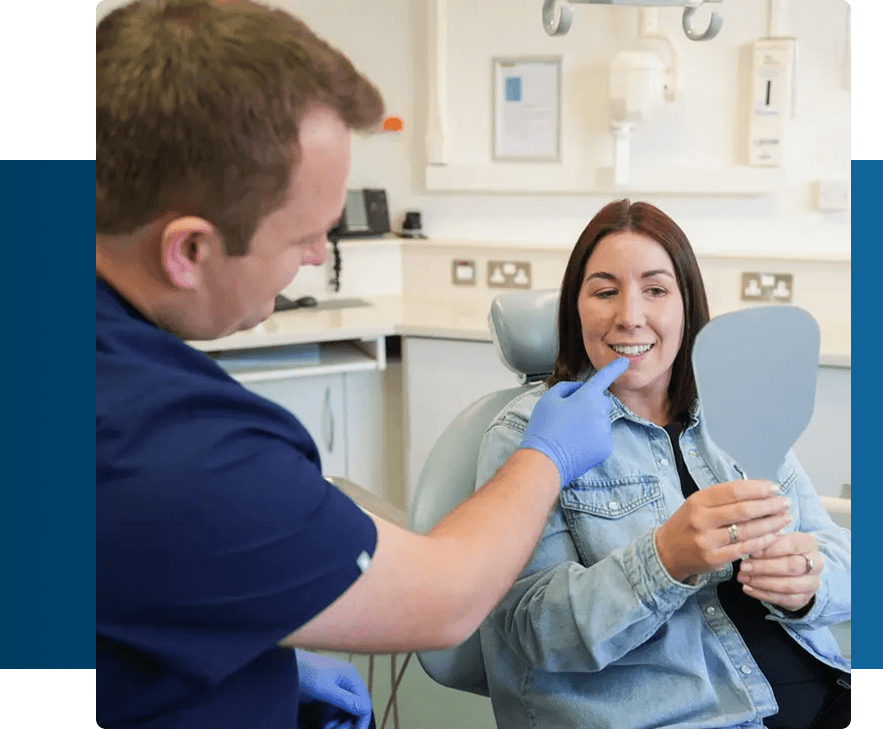
Brushing twice a day for about two minutes with fluoride toothpaste helps control plaque and protect teeth. After brushing, spit out excess toothpaste rather than rinsing straight away so more fluoride stays on your teeth. A small-headed brush, held at the gumline, helps reach the right places.
Cleaning between teeth removes food, debris and plaque from spaces a brush cannot reach well. Floss or interdental brushes both have a role. The right choice often depends on the size of the gap between teeth, which can vary from one space to the next.
Because every mouth is different, a dental professional can recommend suitable ways to clean between your teeth. If you already use floss or small brushes, bring them to your appointment. Seeing what you use helps fine-tune sizes, angles and techniques that suit your specific spaces.
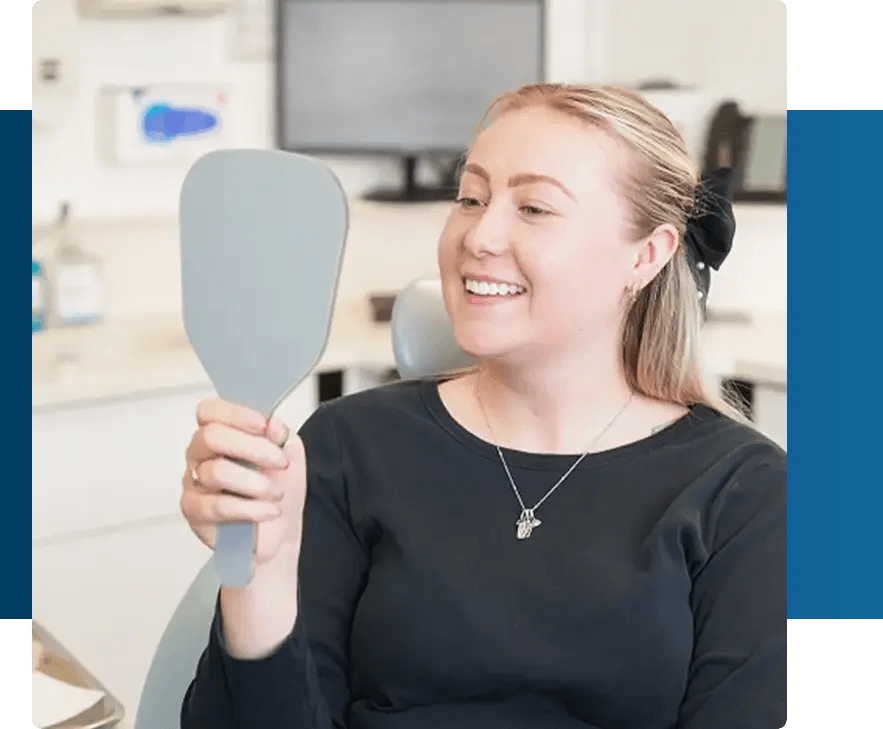
Check-up and hygiene review intervals are based on your oral health and risk, not a universal six-month schedule. Ask which interval suits you right now, what signs should prompt an earlier visit, and how to monitor areas that tend to build deposits quickly.
Day to day, not smoking supports gum health, and limiting sugary food and drink helps reduce the risk of tooth decay. Simple changes, such as fewer between-meal sugar hits, can make brushing and professional cleaning go further for your overall oral health.
Consider asking: which teeth or surfaces accumulate plaque fastest; how to adapt your technique on back molars; which interdental sizes fit different gaps; and whether a fluoride mouthwash used at a separate time to brushing would be useful for your level of risk.
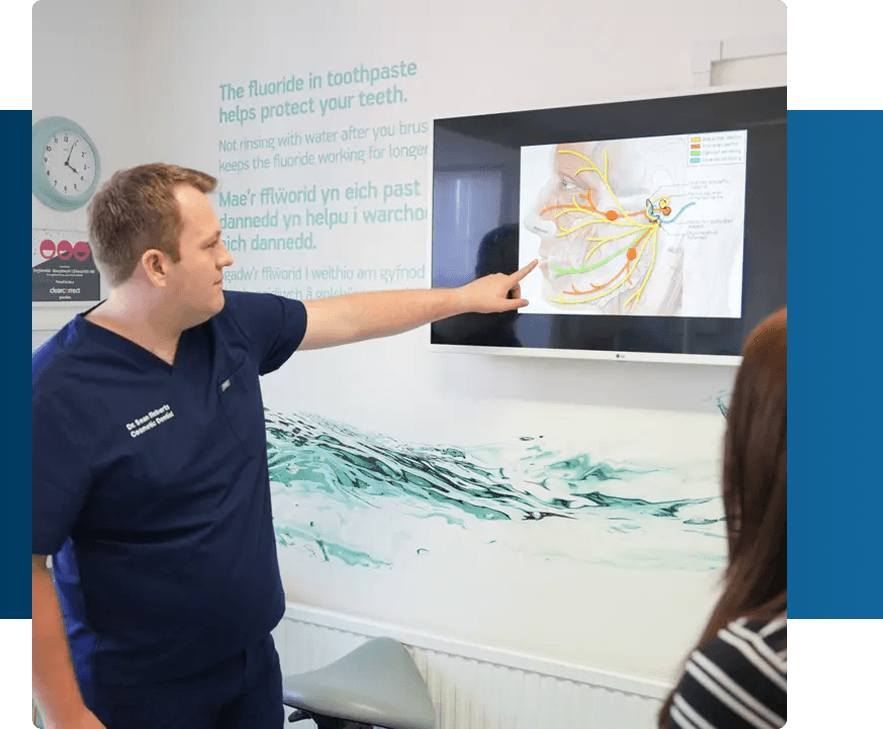
Practical Prevention
Dental Hygiene
BDS Manchester, 2018
Tight contacts between front teeth can favour floss, while slightly open spaces often suit small interdental brushes. A good rule is gentle contact with slight resistance, never forcing a tool. During your assessment, Dr Sean Roberts can advise sizes and techniques that match the shape of your individual gaps.
It is normal to have a mix of spaces. You might use a very slim brush or floss for closely packed incisors, and a medium brush for molars where gums have receded a little. It is reasonable to use more than one tool if your spaces vary, rather than expecting one product to cover every area.
Practical tips help consistency. Keep the handle comfortable and the angle shallow, especially at back teeth. Replace worn interdental brushes promptly so bristles clean rather than bend. If gums bleed at first, continue gentle cleaning for a few days; persistent bleeding is a signal to seek further assessment.
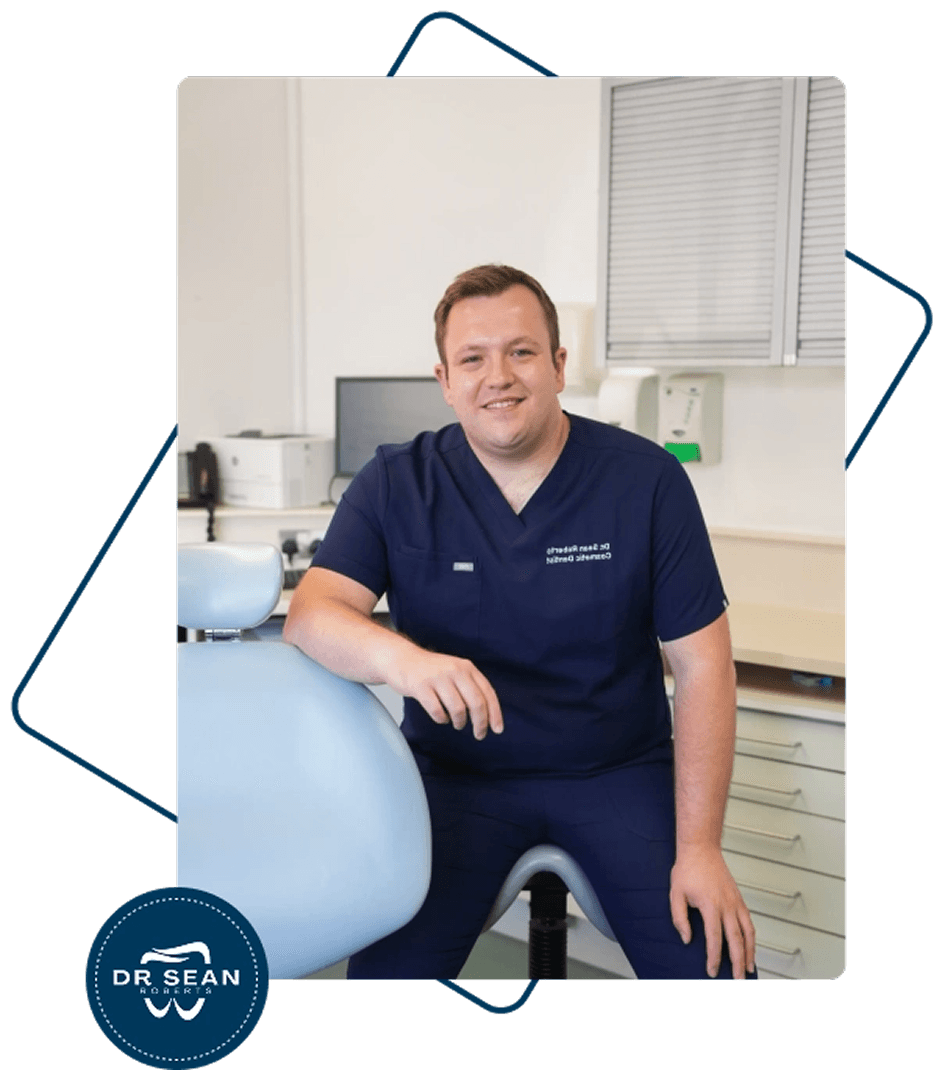
How To Reach Us
How To Reach Us
Friars Dental Clinic is at Park Avenue, Aberystwyth, SY23 1PB. If you are travelling from Llanon, check your preferred route in advance and allow time for traffic and local parking arrangements near Park Avenue.
Bus services change, so confirm current timetables from Llanon to Aberystwyth and your boarding stop in the village. Allow time for any onward walk within Aberystwyth to Park Avenue once you reach the town centre.
Consider whether rail to Aberystwyth works for your journey. If using the train, check connections and plan the final leg from the station to Park Avenue so you arrive in good time for your appointment.
Booking And Next Steps

Next Steps
If you would like to enquire about professional dental hygiene, call 01970 623 369 or email hello@drsean.dentist. Let us know what is worrying you, such as a recurring rough patch, bleeding when cleaning, or an area that is difficult to reach.
To help your assessment, note when problems appear, which teeth are affected, and anything that seems to trigger soreness or bleeding. Mention any medical conditions or medicines relevant to your mouth, and bring the toothbrush or interdental tools you already use.
If you feel anxious about dental treatment, tell us when you book so we can discuss your concerns. Your cleaning plan is based on your individual needs, with the aim of supporting gum health and making your everyday routine as effective and comfortable as possible.
FAQ's
Frequently Asked Questions
Plaque is a soft bacterial film that reforms daily and is controlled by brushing. Tartar is plaque that has mineralised on teeth and cannot be brushed away effectively. Professional removal may be recommended after assessment.
If you feel a persistent rough ledge, notice a dark rim at the gumline, or see deposits that return quickly in the same area, ask about removal at your assessment. Early attention helps support gum health.
Both help remove plaque between teeth. Floss can suit very tight contacts, while interdental brushes often fit slightly larger spaces. A dental professional can recommend sizes and techniques that match your particular gaps and dexterity.
Do not scrub harder. Keep brushing gently with fluoride toothpaste and clean between teeth, because bleeding often signals inflammation. If bleeding persists, book an assessment to check your gums and discuss targeted cleaning.
Plan your journey to Friars Dental Clinic, Park Avenue, Aberystwyth, SY23 1PB. From Llanon, check current bus or road routes and allow time for the final part of your trip within Aberystwyth to reach Park Avenue.

Call The Practice
01970 623 369
Email Me
hello@drsean.dentist
Address
Friars Dental Clinic Park Avenue, Aberystwyth, SY23 1PB
All rights reserved © Dr Sean Roberts 2026
website designed and maintained by dentopia marketing
We use cookies to improve your browsing experience. You can accept all, reject all, or manage your preferences. See our Privacy Policy for more details.