By Car
Set your sat nav to Friars Dental Clinic, Park Avenue, Aberystwyth, SY23 1PB. Check your preferred route before you leave. You can use Google Maps for turn-by-turn directions to Park Avenue, Aberystwyth (SY23 1PB).

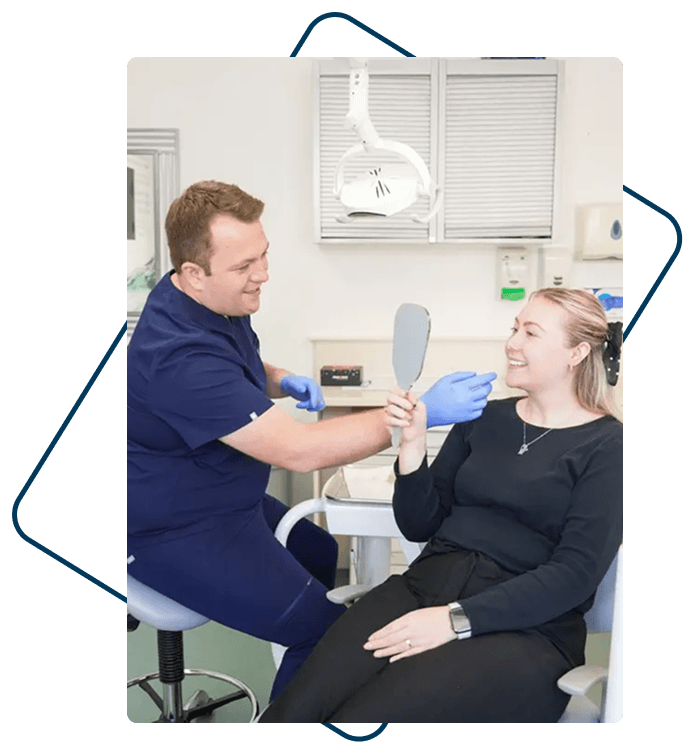
Preventive Dental Care

Dental Hygiene
Practical dental hygiene guidance and professional cleaning for patients from Llanilar, with appointments at Friars Dental Clinic in Aberystwyth to help manage bleeding gums, plaque and tartar. If your gums bleed when you brush or floss, it is a sign to pay attention rather than a reason to avoid cleaning. Gentle daily care and a professional assessment can work together to support gum health without guessing what is causing the soreness.
A professional clean can remove deposits that you cannot shift at home, while an examination can check whether there is inflammation, local irritation around a restoration, or something else that needs targeted advice. Cleaning alone should not be seen as a cure for every gum problem.
All appointments take place at Friars Dental Clinic on Park Avenue in Aberystwyth. If you are travelling from Llanilar, consider noting when the bleeding started and what seems to trigger it, so your visit can focus on the most useful next steps for you.
Plaque is a soft, sticky film of bacteria that forms on teeth throughout the day. Left in place, plaque can irritate the gums and contribute to tooth decay. Hardened plaque, called tartar, locks bacteria against the gumline and is not removable with a toothbrush.
At the clinic, hygiene services involve professional cleaning to remove plaque and tartar. Reducing these deposits supports the prevention of gum disease and also helps reduce the risk of decay that starts where plaque is left undisturbed.
Even careful brushers can miss plaque in consistent spots, such as behind lower front teeth or around tight contacts. Once tartar forms, safe removal requires professional instruments. Clearing these areas makes your daily oral care more effective afterward.
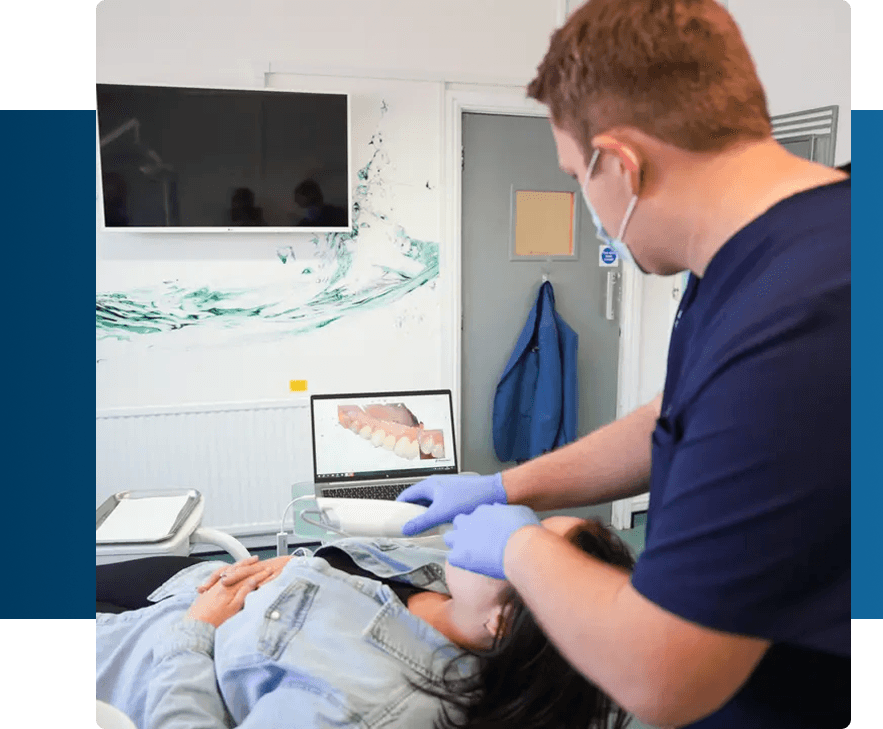
Gums that look red, puffy, sore or that bleed are common signals that deserve a dental assessment. Persistent bleeding when brushing, new tenderness, or swelling between teeth are reasons to seek advice rather than waiting for things to settle on their own.
Symptoms overlap, so it is not possible to diagnose yourself from bleeding alone. An examination can check your gums, look for plaque and tartar, review any restorations that might trap food, and suggest appropriate care based on what is found that day.
If you notice a metallic taste, bad breath that does not shift after brushing, or bleeding that continues for more than a few days, make an appointment. Early attention can help you return to comfortable, confident brushing and protect the tissues that support your teeth.
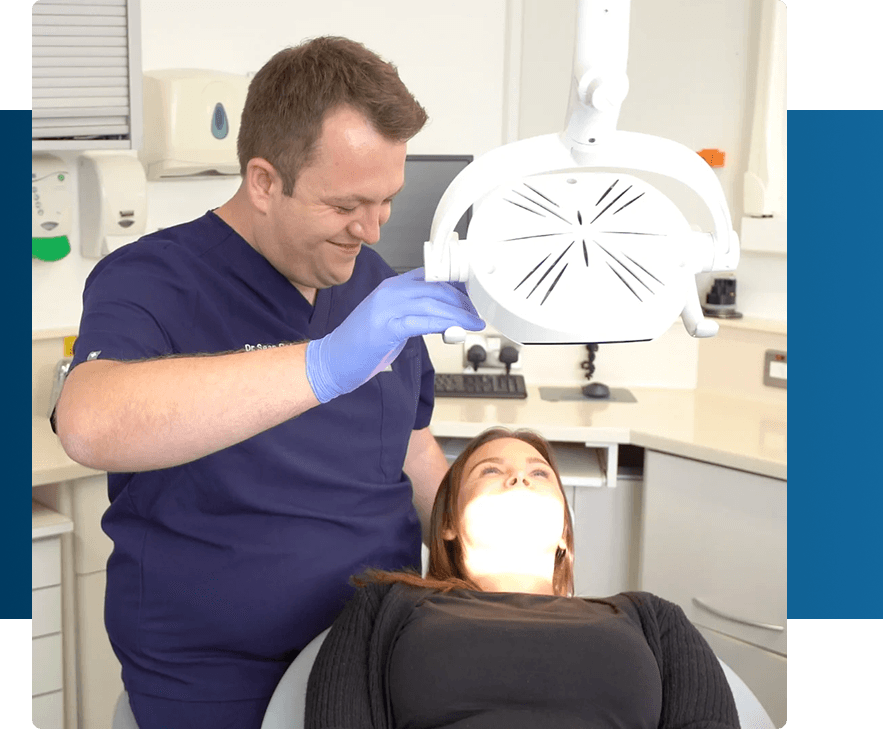
A professional clean removes soft plaque and hardened tartar from tooth surfaces and around the gumline, where deposits are most likely to persist. Clearing these areas helps your gums settle and makes daily brushing and between-teeth cleaning more effective.
A scale and polish is a common approach to remove plaque and tartar, but not everyone needs exactly the same procedure. Your dental professional will recommend cleaning that is appropriate for your mouth on the day, based on what they find at examination.
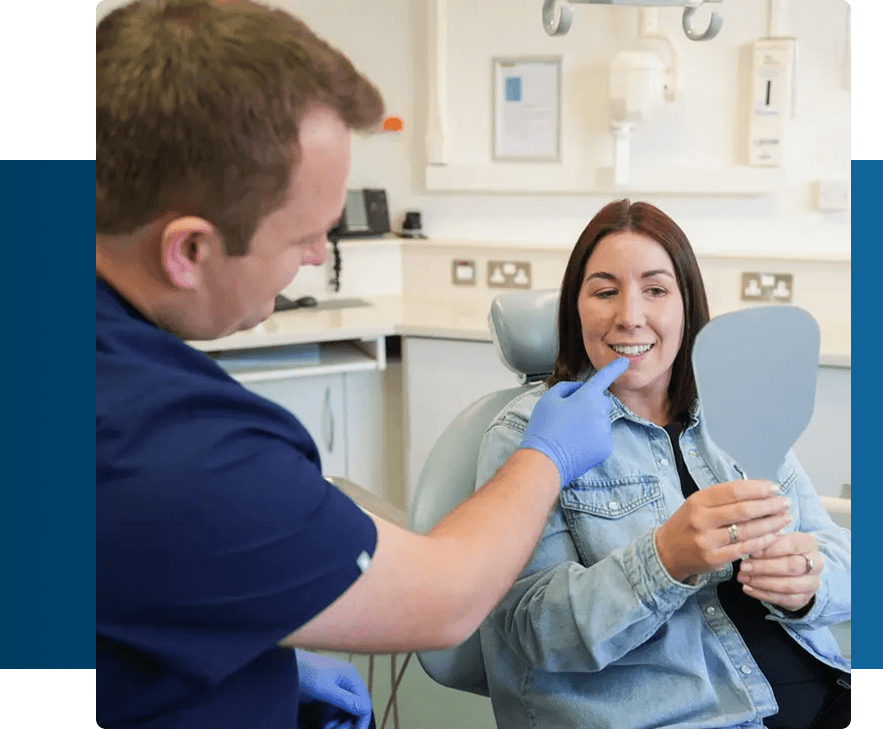
Brush twice a day for about two minutes with fluoride toothpaste. Cover every surface in a methodical pattern so no area is missed. Fluoride in the paste helps protect teeth while you work on the plaque that affects your gums.
Clean between your teeth daily with floss or interdental brushes to remove food, debris and plaque where your toothbrush cannot reach. A dental professional can recommend the most suitable between-teeth aids for your individual spacing and dexterity.
After brushing, spit out the excess toothpaste and avoid rinsing straight away. Keeping a light layer of fluoride on your teeth gives more ongoing protection between brushes.
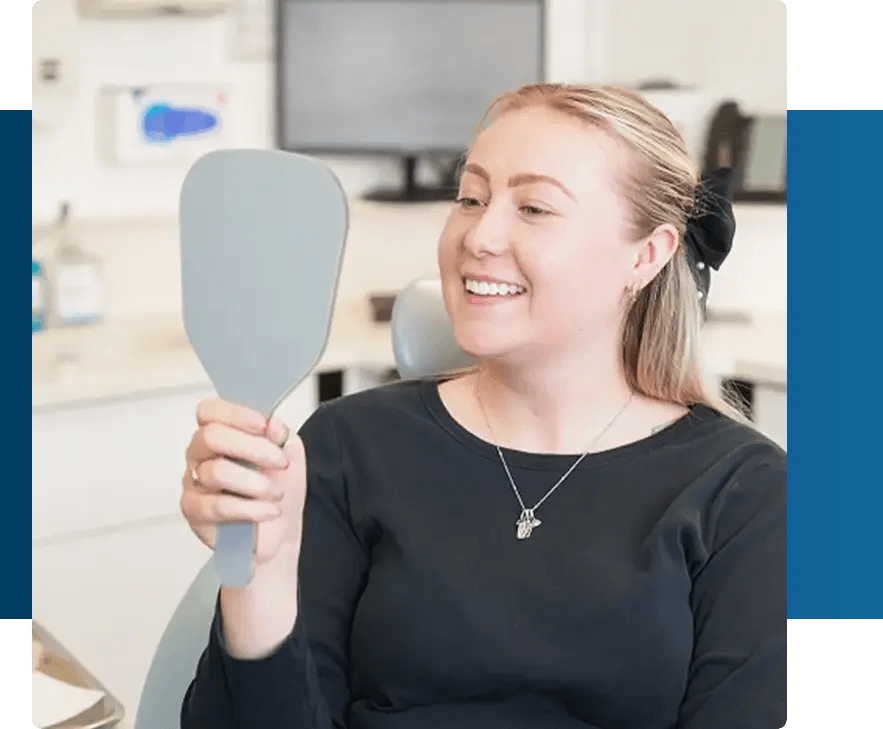
The right interval between check-ups and professional cleaning depends on your individual gum health and risk, not a fixed six-month schedule. Your dentist will discuss an interval that matches how your mouth responds to daily care and any deposits seen.
Lifestyle choices matter. Not smoking supports healthier gums, and keeping sugar intake to mealtimes helps reduce the decay risk that comes with plaque. These steps complement cleaning rather than replace it.
At your appointment, consider asking which sites you are missing, the size of interdental brush that fits safely, and how best to adapt brushing around any crowns or bridges. Practical, specific guidance is more useful than general rules of thumb.
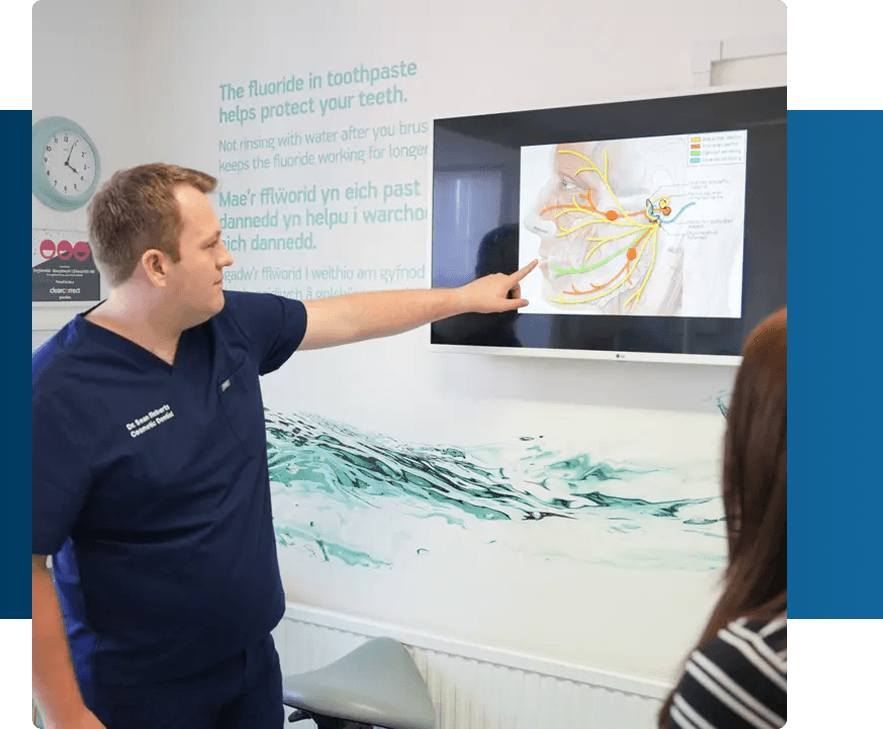
Practical Prevention
Dental Hygiene
BDS Manchester, 2018
Bleeding that persists after a week of careful home care, swelling that returns in the same place, or tenderness that worsens are sensible reasons to book an assessment. A professional can check for local plaque traps, deeper inflammation or other causes that a routine clean alone would not address.
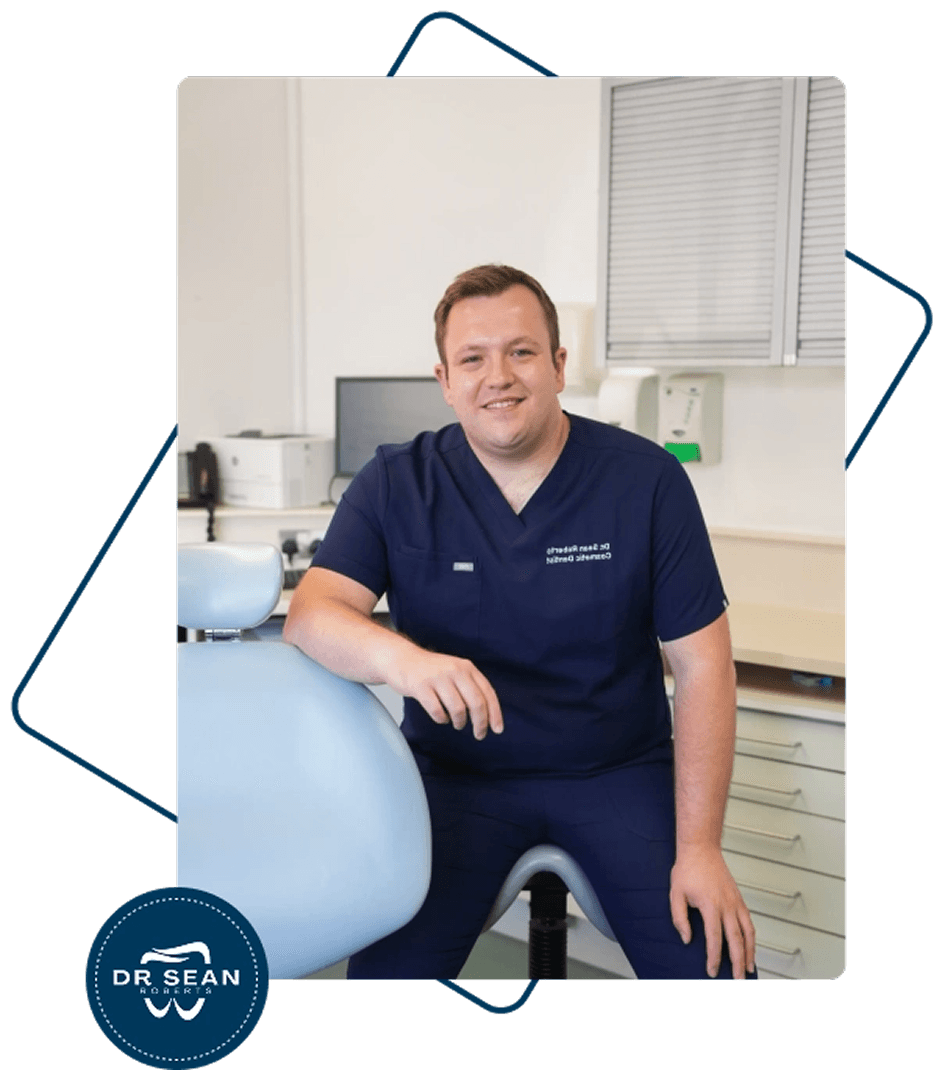
If you are unsure whether to book, keep a brief note of what bleeds, when it happens and what helps or aggravates it. Bringing these details allows the clinician to target advice. If needed, Dr Sean Roberts can review your gum health as part of a well-informed hygiene-focused visit.
It may be appropriate to adjust your daily routine while symptoms are present, but do not avoid cleaning the sore area. Gentle, thorough plaque control gives the best chance for gums to settle while a dental professional advises on next steps.
How To Reach Us
How To Reach Us
Set your sat nav to Friars Dental Clinic, Park Avenue, Aberystwyth, SY23 1PB. Check your preferred route before you leave. You can use Google Maps for turn-by-turn directions to Park Avenue, Aberystwyth (SY23 1PB).
If travelling by bus from Llanilar, check current services to Aberystwyth and confirm your boarding stop and return times. Allow time for the onward journey from the bus drop-off to Park Avenue.
If considering rail, check whether services to Aberystwyth fit your plans on the day and how you will complete the onward segment to Park Avenue. Allow time for any connections and local travel.
Booking And Next Steps

Next Steps
To enquire about a hygiene-focused visit or a gum assessment, please call 01970 623 369 or email hello@drsean.dentist. Let us know you are interested in professional cleaning and mention any current gum symptoms you are experiencing.
If you feel nervous about dental treatment, tell the team when you book so your concerns can be discussed in advance. Sharing what worries you helps the clinician tailor explanations and make your visit feel more manageable.
Before you come, note when bleeding or soreness started, where it occurs, and any changes in your daily routine. Bring a list of medicines you take and any mouthwashes or interdental products you already use, so advice can build on what works for you.
FAQ's
Frequently Asked Questions
Bleeding often follows plaque build-up that irritates the gumline. New flossing can also make inflamed gums bleed at first. If bleeding persists beyond a few days of careful care, book a dental assessment to check the cause.
If bleeding is frequent, swelling repeats in the same spot, or soreness worsens, arrange an examination. An assessment identifies deposits you cannot remove at home and checks for other factors that a clean alone may not address.
Say where bleeding happens, how long it has lasted, what triggers it, and whether you notice bad breath or tenderness. Mention any recent health or medication changes and whether you smoke, as these details help target advice.
Use a soft-bristled brush with fluoride toothpaste for two minutes, twice daily. Clean between teeth once a day. Spit out excess toothpaste rather than rinsing straight away. Do not avoid sore areas; clean gently and thoroughly.
You can drive using directions to SY23 1PB in Aberystwyth. If using public transport, check current bus options from Llanilar to Aberystwyth and allow time for the onward journey from the drop-off to Park Avenue.

Call The Practice
01970 623 369
Email Me
hello@drsean.dentist
Address
Friars Dental Clinic Park Avenue, Aberystwyth, SY23 1PB
All rights reserved © Dr Sean Roberts 2026
website designed and maintained by dentopia marketing
We use cookies to improve your browsing experience. You can accept all, reject all, or manage your preferences. See our Privacy Policy for more details.