By Car
Friars Dental Clinic is at Park Avenue, Aberystwyth, SY23 1PB. Check your route before you set off and allow time for town-centre traffic so you can arrive unhurried and ready for your assessment.

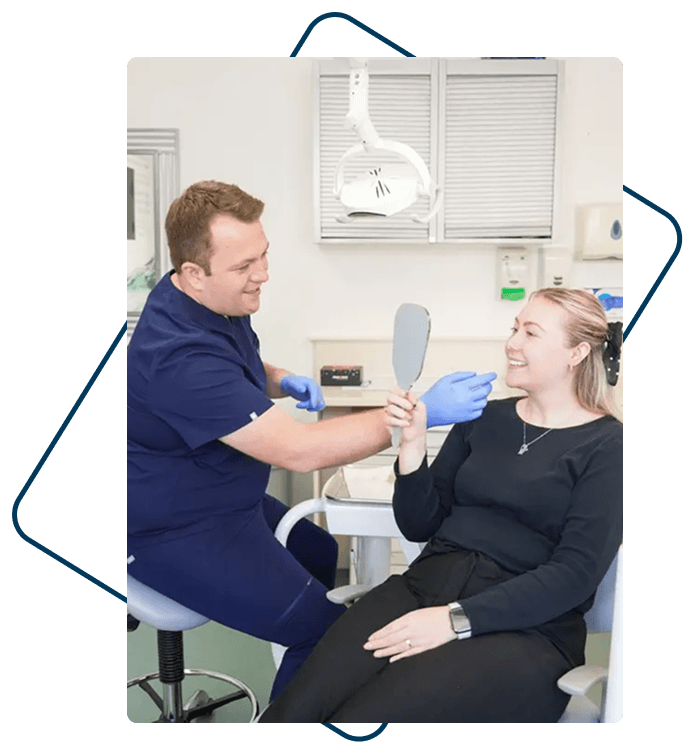
Preventive Dental Care

Dental Hygiene
Planning dental hygiene from Llangrannog? Our Aberystwyth clinic welcomes enquiries about plaque, tartar and gum health, with clear guidance on professional cleaning and everyday care. Start with the concern that prompted your search. Perhaps you can feel a rough deposit behind a lower front tooth, notice staining near the gums, or see bleeding when you clean between teeth. Making an enquiry is the first step toward understanding whether a professional clean would help.
An assessment checks for soft plaque, hardened tartar and the health of the gums. Professional cleaning supports your daily routine rather than replacing it. If something keeps building up in the same spot, noting when and where you see it can make your conversation with the dental team more productive.
Bring a short summary of your brushing habits, any areas that are difficult to reach, and a list of health conditions or medicines. Existing fillings, crowns or bridges can trap plaque at their edges, so pointing out these sites helps a clinician consider the most suitable cleaning approach for you.
Plaque is a thin film of bacteria that forms on teeth each day and contributes to both gum disease and tooth decay if not controlled. When minerals in saliva harden this film, it becomes tartar. Once tartar forms, a toothbrush cannot remove it effectively.
Professional cleaning is designed to remove both soft plaque and hardened tartar. Our hygiene services target deposits a home routine cannot shift and, used alongside good brushing and interdental cleaning, can aid the prevention of gum disease and tooth decay. Your exact care is based on clinical findings.
It helps to distinguish appearance from diagnosis. Brown marks might be surface staining rather than tartar, while tartar can sometimes be pale and hard to see. If you can feel a ledge or catch food repeatedly in one spot, mention that location during your assessment so it can be checked properly.
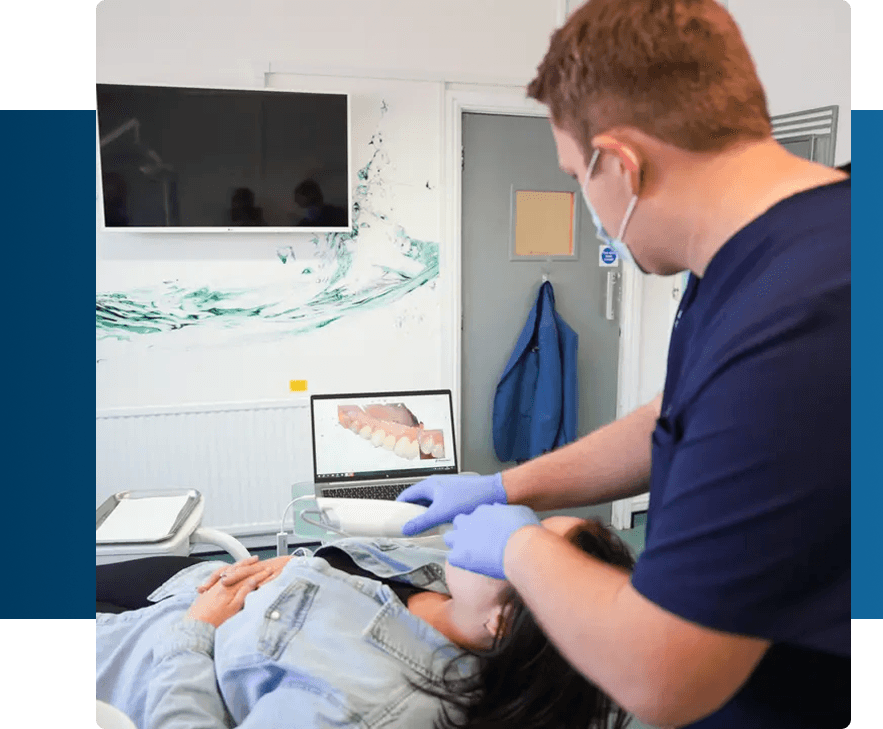
Red, swollen, sore or bleeding gums are signs that need attention. If your gums bleed when you brush or clean between teeth, or look puffy along the edges, arrange a dental assessment. The earlier gum concerns are addressed, the easier they usually are to manage.
Gum disease is not always painful. You might notice a bad taste, longer-looking teeth from gum shrinkage, or persistent bleeding without discomfort. Because these changes can be subtle, a dental professional is best placed to examine the gums and advise whether treatment or home-care adjustments are needed.
If your gums bleed, keep cleaning gently rather than stopping, and seek advice. Stopping allows more plaque to sit undisturbed, which can make the problem worse. An assessment can confirm whether professional cleaning and tailored daily care are appropriate for your situation.
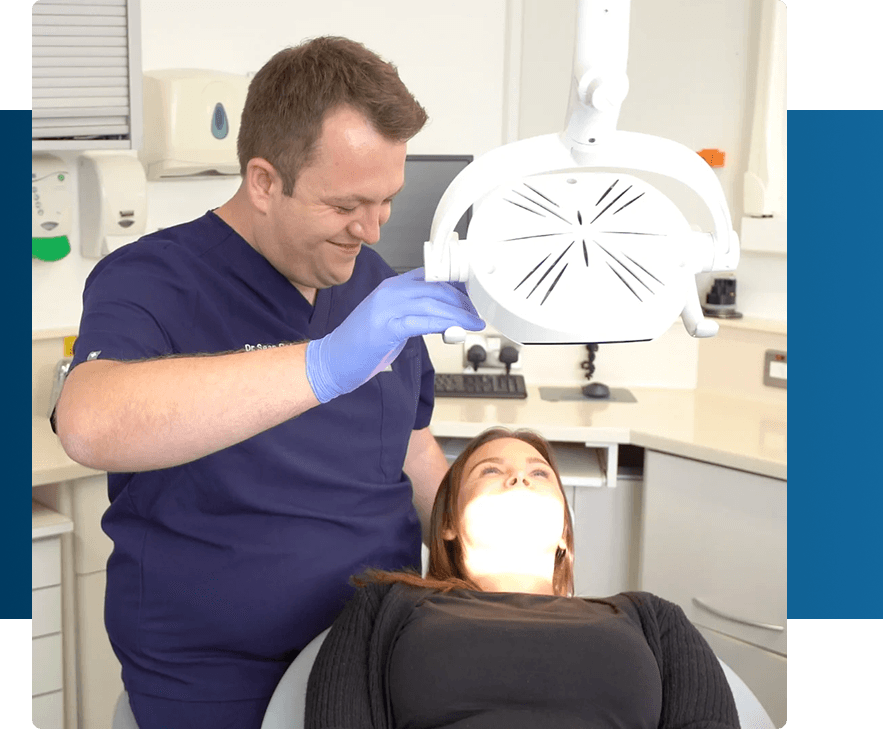
After assessing your mouth, a dental professional may recommend a clean to remove plaque and tartar from the tooth surfaces and around the gumline. A scale and polish is one recognised way to do this, but not every patient needs the same approach, and the plan depends on individual findings.
The purpose of professional cleaning is to support the prevention of gum disease and tooth decay and to complement your home routine. It focuses on areas that daily brushing and interdental cleaning struggle to reach, with advice provided where helpful to maintain results between visits.
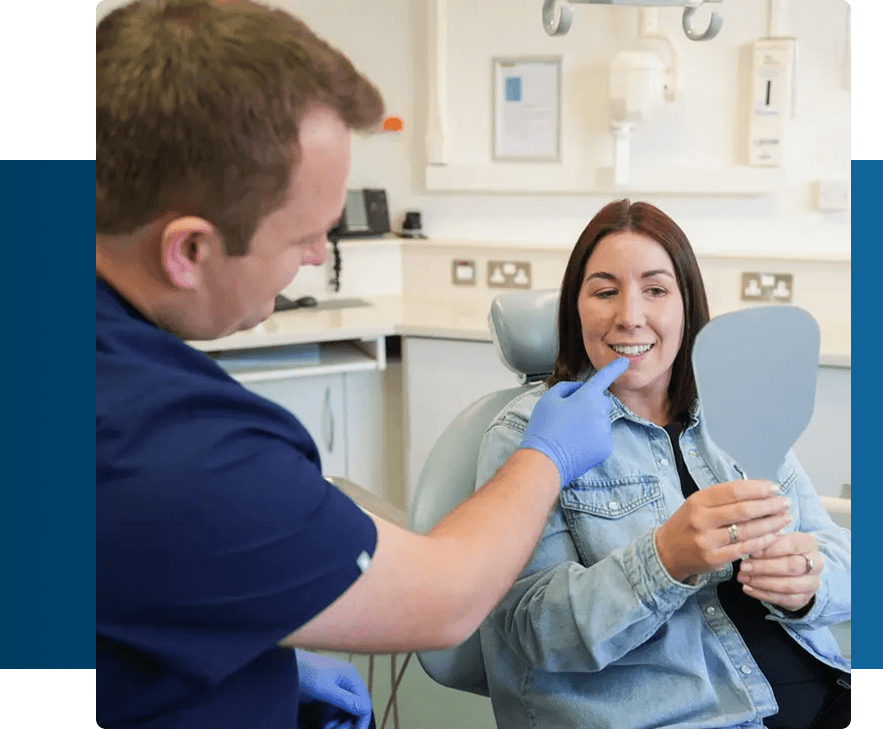
Brush twice a day for about two minutes with fluoride toothpaste to help control plaque and protect teeth. Use a technique you can keep consistent, and replace manual or electric brush heads regularly so the bristles remain effective rather than splayed or worn.
After brushing, spit out the excess toothpaste rather than rinsing straight away, so more fluoride stays on your teeth. Clean between teeth daily with floss or interdental brushes to remove plaque and trapped food where a toothbrush cannot reach, including around the edges of fillings and crowns.
If you are unsure whether floss or small brushes suit your mouth, ask a dental professional to recommend sizes and techniques that match your spaces and dexterity. Start gently and focus on thoroughness rather than pressure. Practise builds confidence, and a simple routine you repeat is more effective than an occasional long clean.
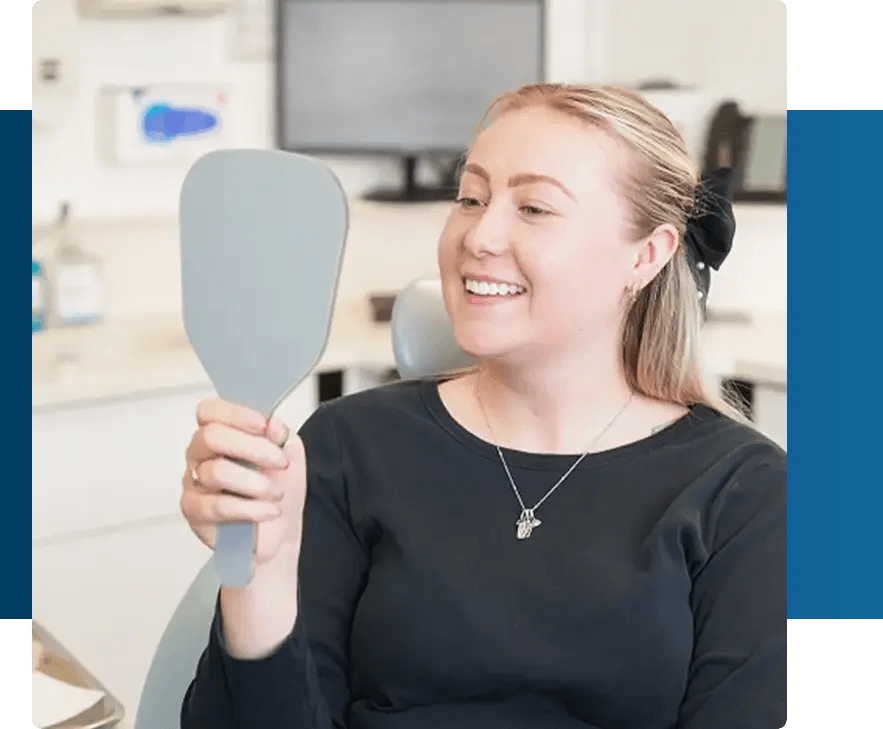
Check-up intervals are based on your individual oral health and risk, not a one-size-fits-all schedule. After an examination, your dentist will suggest a review pattern that reflects your gum health, decay risk and how stable things are between appointments.
Lifestyle choices matter. Not smoking supports gum health, and limiting sugar between meals helps protect against tooth decay. Combined with good brushing, cleaning between teeth and targeted professional care, these habits improve your chances of keeping problems under control.
Arrive with questions that make the most of your time. Describe where you feel roughness, how often it returns and whether bleeding is general or only in certain spots. Ask which cleaning method and sizes suit tight and wider gaps, and mention medicines or dry mouth symptoms that might affect plaque control.
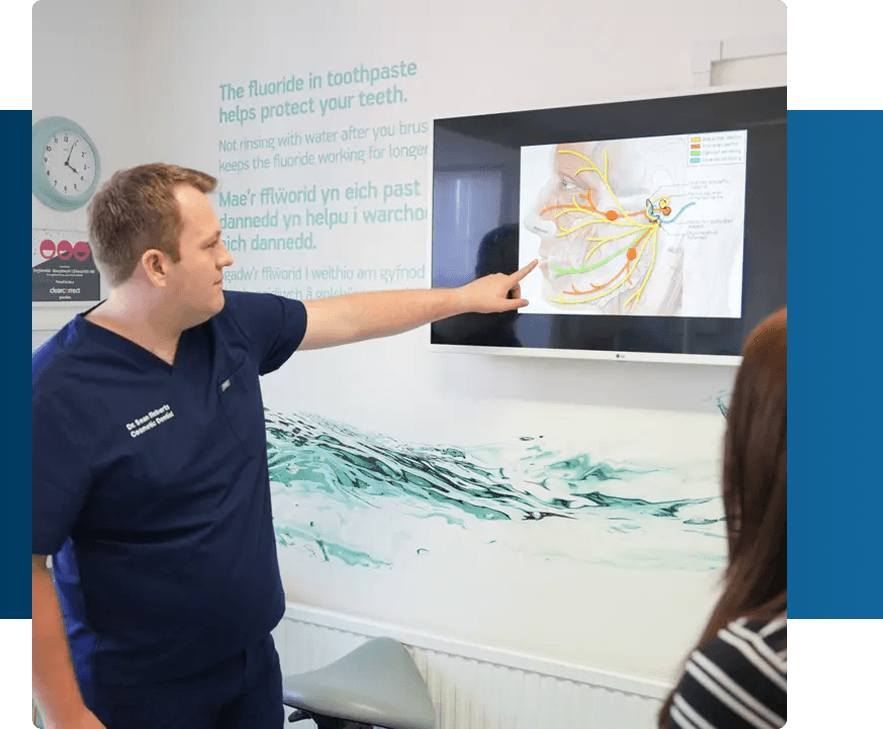
Practical Prevention
Dental Hygiene
BDS Manchester, 2018
A common trigger for questions is a stubborn, gritty patch behind the lower front teeth or between back molars that catches food. Toothbrush bristles rarely reach into these narrow contact points. Rather than brushing harder, the aim is selecting the right aid to clean the exact space safely.
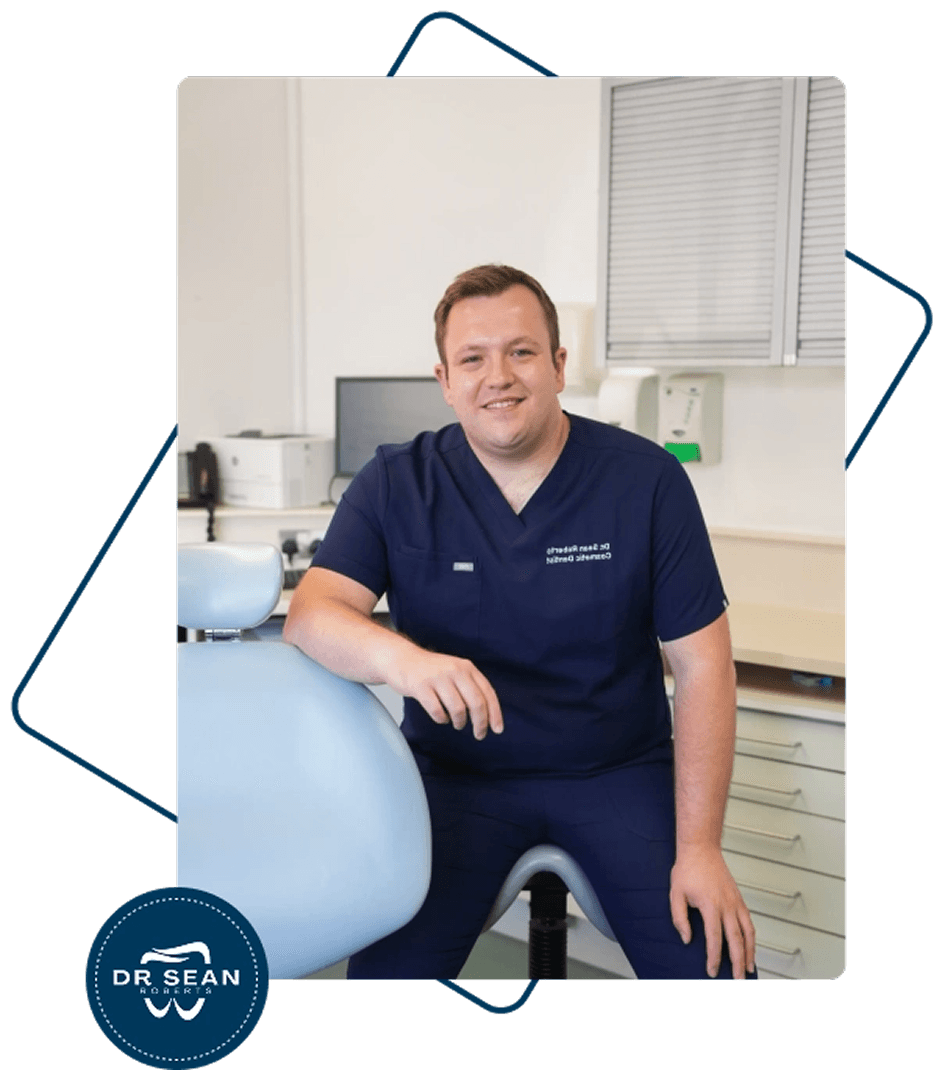
Interdental brushes work best when sized correctly: they should pass with light resistance and be guided along the side of the tooth, not forced. Floss can reach tight contacts where even the smallest brush will not fit. For bridges or fixed retainers, threaders help position floss under the wire. A dental professional can confirm sizes, demonstrate technique and, if useful, Dr Sean Roberts can discuss how this fits into your overall preventive plan.
Make your choices easy to follow at home. Keep the selected brush sizes together, replace them when the filaments splay, and decide whether you clean between teeth before or after brushing so the sequence becomes automatic. Avoid forcing any tool; if a site bleeds persistently, note it and ask for a review of your method at your next visit.
How To Reach Us
How To Reach Us
Friars Dental Clinic is at Park Avenue, Aberystwyth, SY23 1PB. Check your route before you set off and allow time for town-centre traffic so you can arrive unhurried and ready for your assessment.
If you prefer public transport, check current services from Llangrannog to Aberystwyth and confirm your boarding stop. Allow time for the onward walk to Park Avenue once you arrive in the town.
Check whether rail travel suits your starting point, as it may involve reaching a station by bus or car before continuing to Aberystwyth. Plan your final leg from the station to Park Avenue in good time.
Booking And Next Steps

Next Steps
To enquire about dental hygiene or a professional clean, contact Friars Dental Clinic on 01970 623 369 or email hello@drsean.dentist. Tell us what you have noticed, such as rough deposits, bleeding or areas that are difficult to keep clean.
Please include any relevant medical information and whether you have bridges, retainers or other restorations that trap plaque. We will confirm the next suitable steps after an assessment has established what is appropriate for you.
If you feel nervous about dental treatment, mention this when you book so your concerns can be discussed in advance. Sharing what worries you helps the team plan clear explanations and a calm, well-informed visit.
FAQ's
Frequently Asked Questions
Tartar is mineralised plaque that bonds to teeth and will not brush away. A professional clean is used to remove it, sometimes called a scale and polish, depending on what your assessment shows.
Ask if you feel a rough edge, see discolouration that catches at the gumline, or notice sore, swollen or bleeding gums. Professional assessment confirms whether removal is needed and where to focus your home care.
Both help remove plaque between teeth. Interdental brushes suit larger spaces; floss works for tight contacts. A dental professional can recommend the right sizes and techniques for your mouth.
No. Brush gently for about two minutes with fluoride toothpaste, then spit rather than rinse. Clean between teeth daily. If deposits persist, ask about professional removal and technique adjustments instead of increasing pressure.
Check current bus options and your road route in advance, and allow walking time once in Aberystwyth. Bring the clinic address, Park Avenue, Aberystwyth, SY23 1PB, to guide the final part of your journey.

Call The Practice
01970 623 369
Email Me
hello@drsean.dentist
Address
Friars Dental Clinic Park Avenue, Aberystwyth, SY23 1PB
All rights reserved © Dr Sean Roberts 2026
website designed and maintained by dentopia marketing
We use cookies to improve your browsing experience. You can accept all, reject all, or manage your preferences. See our Privacy Policy for more details.