By Car
Appointments take place at Friars Dental Clinic, Park Avenue, Aberystwyth, SY23 1PB. If driving from Llangeitho, plan your preferred route in advance and allow time to find the clinic on Park Avenue when you arrive in central Aberystwyth.

Preventive Dental Care

Dental Hygiene
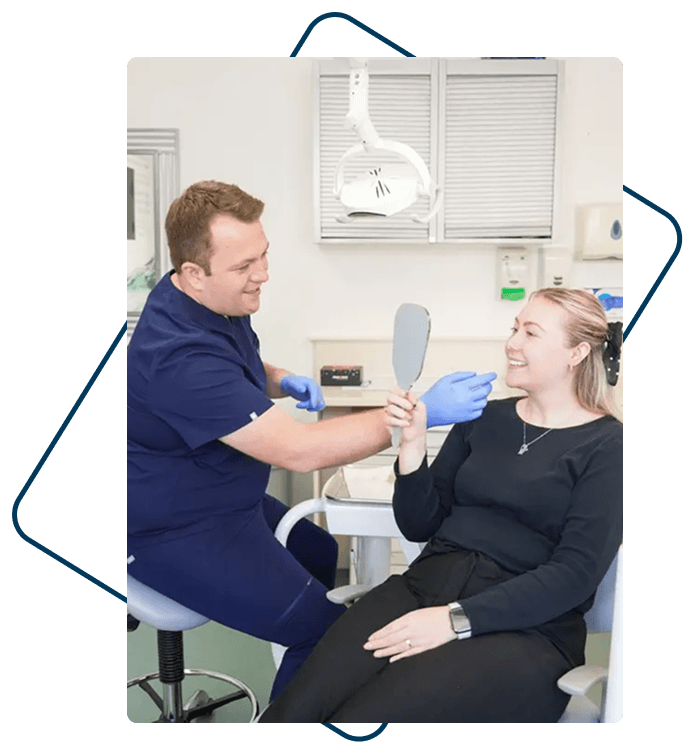
Considering dental hygiene from Llangeitho? Visit Friars Dental Clinic in Aberystwyth for well-informed care focused on cleaner teeth, healthier gums and practical advice tailored to everyday home cleaning. You might be wondering whether you need a professional clean or just a refreshed routine at home. A useful first step is to separate the wish for a fresher-feeling mouth from any symptoms like sore or bleeding gums, which call for an individual assessment rather than a quick polish.
A dental assessment looks at gum health, plaque build-up and any hardened deposits. The aim is not simply cosmetic. Well-planned cleaning supports prevention of gum disease and tooth decay over time, alongside everyday home care. If symptoms are present, these will guide the priority at your visit.
If you feel nervous about treatment, tell the team when you book so your concerns can be discussed. Understanding what will happen helps many people feel more in control. Bringing a list of questions about your gums or cleaning routine can make the conversation focused and productive.
Plaque is a soft, sticky film of bacteria that continuously forms on your teeth. If not controlled, it contributes to gum disease and tooth decay. Over time, minerals in saliva can harden plaque into tartar, which is firmly attached and cannot be removed by brushing alone.
Professional cleaning is designed to remove both soft plaque and hardened tartar, particularly in places that are difficult to reach at home. At Friars Dental Clinic, hygiene services are described within general dentistry as professional cleaning that helps prevent gum disease and tooth decay, complementing your daily care rather than replacing it.
If you have noticed roughness behind lower front teeth or along the gumline, this could be tartar. A professional assessment can confirm what is present and where. Removing deposits can make it easier to keep teeth clean at home, supporting longer-term gum health.
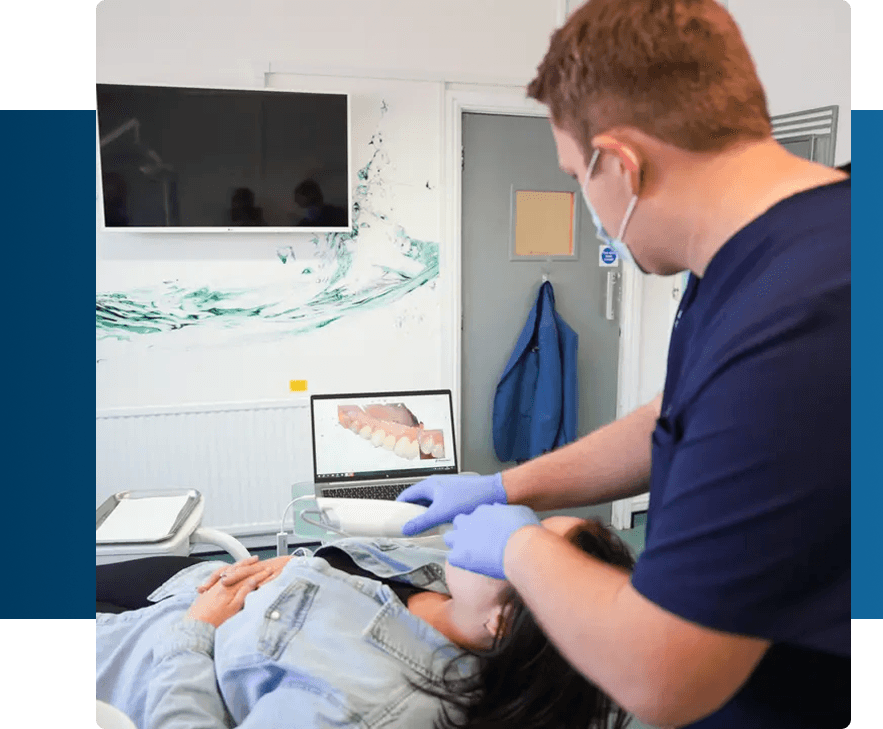
Red, swollen, sore or bleeding gums are common signs of gum disease. If you notice these changes, particularly when brushing or cleaning between teeth, it is sensible to book a dental assessment. Early advice is more useful than waiting to see if things settle on their own.
Bleeding can occur even with regular brushing if plaque has stayed along the gumline. A professional can check whether there are local factors, such as deposits or difficult-to-reach areas, and advise on the next steps. The priority may be targeted cleaning rather than a general polish.
If your gums are uncomfortable, focus your questions on where the inflammation is, what is likely contributing, and which home-care adjustments are most important right now. This helps any recommended professional cleaning fit your individual needs rather than following a fixed routine.
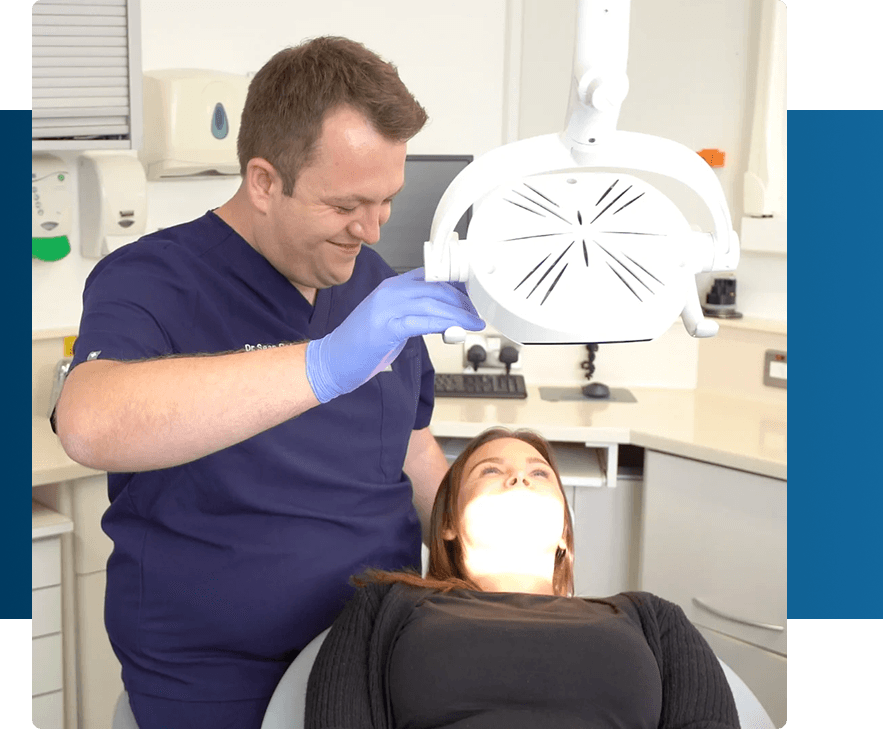
The term scale and polish generally refers to professional removal of plaque and tartar, followed by smoothing the tooth surface where appropriate. Not every patient receives the same procedure; what is recommended depends on your assessment and gum health at the time of the visit.
Cleaning may focus on specific areas if deposits are localised or if gums are currently inflamed. Your clinician will explain which sites matter most and what home-care changes support the result. The goal is healthier gums and easier daily cleaning, guided by your individual findings.
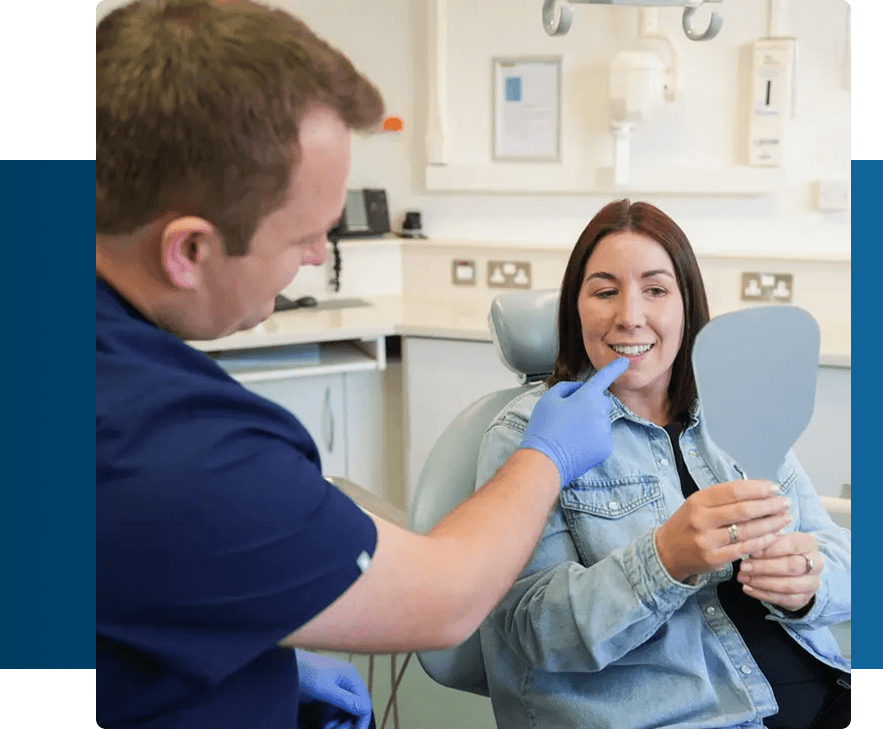
Brushing twice a day for about two minutes with fluoride toothpaste helps control plaque and protect teeth. After brushing, spit out excess toothpaste rather than rinsing straight away. This keeps more fluoride on the teeth for longer-lasting protection between brushes.
Cleaning between teeth with floss or interdental brushes helps remove trapped food, debris and plaque from spaces your toothbrush cannot reach. The right size and method vary from person to person. Start gently and build a regular habit so gums adapt without over-scrubbing.
A dental professional can recommend suitable ways to clean between your teeth, including which sizes or techniques may be effective for your mouth. If you wear a retainer or have bridges or crowded areas, mention these so the advice fits the reality of your daily routine.
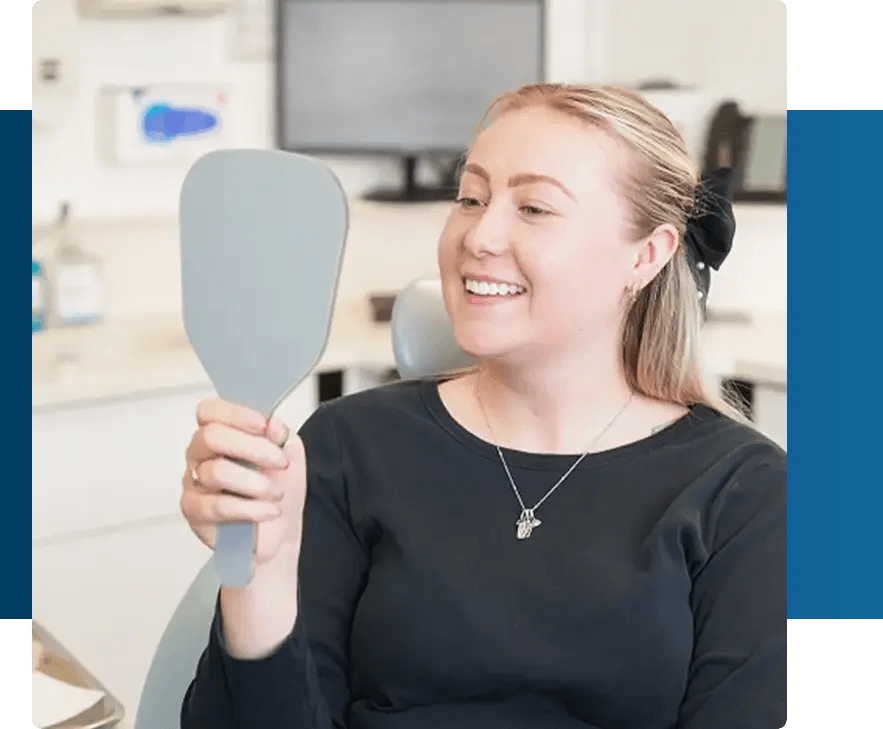
Check-up and hygiene intervals are not one-size-fits-all. Your recall depends on your current gum health, overall risk and how easily you can keep areas clean at home. Ask how your individual situation affects timing, rather than assuming a fixed six-month schedule.
Lifestyle matters, too. Not smoking supports gum health, and limiting how often you have sugary foods and drinks helps protect against tooth decay. These everyday choices, combined with targeted professional cleaning when needed, make prevention more effective over the long term.
Before you book, note a few specifics: where gums bleed, any tenderness when chewing, and challenging areas to clean. Ask which two or three changes would make the biggest difference at home, and which professional steps are appropriate for your assessed needs.
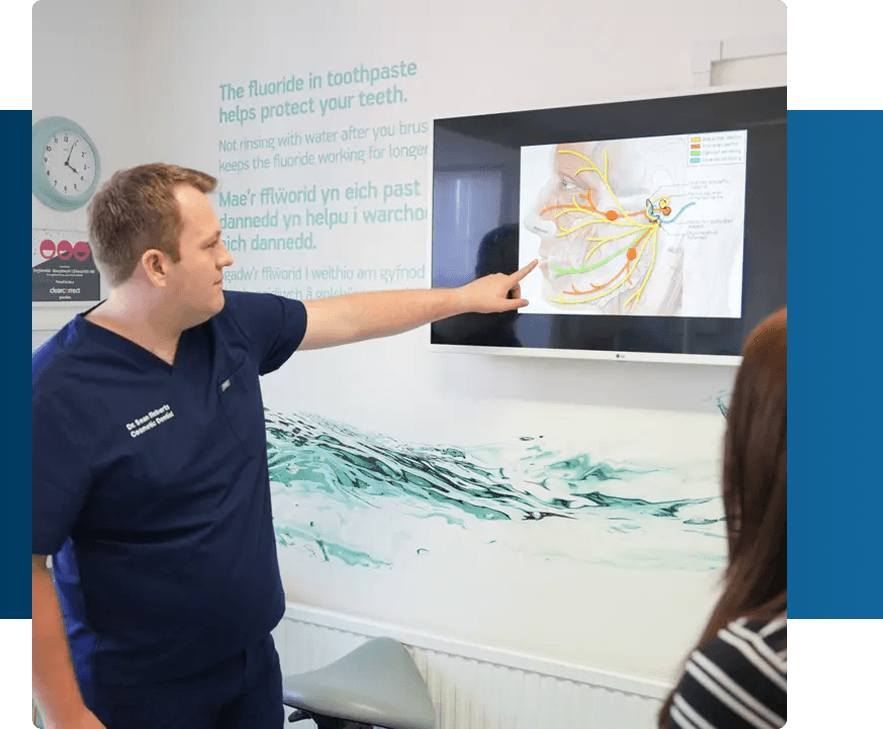
Practical Prevention
Dental Hygiene
BDS Manchester, 2018
Start by asking what the assessment shows: where plaque and tartar are accumulating, and whether the gums there look inflamed. This turns a general wish for a clean into targeted care, with clear reasons for focusing on particular teeth or surfaces.
In your consultation with Dr Sean Roberts, you can ask how professional cleaning and your home routine should work together, especially if you have bridges, crowded areas or tight contacts. Clarifying which tools and angles suit those sites helps you maintain results day to day.
Finally, discuss signs to monitor after your visit, such as reduced bleeding spots or smoother areas that stay clean longer. Ask when to get back in touch if bleeding persists, and how your recall interval will be decided based on your individual findings and risk.
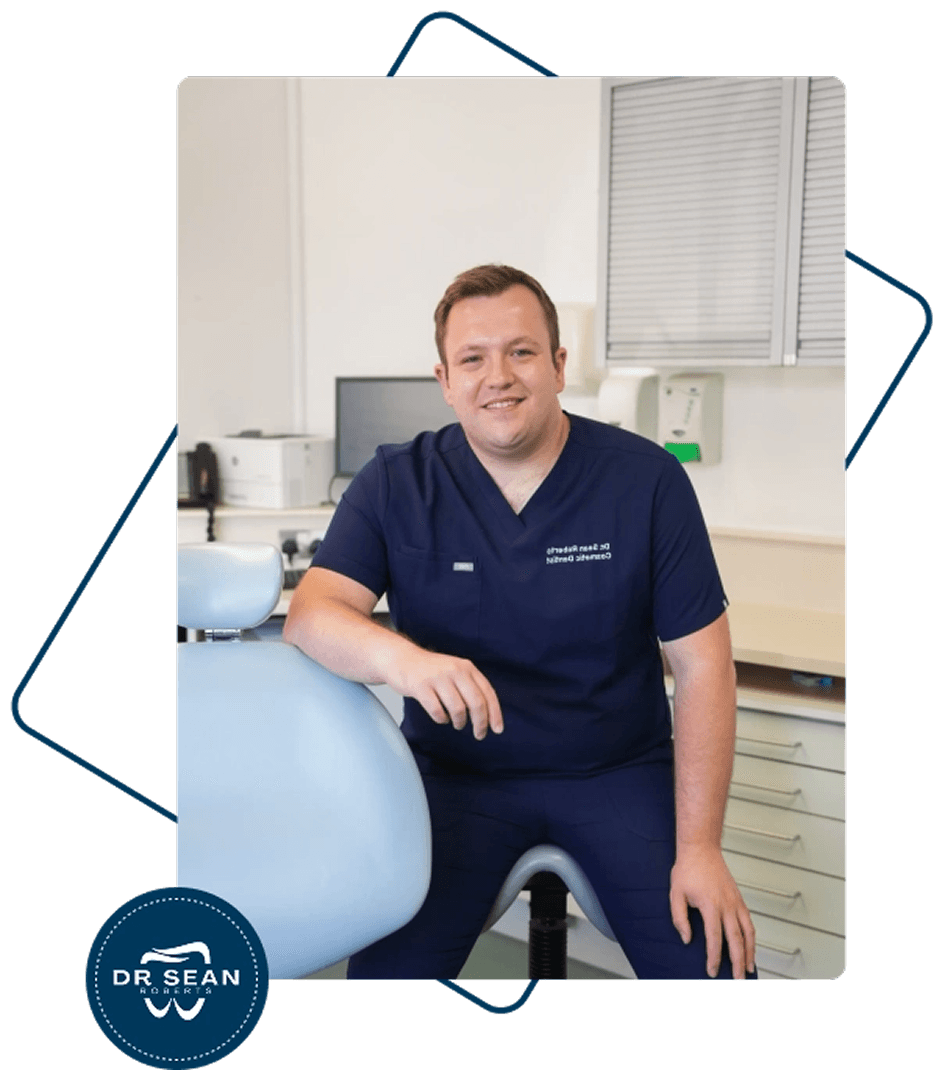
How To Reach Us
How To Reach Us
Appointments take place at Friars Dental Clinic, Park Avenue, Aberystwyth, SY23 1PB. If driving from Llangeitho, plan your preferred route in advance and allow time to find the clinic on Park Avenue when you arrive in central Aberystwyth.
If travelling by bus from Llangeitho, check current timetables and your nearest boarding point, then allow time for the onward journey into central Aberystwyth. From there, make your way to Park Avenue for Friars Dental Clinic.
There is no village station in Llangeitho. Check whether rail to Aberystwyth suits your starting point, as you may need to connect by bus or car first. On arrival in Aberystwyth, continue to Park Avenue for the clinic.
Booking And Next Steps

Next Steps
If you would like to enquire about a professional clean or gum symptoms, please contact the clinic team on 01970 623 369. Mention any discomfort or bleeding you have noticed so your questions can be addressed during your appointment planning.
You can also email hello@drsean.dentist. Include brief details about areas that bleed, specific teeth that feel rough, or challenges with cleaning between teeth. This helps the assessment focus on the sites that matter most for you.
If you feel nervous about dental treatment, say so when you get in touch so your concerns can be discussed. Whether your priority is a fresher feel or advice about bleeding gums, the focus will be on well-informed care tailored to your individual findings.
FAQ's
Frequently Asked Questions
Daily brushing removes soft plaque, but hardened tartar can firmly attach to teeth and is not removed by home tools. Professional cleaning targets both, especially in difficult-to-reach areas, supporting gum health and making everyday cleaning more effective.
Scaling is considered when your assessment shows plaque and tartar that require professional removal. A clinician recommends it based on your findings; not everyone needs the same approach, and a routine scale and polish is not automatically provided to every patient.
Home care is essential for daily plaque control, but it cannot reliably remove established tartar. Professional cleaning is used to remove deposits and smooth surfaces where appropriate, then your tailored home routine helps keep those areas clean.
Ask whether you should have an assessment first, which areas are most affected, and what home-care steps to prioritise now. Bleeding gums warrant a dental review, so mention when it happens and any changes you have already tried.
Plan your route ahead of time. Driving is straightforward with the Park Avenue, SY23 1PB address. If using public transport, check current bus times; rail to Aberystwyth may involve connections before continuing to Park Avenue.

Call The Practice
01970 623 369
Email Me
hello@drsean.dentist
Address
Friars Dental Clinic Park Avenue, Aberystwyth, SY23 1PB
All rights reserved © Dr Sean Roberts 2026
website designed and maintained by dentopia marketing
We use cookies to improve your browsing experience. You can accept all, reject all, or manage your preferences. See our Privacy Policy for more details.