By Car
Set your sat-nav to Park Avenue, Aberystwyth, SY23 1PB and navigate to Friars Dental Clinic. Check live traffic and roadworks before you leave so you arrive in time for your appointment.

Preventive Dental Care

Dental Hygiene
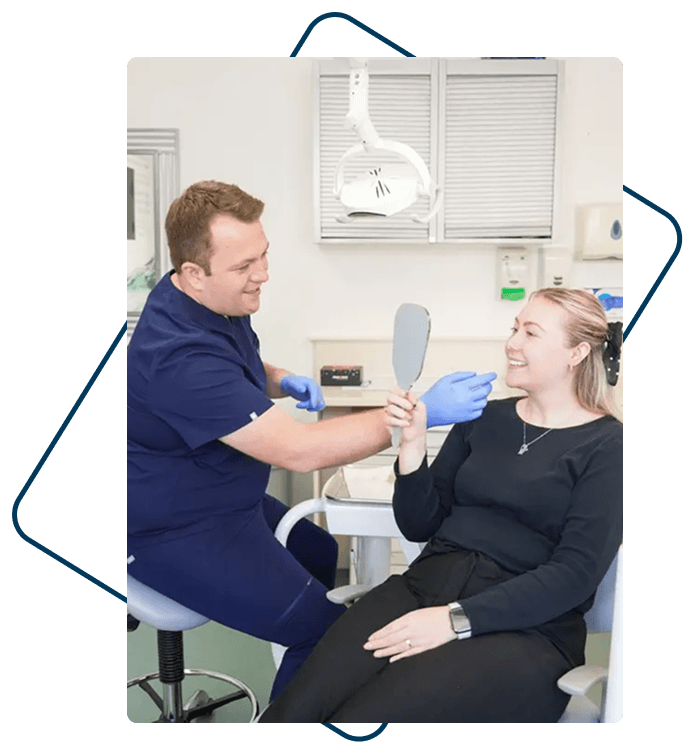
Practical dental hygiene advice and professional cleaning support for patients from Llanfair Clydogau, with assessments and care at Friars Dental Clinic in Aberystwyth to help protect your gums. If you are noticing deposits on your teeth, tender gums or uncertainty about your routine, a focused hygiene assessment can clarify where to start. The aim is to reduce risk from plaque build-up and make day-to-day care simpler and more effective.
Professional cleaning works alongside home care. It targets what toothbrushes and interdental aids sometimes cannot fully remove, then turns to practical guidance that fits your mouth, lifestyle and available time. Prevention is far easier when advice is personal and achievable.
At Friars Dental Clinic, appointments are used to understand your current gum health and any symptoms you are concerned about. You can ask about techniques, tools and time-saving steps so that your plan for cleaner teeth is realistic and sustainable.
Plaque is a thin, sticky film of bacteria that forms on teeth and around the gumline. Left in place, it contributes to gum disease and tooth decay. If plaque hardens into tartar, it becomes difficult to remove by brushing alone.
That is where a dental professional's cleaning can help. The clinic's hygiene services involve professionally removing plaque and tartar where they accumulate, especially in hard-to-reach areas. Reducing these deposits supports the prevention of gum disease and cavities in the months ahead.
Because tartar is bonded to the tooth surface, it often needs professional instruments to dislodge it safely. Cleaning is not just cosmetic; it makes it easier for brushing and interdental cleaning to keep the area clean thereafter, so your everyday routine works better.
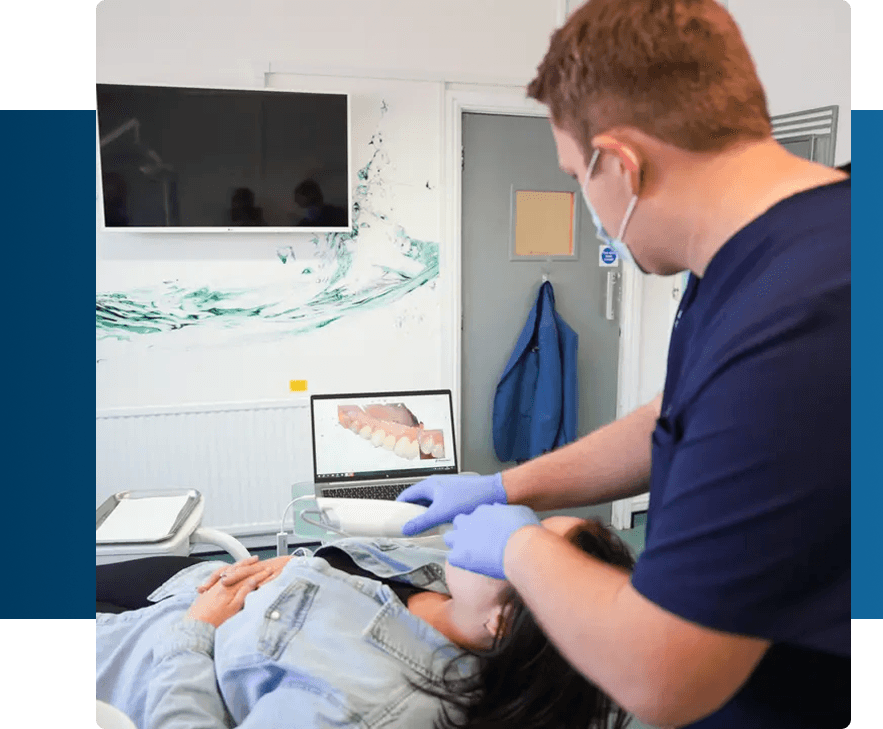
Gums that are red, swollen, sore or bleed when brushing or flossing can be signs of gum disease. If you notice any of these symptoms, it is sensible to arrange an assessment so a dental professional can examine your mouth and advise on next steps.
Early gum disease can be reversible with improved cleaning and guidance, but symptoms alone do not confirm a diagnosis. An individual examination checks your gumline, plaque levels and areas you may find more difficult to keep clean.
If you wear retainers, have bridges or tight contact points between teeth, problem areas may be specific. Asking for tailored advice on reaching these spots can reduce irritation, freshen your mouth, and help settle the gums.
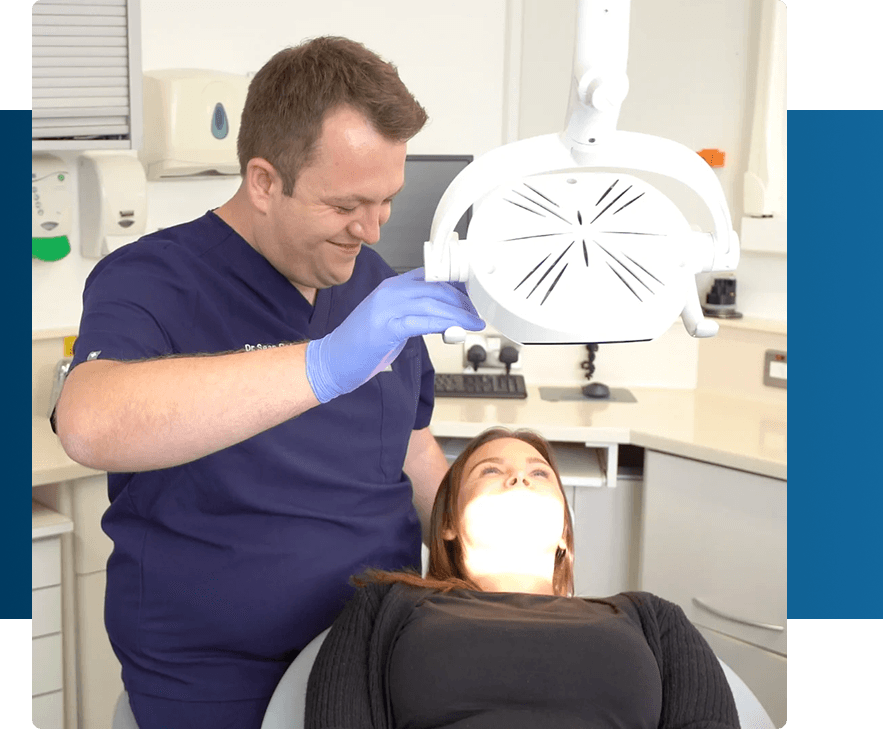
A professional clean focuses on the removal of plaque and tartar from tooth surfaces and along the gumline. A commonly known approach is a scale and polish, which means professional removal of these deposits, although the exact method used varies by mouth and is not the same for everyone.
Cleaning supports prevention but is not a substitute for daily care or a guarantee against gum disease or decay. Its value lies in resetting the mouth so brushing and interdental cleaning can be more effective day to day.
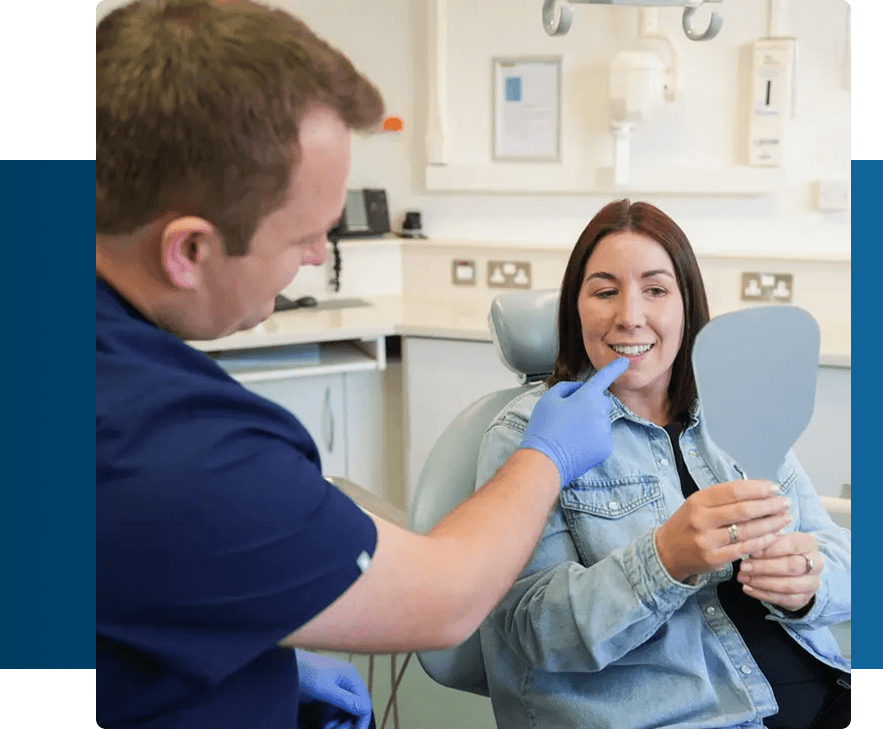
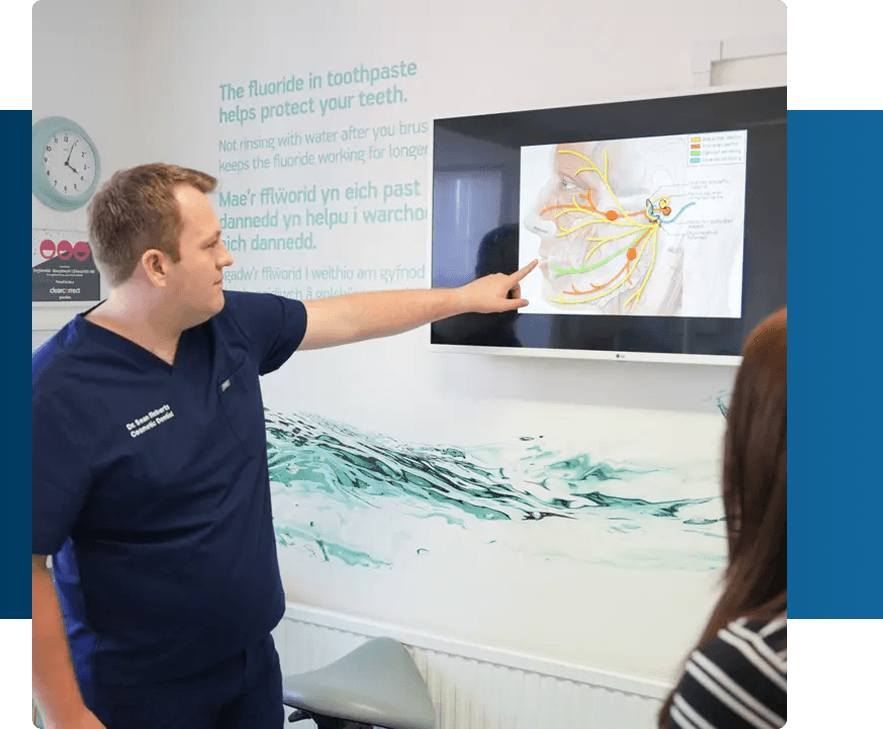
Brush twice a day for about two minutes with a fluoride toothpaste. Fluoride helps to protect the enamel against decay. After brushing, spit out excess toothpaste rather than rinsing immediately, so helpful fluoride remains on your teeth for longer.
Cleaning between teeth is important because bristles often miss the tight spaces. Floss or interdental brushes can remove trapped food, debris and plaque, especially where teeth meet or around existing fillings and crowns.
If you are unsure which size or method to use, ask a dental professional to recommend a suitable way to clean between your teeth. The right approach varies from person to person and can change as gums settle or as dental work changes the shape of spaces.
How often you should be reviewed depends on your individual risk, not a fixed six-month rule. Your dentist will suggest an interval that reflects your gum health, plaque levels, and any medical or lifestyle factors that could influence risk.
Consider asking which areas you are consistently missing, the best interdental sizes for those spaces, and whether your toothpaste and toothbrush are appropriate. Small adjustments, repeated daily, are usually more effective than occasional major efforts.
If you have diabetes, a dry mouth or take medicines that affect saliva, mention it during your assessment. These can alter decay or gum risk, so your plan and review interval may be adapted accordingly.
Practical Prevention
Dental Hygiene
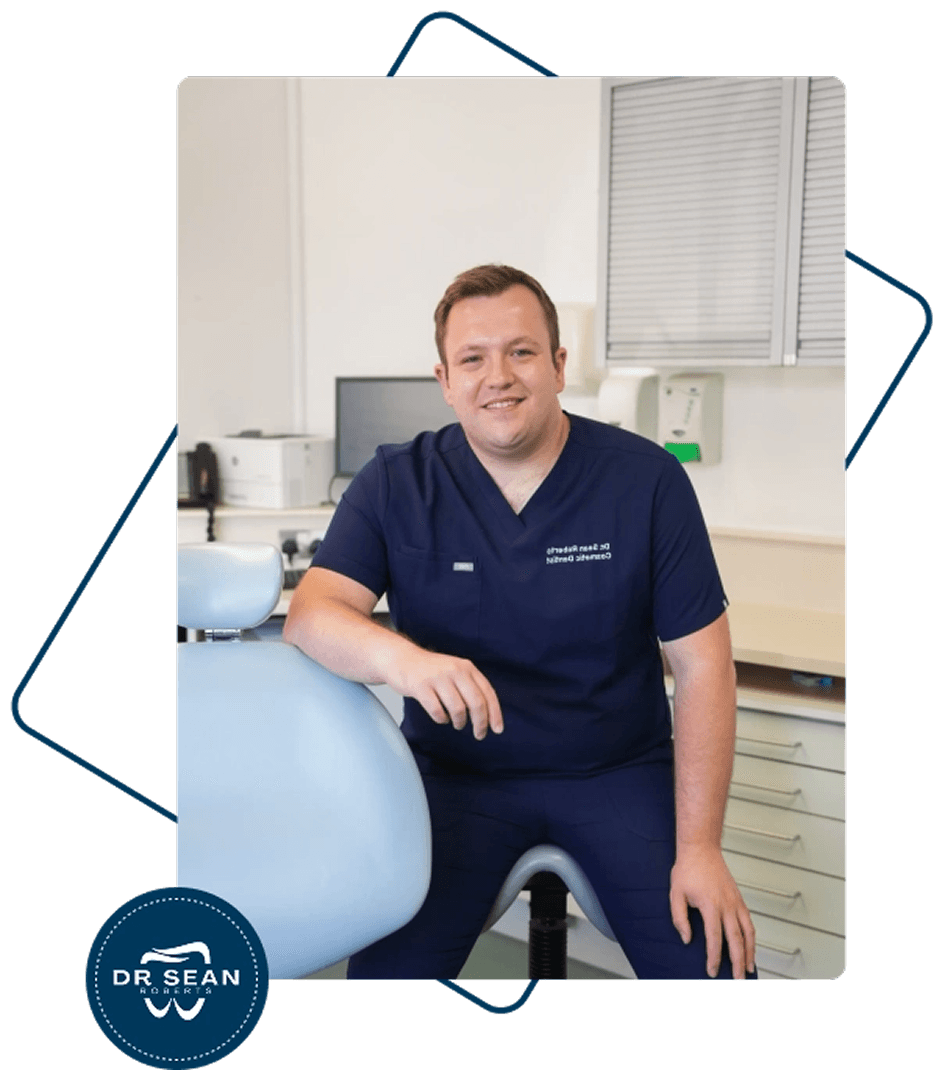
BDS Manchester, 2018
Smoking is strongly linked with gum problems. Tobacco can reduce blood flow to the gums and make inflammation harder to spot, so disease may progress with fewer obvious signs. Cutting out smoking supports gum health and improves the impact of your cleaning routine.
Sugary food and drinks feed the bacteria that cause tooth decay. The frequency of sugar matters as much as the total amount, because every exposure can start an acid attack. Keeping sweet snacks to mealtimes reduces the number of attacks on enamel.
Other daily choices add up. Choose water between meals, brush with fluoride just before bed, and avoid rinsing straight after. During your visit, Dr Sean Roberts can discuss how your specific habits interact with your mouth and suggest realistic changes that protect your teeth and gums.
How To Reach Us
How To Reach Us
Set your sat-nav to Park Avenue, Aberystwyth, SY23 1PB and navigate to Friars Dental Clinic. Check live traffic and roadworks before you leave so you arrive in time for your appointment.
Check current bus services from Llanfair Clydogau towards Aberystwyth and allow time for any change en route. Plan an onward walk from your final stop to Park Avenue. Timetables can vary, especially on weekends and holidays.
Consider whether rail to Aberystwyth suits your journey. If using the train, plan your connection from the station to Park Avenue by walking, local bus or taxi. Always check up-to-date timetables before travelling.
Booking And Next Steps

Next Steps
If you want advice about bleeding gums, stubborn tartar or your routine, you can book an assessment or ask questions first by calling 01970 623 369. A short conversation often clarifies what to bring and what to expect.
You can also email hello@drsean.dentist with your gum health concerns or photographs of problem areas if that helps explain the issue. Email replies are not a diagnosis, but they can help plan an in-person assessment.
If you feel nervous about dental treatment, mention this when you book. Sharing your concerns lets the team understand what worries you so they can discuss options, explain the process and help you feel more at ease.
FAQ's
Frequently Asked Questions
Yes. Bleeding, redness or swelling can indicate gum disease and should be assessed. An examination checks your gumline and plaque levels, then advises on cleaning changes and whether professional removal of deposits is appropriate.
Smoking reduces blood flow to the gums and can mask inflammation, allowing disease to progress with fewer visible signs. Stopping smoking supports healing and helps home care and professional cleaning be more effective over time.
Frequent sugary food or drinks increase acid attacks on enamel, raising decay risk even if you brush. Brushing with fluoride protects teeth, and keeping sugar to mealtimes can reduce how often those attacks occur.
A professional clean removes plaque and tartar you cannot shift at home, making hard-to-reach areas easier to maintain. Daily brushing with fluoride plus cleaning between teeth maintains those gains and supports gum health.
Driving is straightforward: set your sat-nav to Park Avenue, Aberystwyth, SY23 1PB for Friars Dental Clinic and follow current directions. If using public transport, check latest bus or rail options and allow time for connections.

Call The Practice
01970 623 369
Email Me
hello@drsean.dentist
Address
Friars Dental Clinic Park Avenue, Aberystwyth, SY23 1PB
All rights reserved © Dr Sean Roberts 2026
website designed and maintained by dentopia marketing
We use cookies to improve your browsing experience. You can accept all, reject all, or manage your preferences. See our Privacy Policy for more details.