By Car
Set your sat nav to Friars Dental Clinic, Park Avenue, Aberystwyth, SY23 1PB. Check your preferred route and traffic conditions before leaving, and allow time to find the entrance on Park Avenue when you arrive in Aberystwyth.

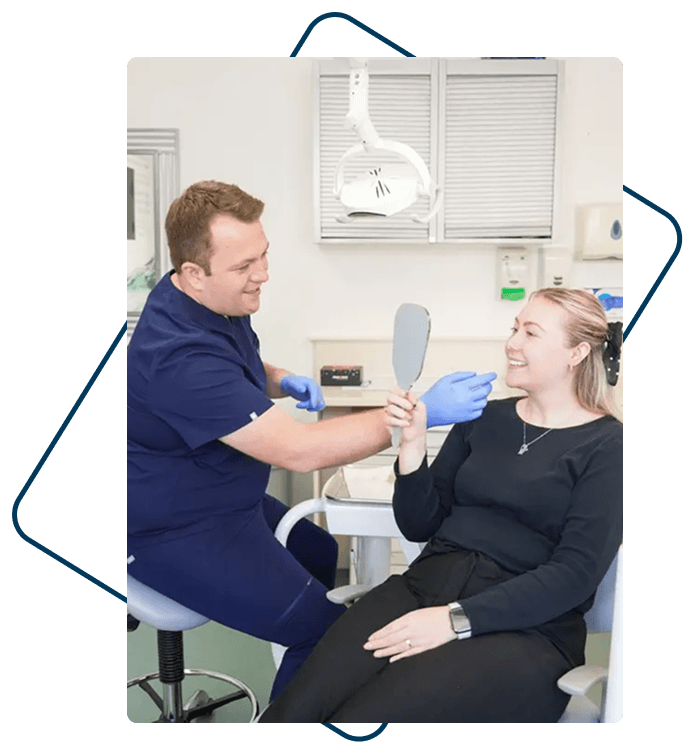
Preventive Dental Care

Dental Hygiene
Considering dental hygiene from Llandysul? Visit our Aberystwyth clinic for professional help with plaque, tartar and gum health, plus clear home-care advice tailored to your mouth. If you have a rough edge you cannot brush smooth, visible deposits at the gumline, or gums that bleed when you clean, a professional hygiene visit helps you understand what is happening and plan prevention. You do not need to wait for pain to seek sensible advice.
At our Aberystwyth clinic, hygiene services focus on professional removal of plaque and tartar where appropriate, alongside guidance to keep them under control. This type of care supports the prevention of gum disease and tooth decay, complementing what you do at home rather than replacing daily cleaning.
Before you come, note where deposits or staining tend to return, and any areas that feel difficult to reach with your usual toothbrush. Sharing these details helps the dental professional tailor advice to your mouth and discuss realistic next steps that match your oral health.
Plaque is a soft, sticky film of bacteria that forms constantly on teeth. Left in place, it contributes to gum disease and tooth decay. Even with careful brushing, plaque quickly rebuilds, which is why home care and periodic professional assessment work best together.
When minerals in saliva harden old plaque, it turns into tartar. Tartar binds strongly to tooth surfaces and around the gumline, so a toothbrush cannot shift it once formed. Professional cleaning is the safe way to remove these hardened deposits.
It helps to distinguish what you see from what you feel. You might notice stained tartar yet have comfortable gums, or have red, swollen gums even if deposits are not obvious. Either way, an examination guides whether cleaning, gum care advice, or both, are most helpful.
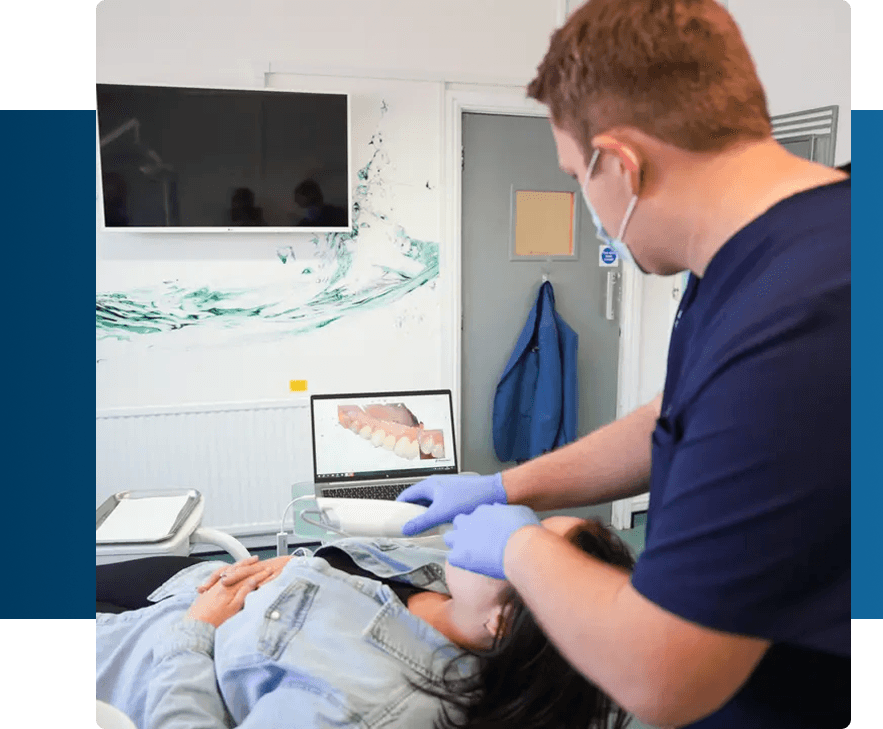
Healthy gums are usually pink and firm. If your gums are red, swollen, sore or bleed when brushed or cleaned between the teeth, that can be a sign of gum disease. It is wise to seek a dental assessment rather than self-diagnosing the cause.
Bleeding is not normal, even if it seems to happen only occasionally. Early gum problems are often reversible with improved cleaning and targeted professional care. The sooner you discuss symptoms, the easier it is to agree practical steps to protect gum health.
How often you need a check-up or hygiene visit depends on your individual risk, not a fixed six-month rule. After we assess your mouth, we can advise an interval that reflects your current gum health, daily cleaning, and any other relevant factors.
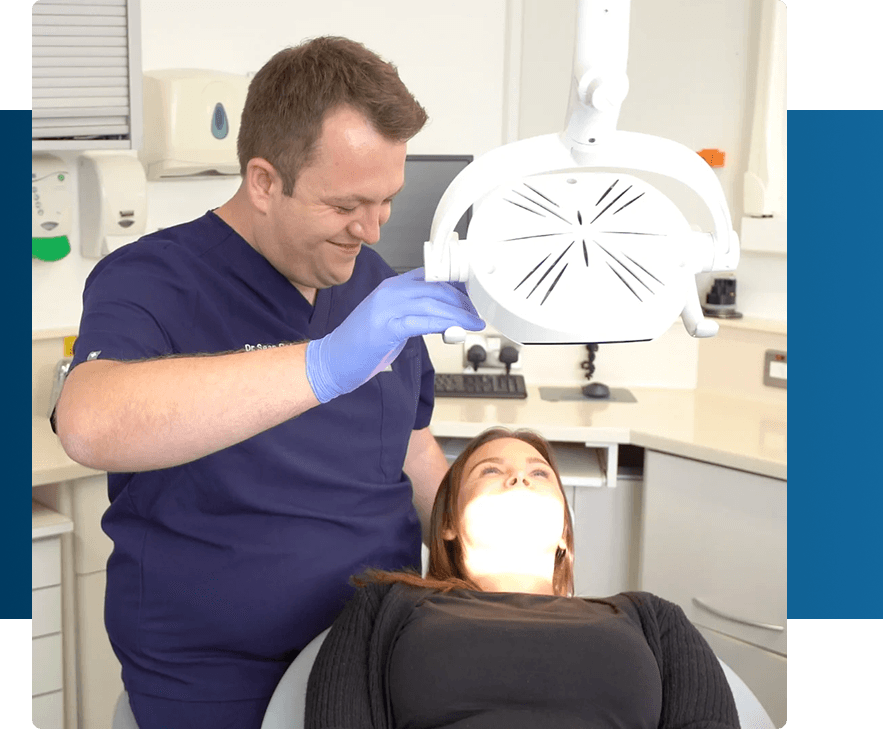
A professional clean focuses on removing soft plaque and hardened tartar from the teeth and along the gumline. For some patients, this may include a scale and polish, which is a method of professionally removing deposits. It is not the same for everyone and is planned individually.
The purpose of any cleaning is preventive: to reduce the bacterial load that irritates gums and to limit the conditions that lead to tooth decay. Your clinician will explain what areas were cleaned and suggest ways to keep those sites healthy at home.
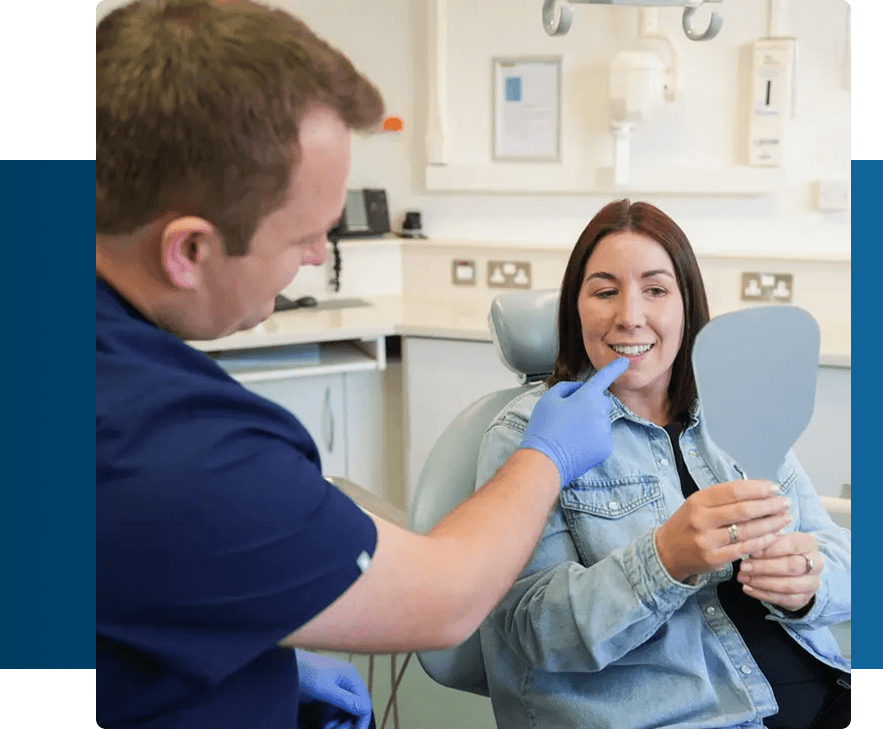
At home, brush twice a day for about two minutes with fluoride toothpaste. After brushing, spit out the excess rather than rinsing immediately, so more fluoride stays on your teeth to protect against decay between professional visits.
Cleaning between teeth removes food, debris and plaque where bristles cannot reach. Depending on your mouth, that may involve floss, tape or interdental brushes. A dental professional can recommend a suitable approach for you and show how to use it safely.
If certain back teeth trap plaque repeatedly, try brushing the gumline with small, gentle circles and tilting the bristles to reach slightly under the gum edge. Replace worn brushes regularly so the filaments clean effectively without scrubbing too hard.
Ongoing prevention is personal. Ask which sites in your mouth are most at risk and what signs would mean things are improving, getting worse or staying stable. Bringing the brush or interdental aids you currently use can make the discussion more practical.
Tell us about habits that affect the mouth. Limiting sugary snacks and drinks supports tooth protection, while not smoking helps gum health. These everyday choices complement professional cleaning and can make a noticeable difference over time.
It is also useful to note triggers for build-ups, such as a retainer wire or a tight contact between particular teeth. If deposits recur in the same spots, ask about sizes or techniques that match those spaces and how to check you are cleaning them fully.
Practical Prevention
Dental Hygiene
BDS Manchester, 2018
Interdental spaces are not all the same size. Many people benefit from a small assortment of interdental brushes to match different gaps: a slimmer size for tight contacts and a wider size where the gum has receded. Floss or tape can help where brushes will not pass.
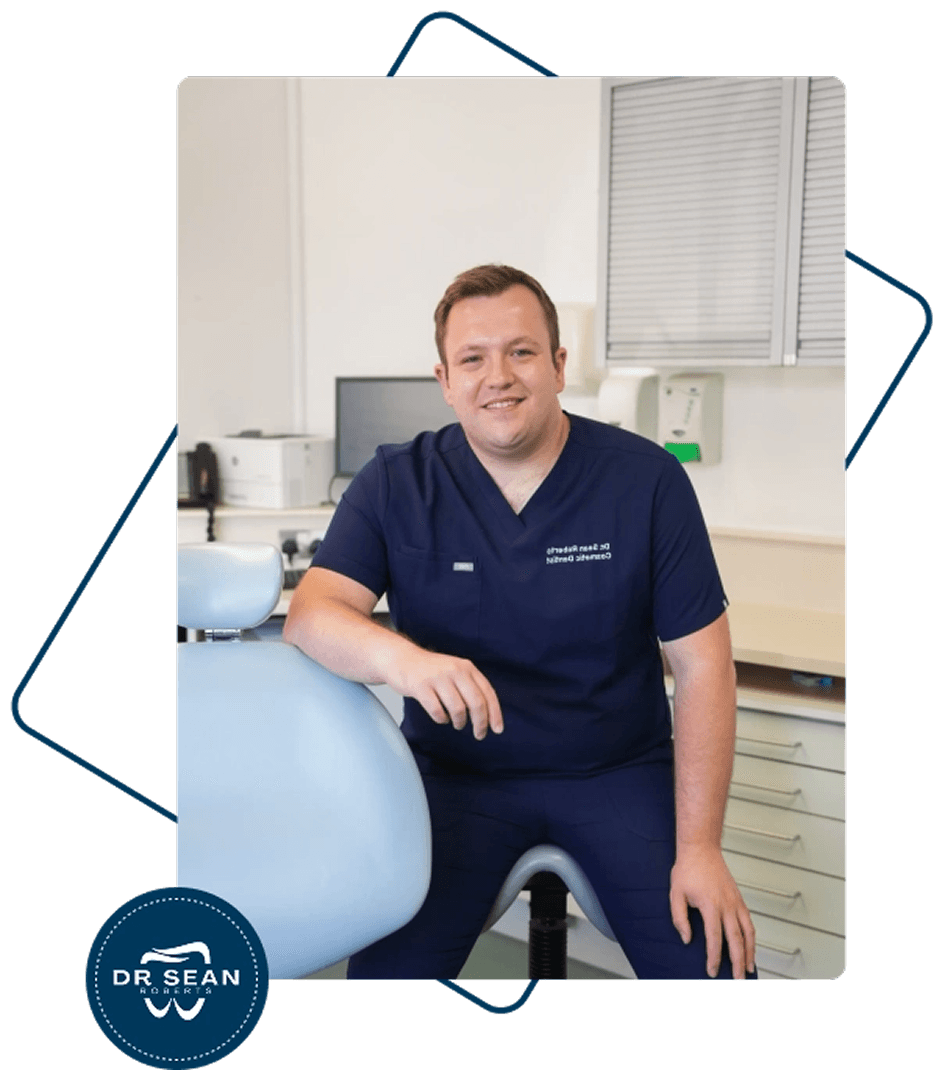
At your assessment, Dr Sean Roberts can discuss which interdental brush sizes are appropriate, how far each should insert, and when floss is a better choice. Expect advice on gentle, short movements and avoiding forcing aids that could traumatise the gum.
If you notice a recurring ledge or stain between specific teeth, mention exactly where it forms and how soon it returns after cleaning. Useful questions include whether to use more than one size in that area, the order of cleaning, and how to check the site feels smooth.
How To Reach Us
How To Reach Us
Set your sat nav to Friars Dental Clinic, Park Avenue, Aberystwyth, SY23 1PB. Check your preferred route and traffic conditions before leaving, and allow time to find the entrance on Park Avenue when you arrive in Aberystwyth.
Bus services and boarding stops from Llandysul can change. Check the latest timetable and your departure stop, then allow time for the onward walk or local connection in Aberystwyth to reach Park Avenue.
Consider whether rail is practical from your origin. If you plan to use trains, check connections to Aberystwyth in advance and factor in the onward journey from the station to Park Avenue.
Booking And Next Steps

Next Steps
To enquire about dental hygiene care or an assessment, contact Friars Dental Clinic on 01970 623 369 or email hello@drsean.dentist. Let the team know your main concern, such as bleeding gums or a hard deposit that will not brush away.
If you feel nervous about dental treatment, tell us when you book so we can discuss your concerns ahead of your visit. Sharing worries early helps you feel well-informed and makes the appointment plan more comfortable for you.
Please remember that cleaning needs depend on individual findings. During your visit, a dental professional will examine your mouth, advise whether professional removal of plaque and tartar is appropriate, and suggest daily oral care tailored to your situation.
FAQ's
Frequently Asked Questions
Tartar is old plaque that has calcified on the tooth. Toothbrush bristles cannot remove it once hardened, so professional cleaning is needed. Keeping plaque low between visits protects gums and teeth.
If you feel a rough ledge, see bleeding, or notice deposits returning quickly, ask for an assessment. A clinician can confirm what it is and advise whether professional removal is suitable.
Both clean where bristles miss. Interdental brushes suit larger gaps; floss or tape can slide through tight contacts. A dental professional can recommend sizes or techniques that fit your mouth safely.
Hard scrubbing can irritate gums and wear enamel. Use gentle, small circles along the gumline for about two minutes with fluoride toothpaste, then spit, not rinse. Consistency beats force.
Driving offers flexibility; set your sat nav to Park Avenue, SY23 1PB. If using public transport, check current bus times from Llandysul and any train connections, then plan the onward journey locally.

Call The Practice
01970 623 369
Email Me
hello@drsean.dentist
Address
Friars Dental Clinic Park Avenue, Aberystwyth, SY23 1PB
All rights reserved © Dr Sean Roberts 2026
website designed and maintained by dentopia marketing
We use cookies to improve your browsing experience. You can accept all, reject all, or manage your preferences. See our Privacy Policy for more details.