By Car
All hygiene appointments take place at Friars Dental Clinic, Park Avenue, Aberystwyth, SY23 1PB. Please check your preferred mapping app for the current route and traffic conditions, and allow time to find the clinic on arrival.

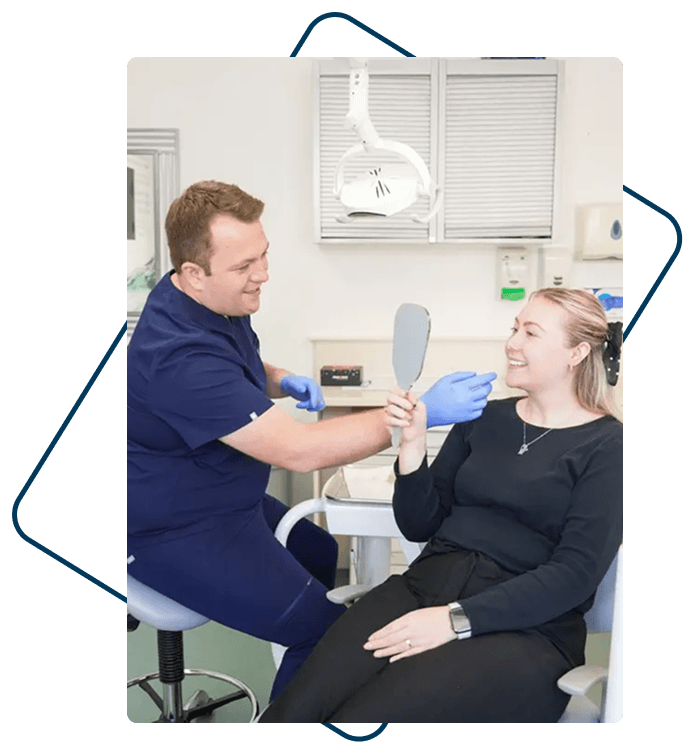
Preventive Dental Care

Dental Hygiene
Dental hygiene advice and professional cleaning for patients from Llanarth, delivered at Friars Dental Clinic in Aberystwyth to help manage plaque, support gum health and keep your mouth feeling fresh. Noticing staining, a rough feel behind the lower front teeth or gums that bleed when you brush can leave you wondering if a professional clean is the right step. A short discussion and oral health assessment will clarify what is happening and the most suitable next actions.
A professional clean focuses on deposits that everyday brushing often cannot shift, while advice on daily oral care targets bacterial plaque that reforms constantly. Understanding this difference helps you decide whether your priority is stain removal, tackling tartar build-up, or addressing signs linked with gum problems.
Your visit can be used to identify where plaque tends to linger, reduce hard deposits that have formed, and receive practical guidance for your home routine. That combined approach keeps attention on both immediate freshness and longer-term protection of gum health and tooth surfaces.
Plaque is a soft, constantly reforming film of bacteria that sticks to teeth. Without effective daily removal, plaque contributes to gum disease and tooth decay. Left undisturbed, it can mineralise into tartar, which grips the tooth surface much more firmly than everyday plaque.
When tartar has formed, normal brushing will not remove it. Professional cleaning is designed to remove plaque and tartar deposits and supports the prevention of gum disease and tooth decay. If you are unsure what you need, ask about hygiene services and the type of cleaning that would be appropriate for you.
People often use the term scale and polish to describe professional removal of deposits and smoothing of tooth surfaces. It is a general description rather than a fixed protocol. The exact approach is decided after an examination, so not everyone will require the same procedure.
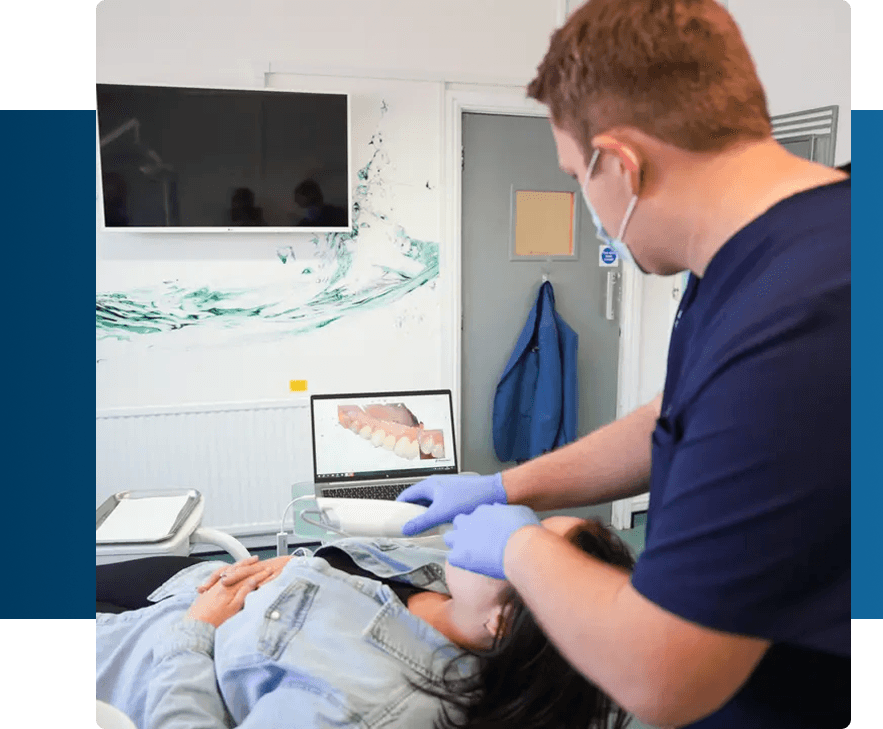
Red, swollen, sore or bleeding gums are signs that warrant professional advice. Occasional spotting after flossing for the first time in a while can settle, but bleeding that continues or returns regularly should be assessed so that the cause and best response can be discussed.
Symptoms are more important than the wish for a cosmetic polish. If your gums are sore, bleed when brushing or look puffy, let the dental team know so that gum health can be prioritised. If staining is your main concern but your gums are healthy, the discussion will be different.
An assessment can identify where plaque tends to accumulate and whether hardened deposits are present below or above the gum line. From there, you will get clear guidance on what professional cleaning, if any, is suitable and which home-care steps can help calm inflamed tissues.
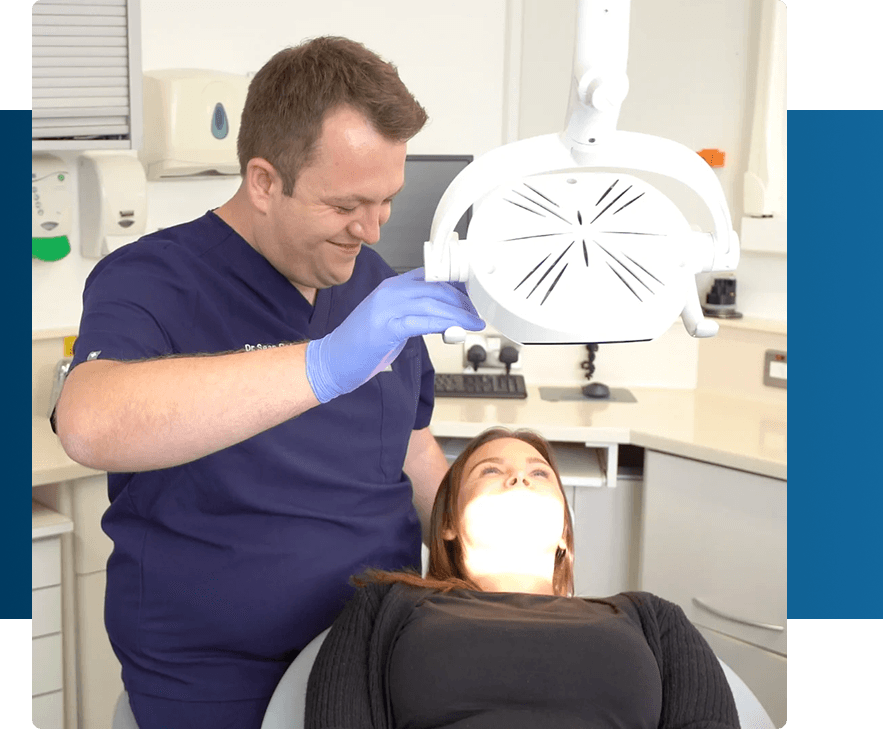
Professional cleaning focuses on carefully removing plaque and tartar that everyday brushing and flossing cannot shift. The aim is to create cleaner tooth surfaces that are easier to keep healthy at home and to support the prevention of gum disease and tooth decay.
The phrase scale and polish simply describes professional removal of hard deposits and smoothing of surfaces where appropriate. It is not a promise that every patient will receive the same procedure. After a check of your mouth, the clinician will advise on the most suitable type of cleaning.
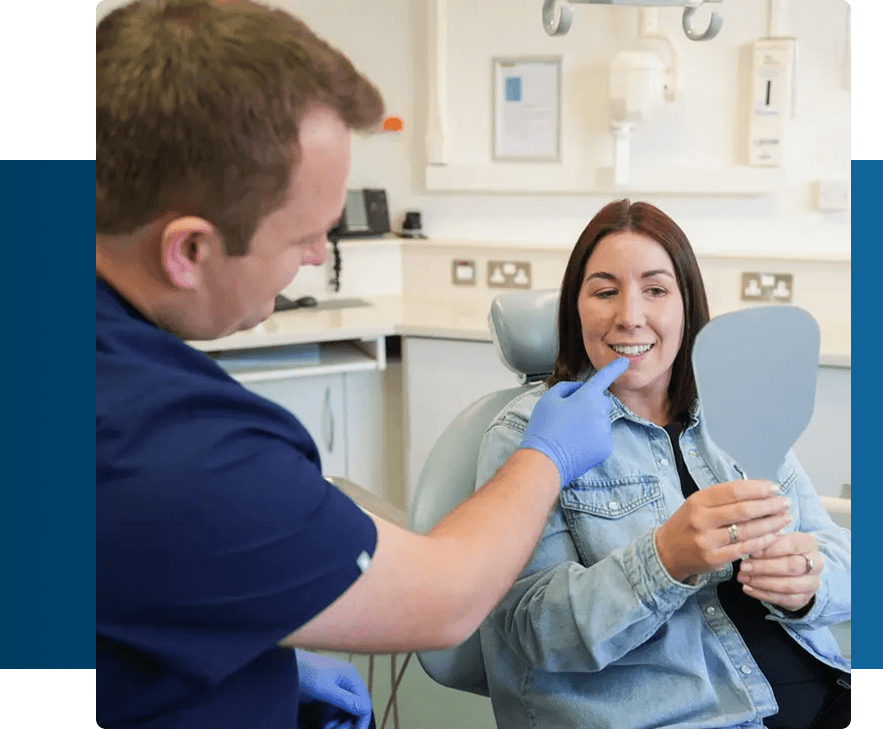
Brushing your teeth twice a day for about two minutes with fluoride toothpaste helps control plaque and protect the tooth surface. Fluoride strengthens enamel, while thorough brushing disturbs the soft plaque before it has the chance to harden on your teeth.
Cleaning between your teeth with floss or interdental brushes removes food, debris and plaque from places a toothbrush cannot reach. These tight or wider spaces vary from person to person. A dental professional can recommend suitable ways to clean between your teeth for your situation.
After brushing, spit out excess toothpaste rather than rinsing immediately with water or mouthwash. Rinsing washes away concentrated fluoride left by the paste, reducing its benefit. Try to brush last thing at night and on one other occasion during the day.
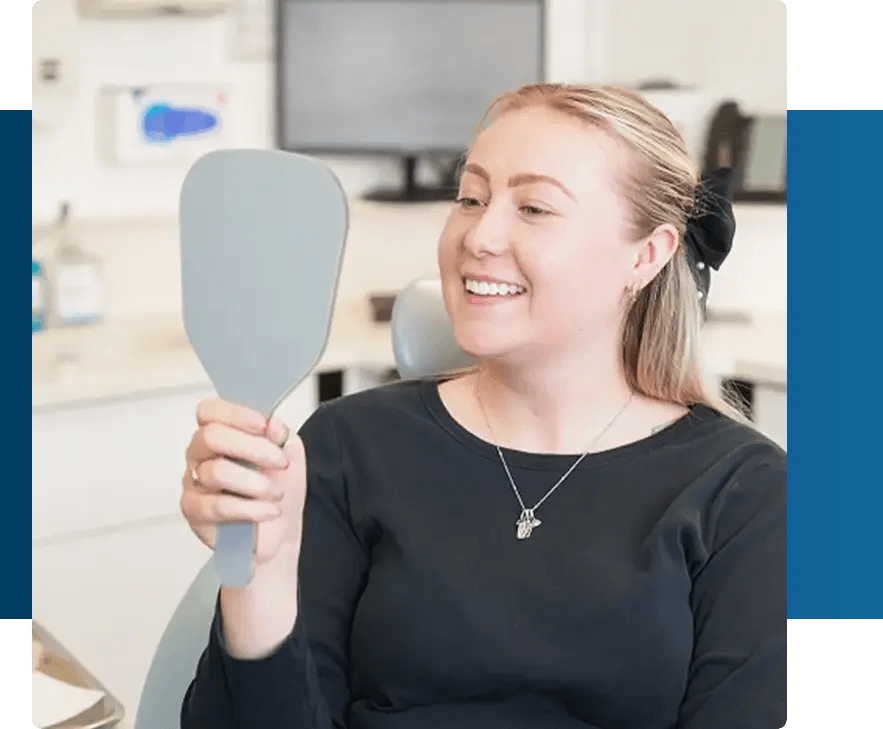
The right interval for dental check-ups depends on your individual oral health and risk, not an automatic six-month schedule. Your clinician will suggest a timeframe that reflects your gum health, plaque levels and lifestyle, and can adjust that recommendation as things change.
Everyday choices matter. Not smoking supports gum health, and limiting sugar intake reduces the risk of decay. Combined with effective brushing and interdental cleaning, these habits help your mouth stay healthier between professional visits and make each clean more effective.
If you feel nervous about treatment, mention this when booking so your concerns can be discussed. Sharing worries early allows the team to explain what will happen and discuss options that feel manageable.
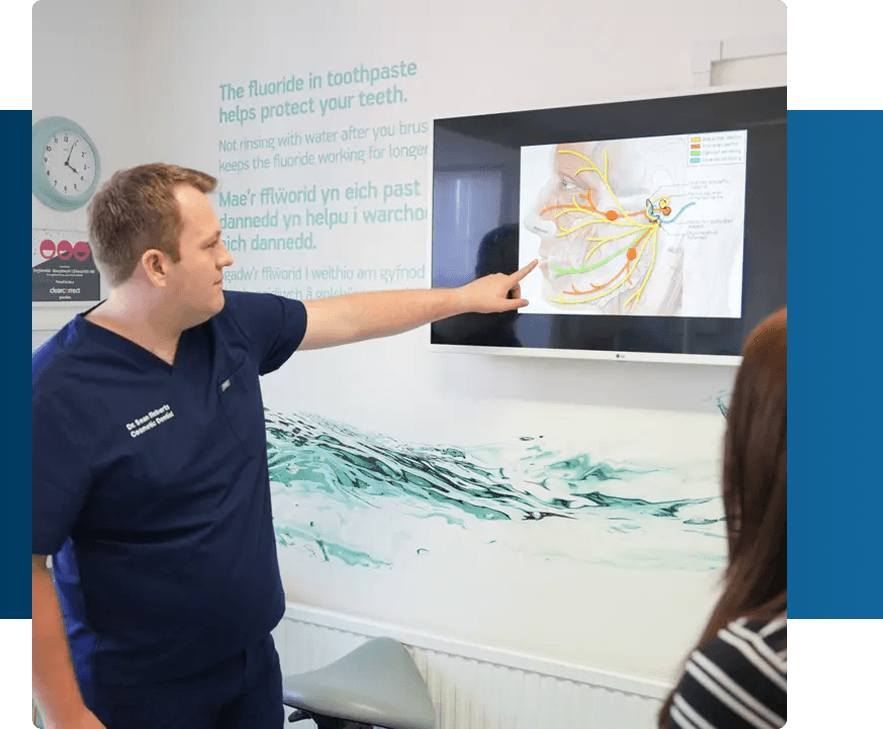
Practical Prevention
Dental Hygiene
BDS Manchester, 2018
If you are wondering whether you need a professional clean, ask targeted questions: Which areas show tartar that I cannot remove at home, and which areas mainly need better daily technique? The answer guides whether a clinical clean, home-care changes or both are most beneficial.
Clarify suitability: Is scaling appropriate around my specific teeth and any existing fillings or crowns, or would targeted advice on interdental cleaning be enough right now? A dental professional can also suggest the most suitable interdental tools for your mouth.
Check next steps: After cleaning, what signs should I look for that indicate improving gum health, and when should I return for review? You may also want to note questions to discuss with Dr Sean Roberts during your visit.
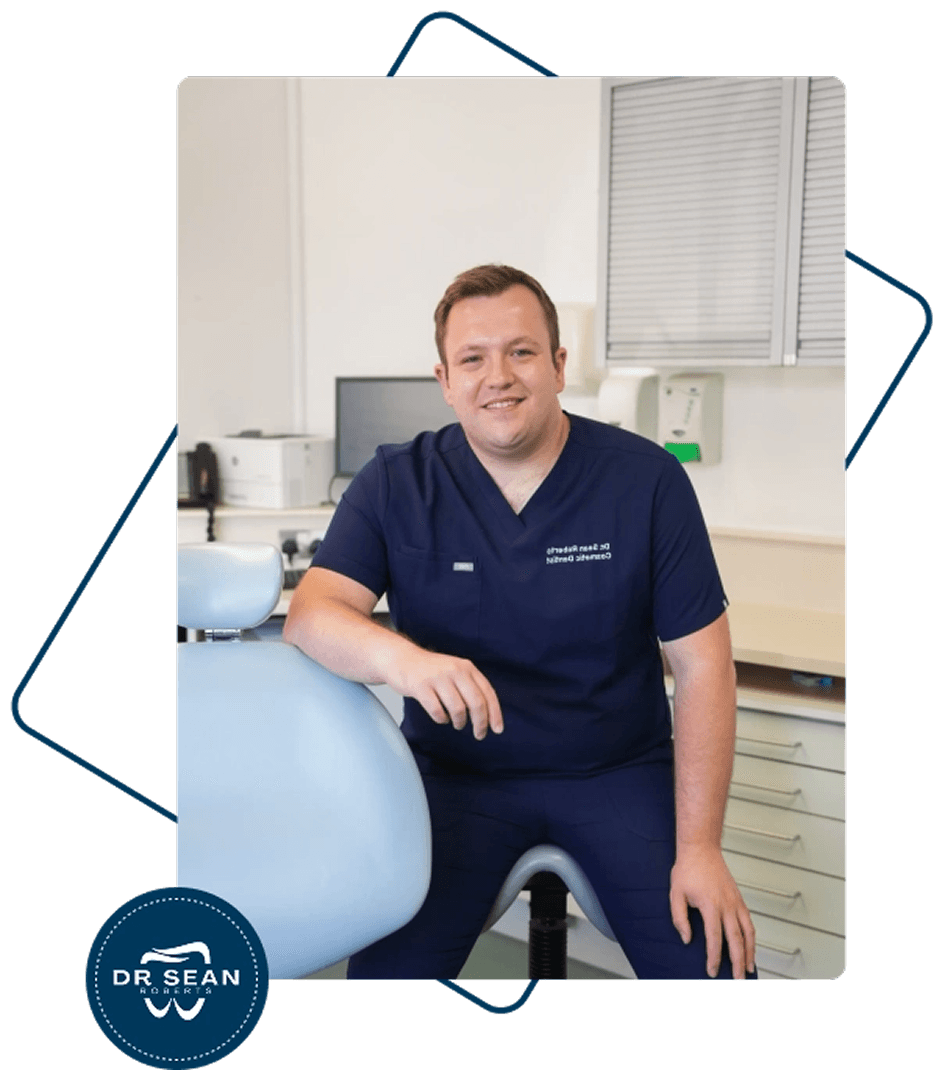
How To Reach Us
How To Reach Us
All hygiene appointments take place at Friars Dental Clinic, Park Avenue, Aberystwyth, SY23 1PB. Please check your preferred mapping app for the current route and traffic conditions, and allow time to find the clinic on arrival.
Bus options vary. Check the current service and boarding stop in Llanarth, then allow time for any onward walk or transfer in Aberystwyth to reach Park Avenue. Timetables and routes can change, so confirm on the day of travel.
Consider whether rail to Aberystwyth suits your journey, as not every origin has a nearby station. If you choose rail, check connections and the final walking route or local transport to Park Avenue before setting off.
Booking And Next Steps

Next Steps
If you would like advice about professional cleaning or gum symptoms, please contact Friars Dental Clinic. A short conversation helps determine whether you should book a check with cleaning or begin with an assessment focused on gum health.
To get started, call 01970 623 369 or email hello@drsean.dentist. If you are unsure what you need, mention your main concern such as bleeding gums, tartar you can feel, or staining, and the team will help you choose the right appointment type.
Before your visit, it can help to note where bleeding or tenderness occurs and what you find hardest to clean at home. Bringing these points to your assessment makes the discussion focused and your plan more practical.
FAQ's
Frequently Asked Questions
Brushing disrupts soft plaque, but once plaque hardens into tartar it binds to tooth surfaces and will not come off with home tools. A professional clean targets this hardened build-up and persistent plaque deposits to make teeth easier to maintain.
Scaling is considered when tartar is present or where plaque deposits persist despite good technique. If gums are inflamed or bleeding, a clinical clean is often advised. Your dentist will assess and suggest whether professional removal or refined home care, or both, are needed.
Your brush removes daily plaque but does not lift off hardened tartar. Professional cleaning uses instruments to detach these deposits and smooth surfaces where appropriate, helping reduce areas where bacteria collect so your home routine works better.
Ask whether bleeding or soreness means gum health should be prioritised, where tartar is located, and which interdental tools suit your mouth. It is also helpful to ask how your review interval will be decided based on your individual risk.
Check your driving route to Park Avenue, Aberystwyth, SY23 1PB before setting off. If using the bus, confirm the current Llanarth boarding stop and any connections. For rail, check whether trains to Aberystwyth fit your plans and the final route to the clinic.

Call The Practice
01970 623 369
Email Me
hello@drsean.dentist
Address
Friars Dental Clinic Park Avenue, Aberystwyth, SY23 1PB
All rights reserved © Dr Sean Roberts 2026
website designed and maintained by dentopia marketing
We use cookies to improve your browsing experience. You can accept all, reject all, or manage your preferences. See our Privacy Policy for more details.