By Car
Friars Dental Clinic, Park Avenue, Aberystwyth, SY23 1PB. Plan your route in advance and allow time to navigate town traffic near Park Avenue. Your sat nav will guide you to the postcode and final turnings.

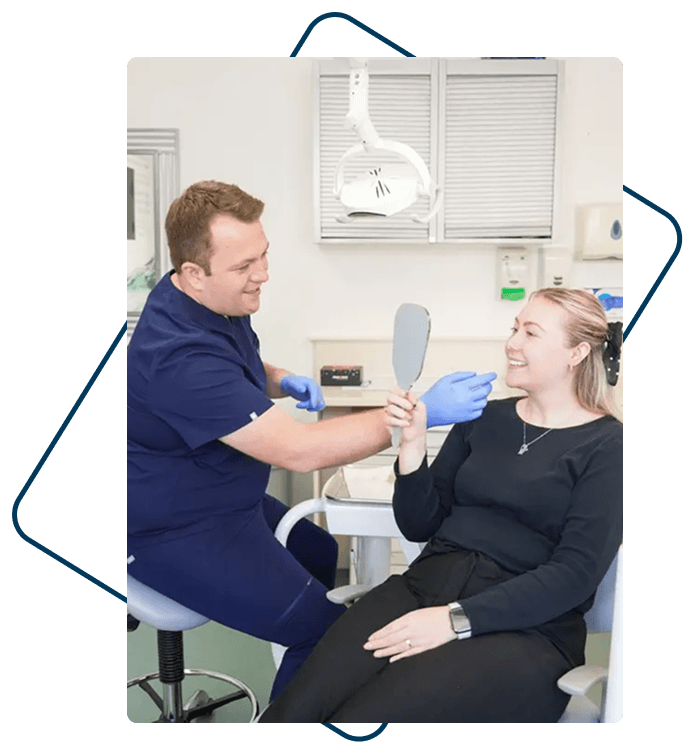
Preventive Dental Care

Dental Hygiene
Travelling from Llanafan Fawr to Aberystwyth for dental hygiene is a practical way to tackle plaque, tartar and gum concerns with prevention-led care and clear, everyday advice. You might have noticed a rough patch behind a lower front tooth, a stain that will not shift, or gums that bleed when you brush. These are common prompts to ask about dental hygiene. This page explains what plaque and tartar mean, how professional cleaning can help, and what you can do at home.
Plaque is constantly forming, so even careful brushers sometimes see deposits gather in hidden spots. Daily care controls most soft plaque, but hardened tartar often needs professional attention. Understanding the difference helps you decide what to mention first at your assessment and which home-care habits deserve focus.
If you feel unsure where to start, bring simple notes: where deposits recur, which teeth bleed, and what you have already tried. This makes your assessment more specific and helps tailor advice to your mouth rather than relying on a one-size-fits-all routine.
Plaque is a soft film of bacteria that forms on teeth and along the gumline. Left undisturbed, it contributes to tooth decay and gum disease. Tartar forms when plaque hardens and attaches firmly to teeth, which is why normal brushing cannot remove it once it has mineralised.
Professional cleaning physically removes plaque and tartar in ways a toothbrush cannot. Reducing these deposits helps prevent gum disease and tooth decay over time. At Friars Dental Clinic, our hygiene services focus on effective removal of these build-ups where appropriate and on practical prevention that fits your day-to-day routine.
It is also useful to separate what you can see from what you can feel. You may notice visible staining without gum soreness, or you may have bleeding gums even when teeth look clean. Describing both appearance and symptoms helps target the right areas for advice and removal.
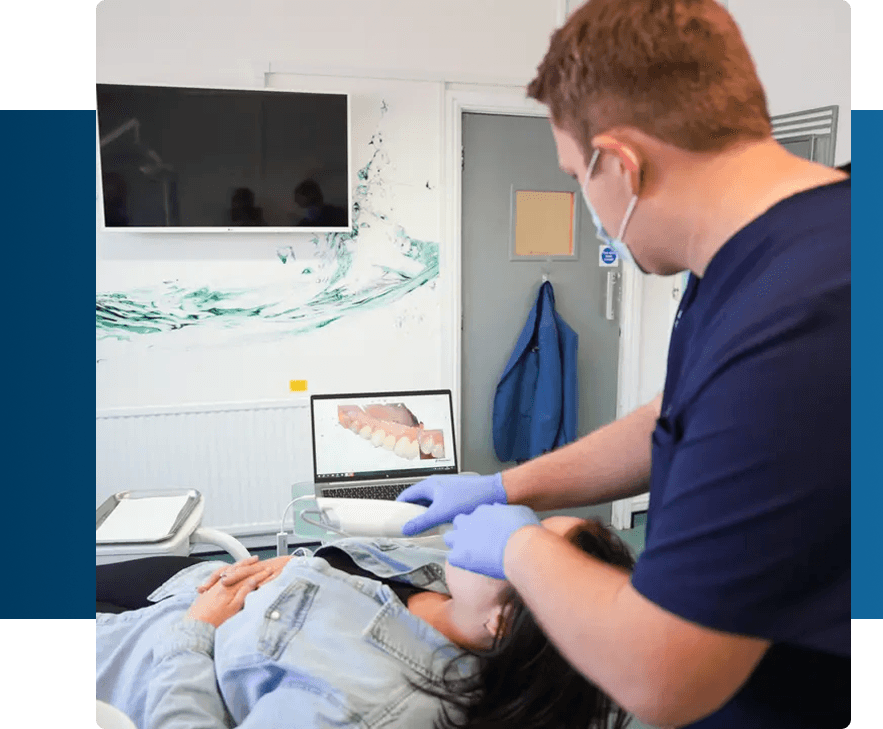
Gums that are red, swollen, sore or bleed when brushing can indicate gum disease. If you notice any of these, it is sensible to arrange a dental assessment. Saying which sites bleed and how often you spot blood on your toothbrush gives helpful context for your clinician.
Not all gum problems come with pain. Some people only notice a slightly puffy edge to the gum or bleeding after flossing. Others feel a roughness near the gumline that collects food. Mentioning these details supports a well-informed discussion and helps decide whether professional cleaning is indicated.
If you wear retainers, have tight contacts, or find food traps near existing fillings or crowns, note these too. Traps do not always mean decay, but they are spots where plaque gathers quickly. A professional assessment can identify whether removal, adjustment, or home-care changes are advised.
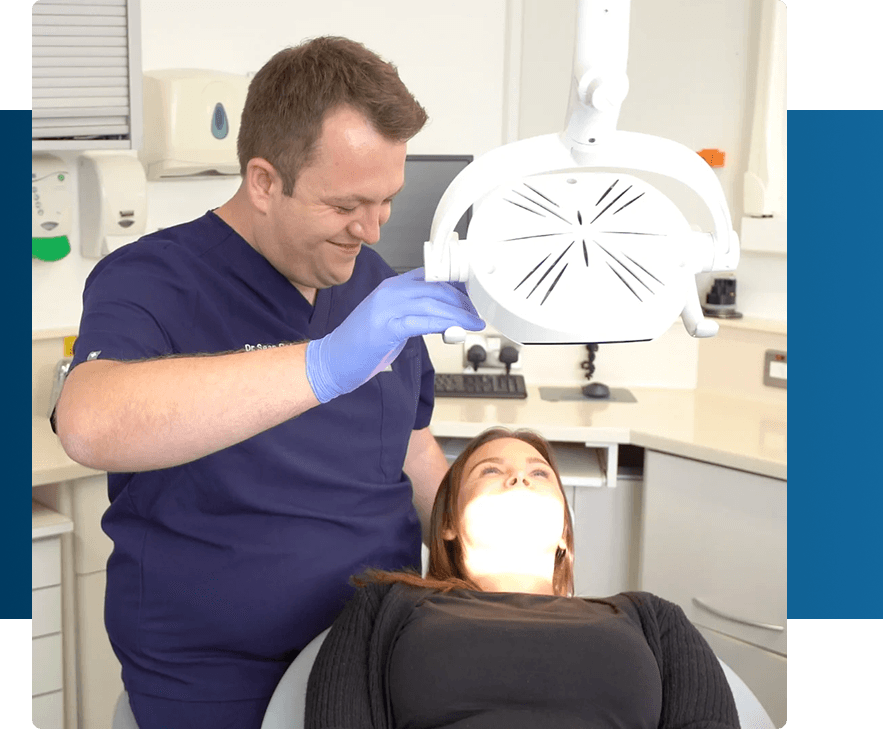
A professional clean focuses on safely removing plaque and tartar that daily brushing cannot shift, then polishing as appropriate. The exact approach depends on your mouth, your gum health and where deposits sit. The goal is cleaner tooth surfaces and clearer guidance for your daily oral care.
You may hear the term scale and polish, which means professionally removing plaque and tartar before smoothing the teeth. Not every person needs the same procedure at every visit. Your assessment determines what is suitable for you rather than following a fixed protocol.
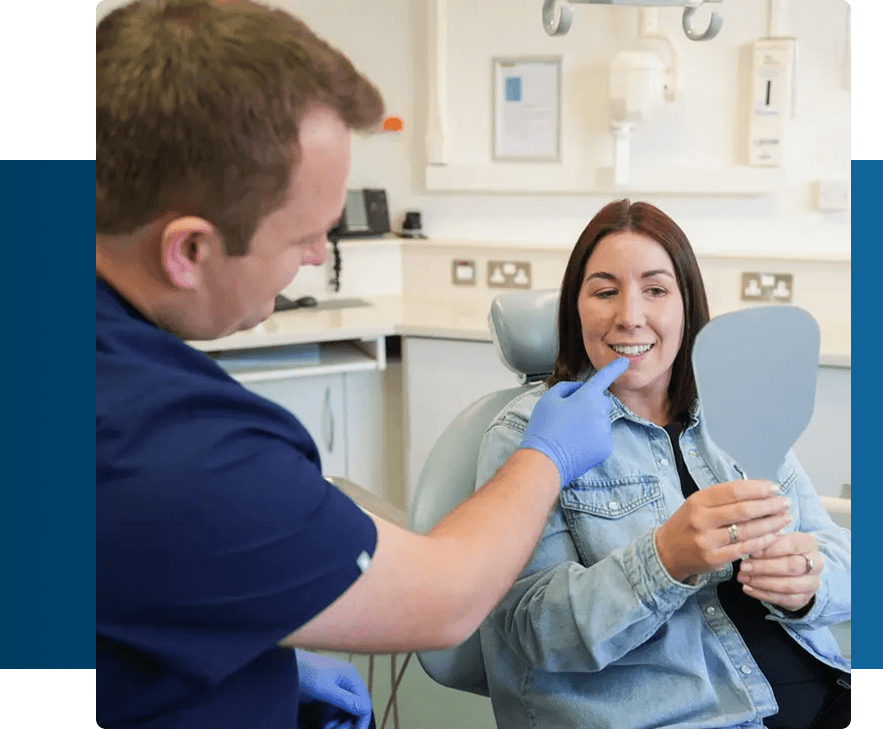
Brushing twice a day for about two minutes with fluoride toothpaste helps control plaque and protect enamel. Use a gentle, systematic approach along the gumline. After brushing, spit out excess foam rather than rinsing straight away so more fluoride remains on your teeth.
Cleaning between teeth removes food, debris and plaque from areas a toothbrush cannot reach. Floss, tape or interdental brushes are all useful depending on space size and shape. A dental professional can recommend suitable ways to clean between your teeth based on your individual needs.
If bleeding occurs when you first start cleaning between teeth, it may be a sign of inflamed gums where plaque has gathered. Continue gently and seek advice if bleeding persists. Avoid scrubbing hard, which can irritate gums without improving plaque removal in tight spaces.
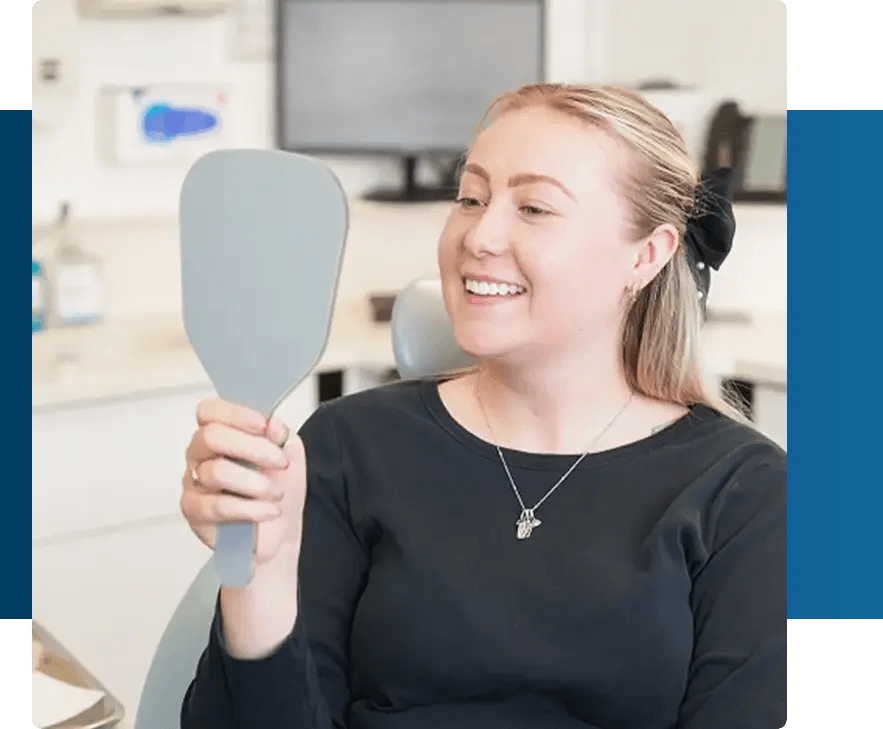
Check-up intervals are not the same for everyone. The timing depends on your oral health and risk of problems, not a universal six-month schedule. After your assessment, your dentist will advise when it is appropriate to return and what to focus on at home between visits.
Small daily choices matter. Limiting how often you have sugary foods and drinks can help protect teeth from decay, while not smoking supports gum health. These habits complement professional cleaning and improve the long-term stability of your gums and teeth.
To make your appointment more productive, consider asking: which areas are most at risk, what signs would mean you should get in touch sooner, and what size or type of interdental aid is best for each space. Clear, simple goals can make home care easier to maintain.
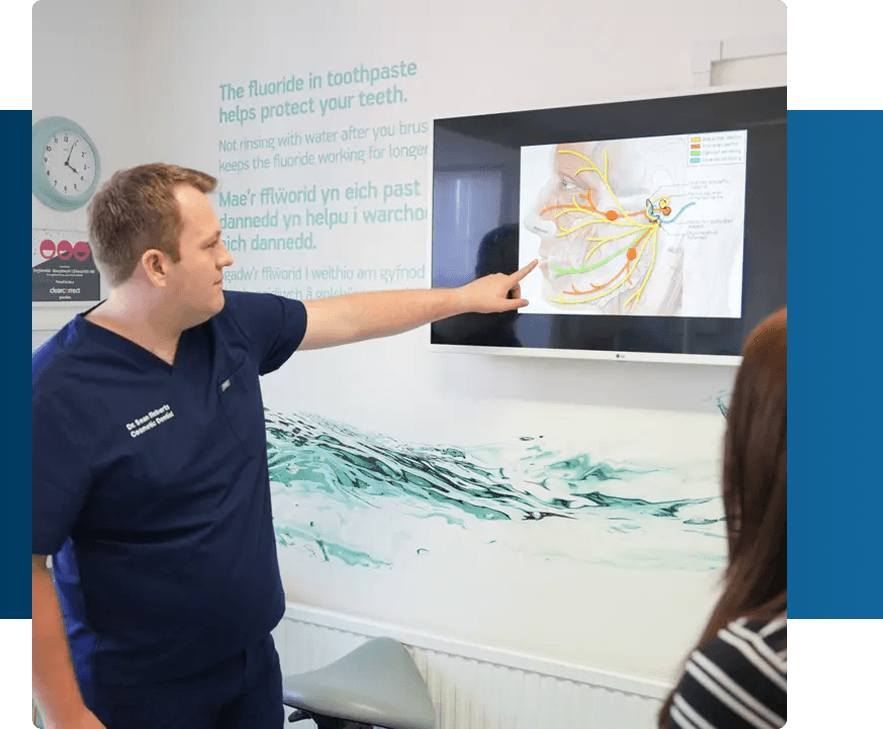
Practical Prevention
Dental Hygiene
BDS Manchester, 2018
Selecting interdental aids is about fit and technique. Tight contacts often suit floss or tape that hugs the tooth surface, while slightly larger gaps usually work better with interdental brushes that pass through with gentle resistance. Never force a tool; choose the smallest size that fits comfortably.
Spaces differ around the mouth. The inside surfaces of lower front teeth and the back molars collect plaque quickly. Under bridge units or around attachments may need threaded floss or a specific brush size. A dental professional can show you how to angle the aid so it cleans the gumline effectively.
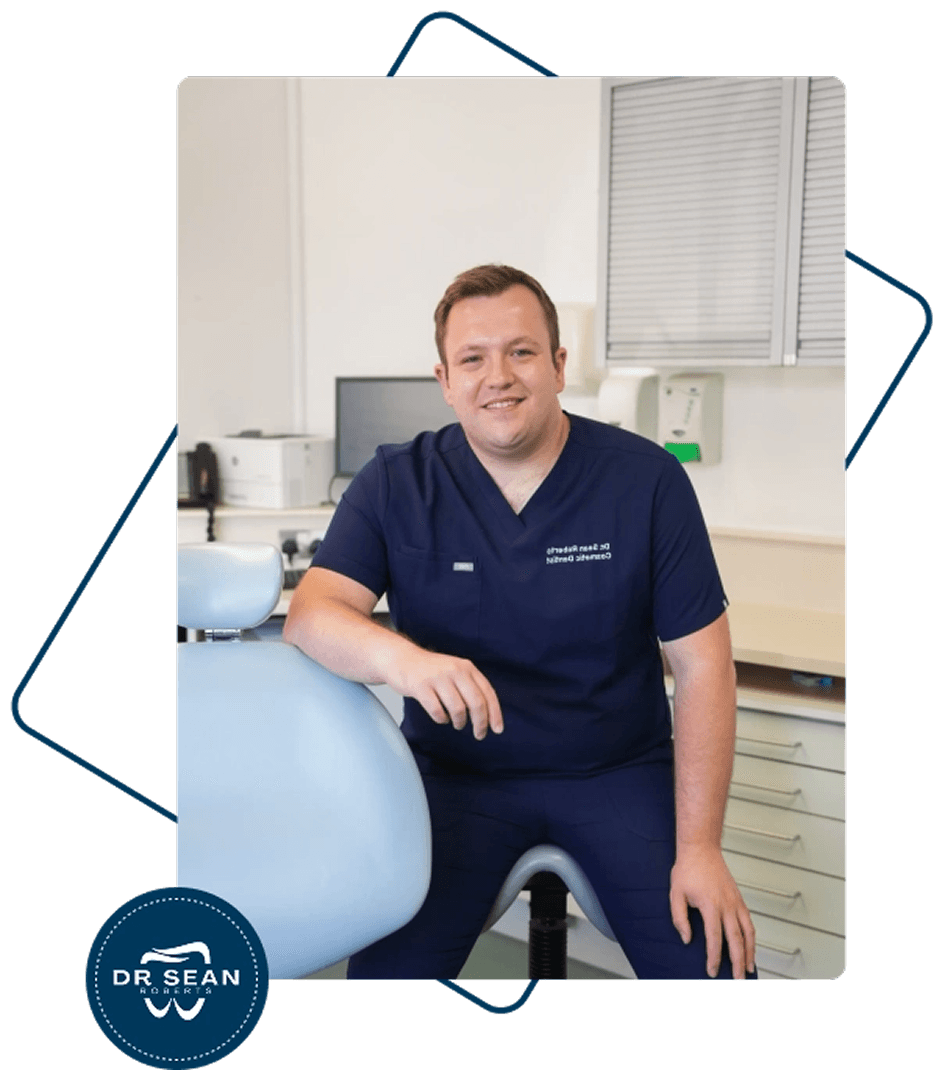
If you are unsure which tool to try first, bring your questions to your assessment. Mention where bleeding starts and which sites trap food. Dr Sean Roberts can discuss individual recommendations during your consultation so you leave confident about what to use and how often.
How To Reach Us
How To Reach Us
Friars Dental Clinic, Park Avenue, Aberystwyth, SY23 1PB. Plan your route in advance and allow time to navigate town traffic near Park Avenue. Your sat nav will guide you to the postcode and final turnings.
Check current services from Llanafan Fawr, including the correct boarding stop and any connections into Aberystwyth. Allow extra time for the onward walk from your final stop to Park Avenue.
Consider whether rail suits your journey. If travelling by train to Aberystwyth, factor in the time needed to continue to Park Avenue from the station via local transport or a short onward walk.
Booking And Next Steps

Next Steps
If you are ready to discuss plaque, tartar or bleeding gums, contact Friars Dental Clinic on 01970 623 369 or email hello@drsean.dentist. Mention the areas that worry you most and any recent changes you have noticed when brushing or cleaning between teeth.
Your assessment will focus on your current gum health and where deposits are most likely to build up. From there, professional cleaning can be planned if appropriate, and you will receive practical guidance to support your daily routine and protect your teeth between visits.
If you feel nervous about dental care, please say so when you book so we can discuss your concerns in advance. Bringing a short list of questions and your toothbrush or interdental aids can make the conversation clearer and your home care easier to follow.
FAQ's
Frequently Asked Questions
Hardened tartar is mineralised plaque attached to teeth. It cannot be removed by normal brushing, so professional cleaning is usually needed. Reducing tartar build-up helps protect gum health and makes daily brushing more effective.
Seek an assessment if you feel rough deposits, notice staining that will not shift, or your gums bleed. A clinician can confirm where removal is appropriate and advise on preventing new build-up.
It depends on the space. Tight contacts often suit floss or tape, while slightly larger gaps typically clean better with interdental brushes. A dental professional can recommend the right sizes and technique for different areas of your mouth.
No. Brushing harder can irritate gums without improving plaque removal. Aim for a gentle, thorough technique for about two minutes with fluoride toothpaste and clean between teeth where a brush cannot reach.
Plan the route ahead. You can travel by car to Park Avenue, use local bus services with any needed connections, or take a train into Aberystwyth and continue to the clinic for your appointment.

Call The Practice
01970 623 369
Email Me
hello@drsean.dentist
Address
Friars Dental Clinic Park Avenue, Aberystwyth, SY23 1PB
All rights reserved © Dr Sean Roberts 2026
website designed and maintained by dentopia marketing
We use cookies to improve your browsing experience. You can accept all, reject all, or manage your preferences. See our Privacy Policy for more details.