By Car
Friars Dental Clinic is at Park Avenue, Aberystwyth, SY23 1PB. Plan your route before you set off and allow time to navigate local traffic near the town centre on arrival.

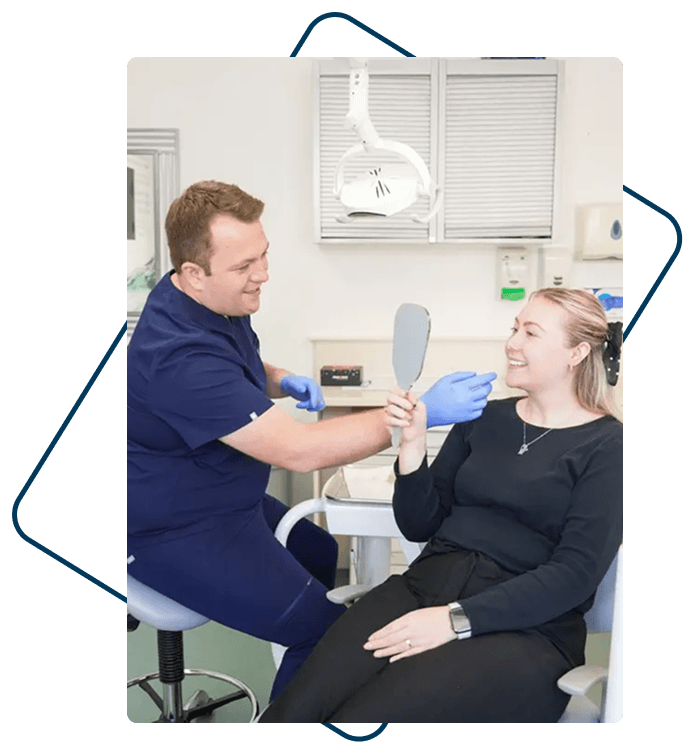
Preventive Dental Care

Dental Hygiene
If plaque or tartar worries you, this dental hygiene guide supports patients from Lampeter travelling to Friars Dental Clinic in Aberystwyth with clear next steps and practical care. You might have noticed a rough patch behind the lower front teeth or along the gumline that never feels smooth after brushing. If so, you are not alone, and there are clear steps you can take.
Start by knowing what you are looking for. Plaque is a soft, sticky film that forms on teeth every day. If it is not thoroughly removed, minerals in saliva can harden it into tartar, which is much tougher. Understanding that difference helps you decide when a professional clean is relevant.
This page explains the role of daily oral care and when a clinical clean may help, alongside signs that warrant an individual assessment. It is designed to help you make a well-informed enquiry before travelling to our Aberystwyth clinic.
Plaque is a film of bacteria that accumulates on teeth and contributes to gum disease and tooth decay. Brushing and cleaning between teeth control plaque, but once tartar forms, it bonds to the tooth surface and will not lift with brushing alone.
Tartar (sometimes called calculus) often feels grainy or looks yellow or brown at the gumline. Because it is firmly attached, it typically requires professional removal. At the clinic, professional cleaning is provided within the clinic's hygiene services to help clear stubborn buildup that home care cannot shift.
Left undisturbed, plaque and tartar can irritate the gums and make cleaning more difficult, creating a cycle of inflammation and further deposits. A timely clean helps you break that cycle so your home care can work effectively again.
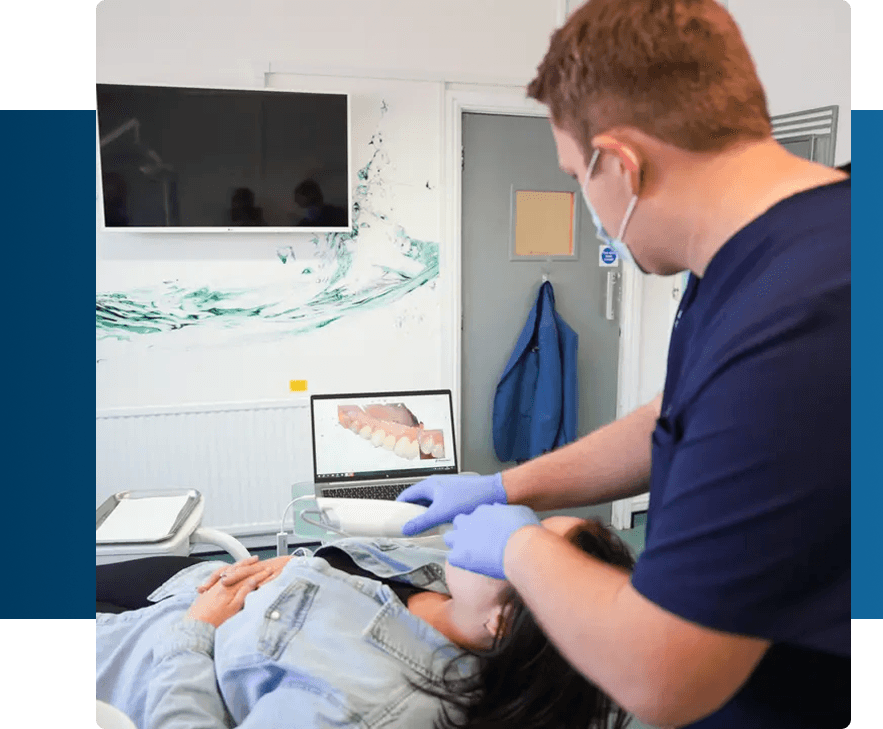
Healthy gums should not bleed persistently when you brush. Red, swollen, sore or bleeding gums can be signs of gum disease and are reasons to seek a dental assessment rather than waiting to see if they settle on their own.
It is possible to see visible tartar but have few symptoms, and it is also possible to have gum symptoms without obvious deposits. Symptoms alone do not confirm the extent of any problem, which is why an individual check is important.
If you experience ongoing bleeding, tenderness when flossing or a bad taste that does not resolve, make a note of where you notice it most. Sharing these details at your assessment helps target advice and cleaning to the right areas.
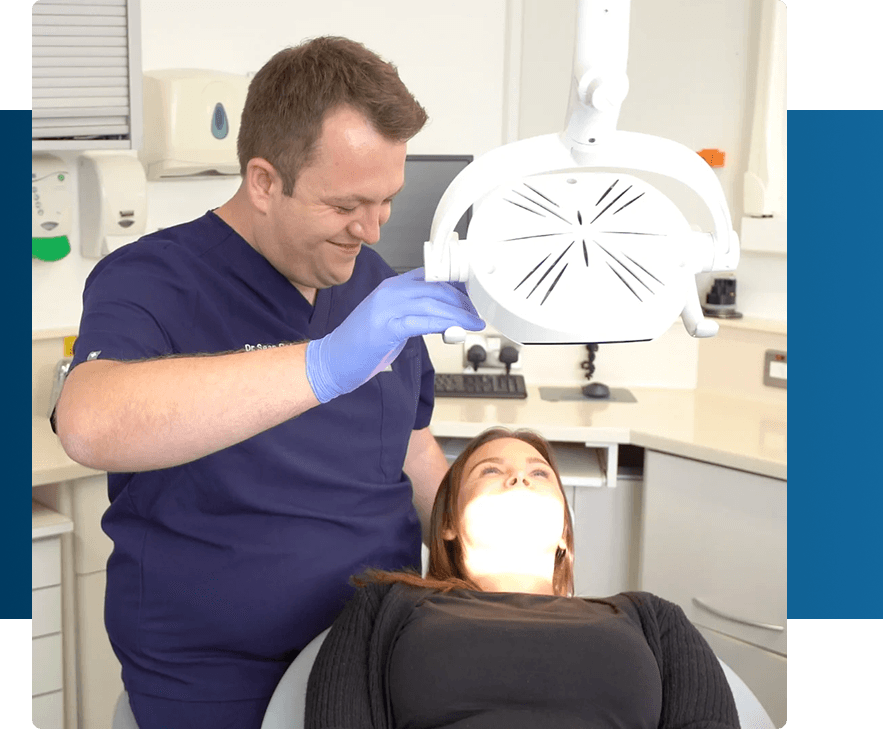
The General Dentistry information for our clinic explains that hygiene appointments include professional cleaning to remove plaque and tartar. This supports the prevention of gum disease and tooth decay by reducing the bacterial load and providing cleaner surfaces for daily care.
You may hear the term scale and polish used generally to describe professional removal of plaque and tartar, followed by smoothing of tooth surfaces. Not every patient needs the same approach each time, so any cleaning is tailored to clinical findings rather than a fixed routine.
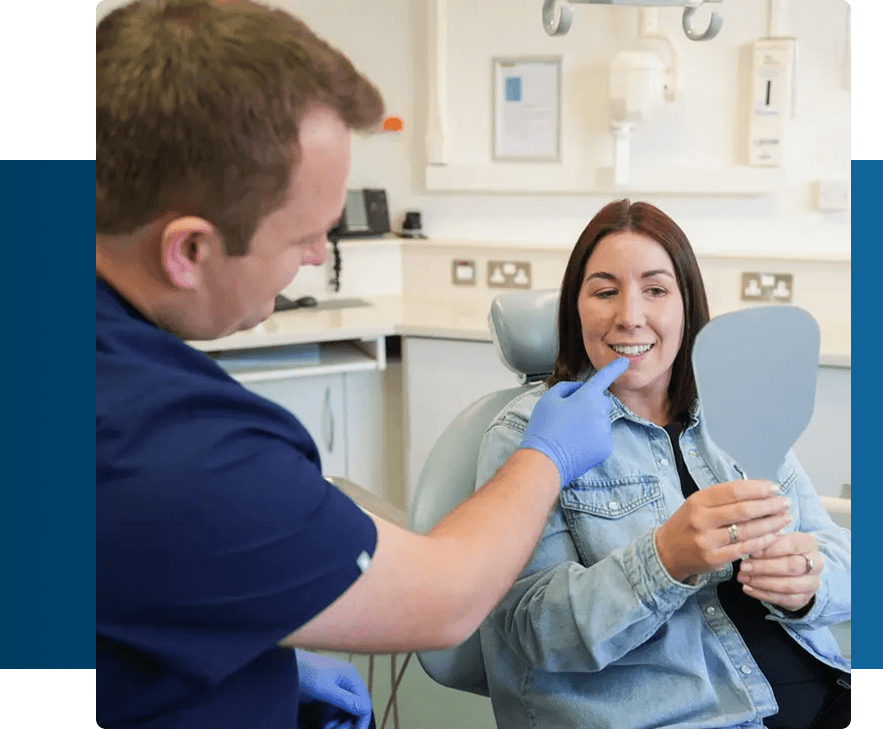
Brushing twice a day for about two minutes with fluoride toothpaste helps control plaque and protect teeth. After brushing, spit out excess toothpaste rather than rinsing immediately. This keeps more fluoride on the teeth for ongoing protection.
Plaque also collects between teeth where bristles cannot always reach. Cleaning between teeth with floss or interdental brushes helps remove trapped food, debris and plaque from these spaces and supports gum health.
A dental professional can recommend the most suitable way to clean between your teeth, since the ideal method and size can vary from one gap to the next. Small technique adjustments often make a big difference to results.
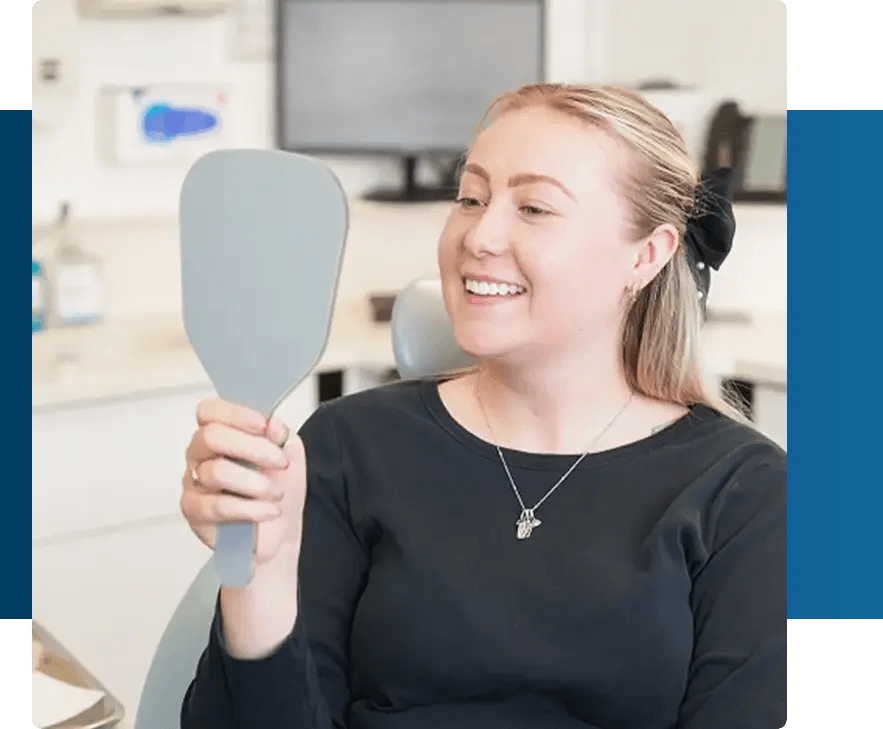
There is no universal six-month rule for reviews. Check-up intervals depend on your individual oral health and risk. After an assessment, you will be advised on an interval that reflects your needs and helps maintain stability.
Everyday choices support what happens in the chair. Not smoking benefits gum health, and limiting how often you have sugary food or drink helps protect against tooth decay. These habits work alongside regular cleaning.
If you often feel roughness building in the same spot, ask what might be causing it and which tool is best for that area. You can also ask whether your brushing technique is leaving a particular edge or surface less clean than intended.
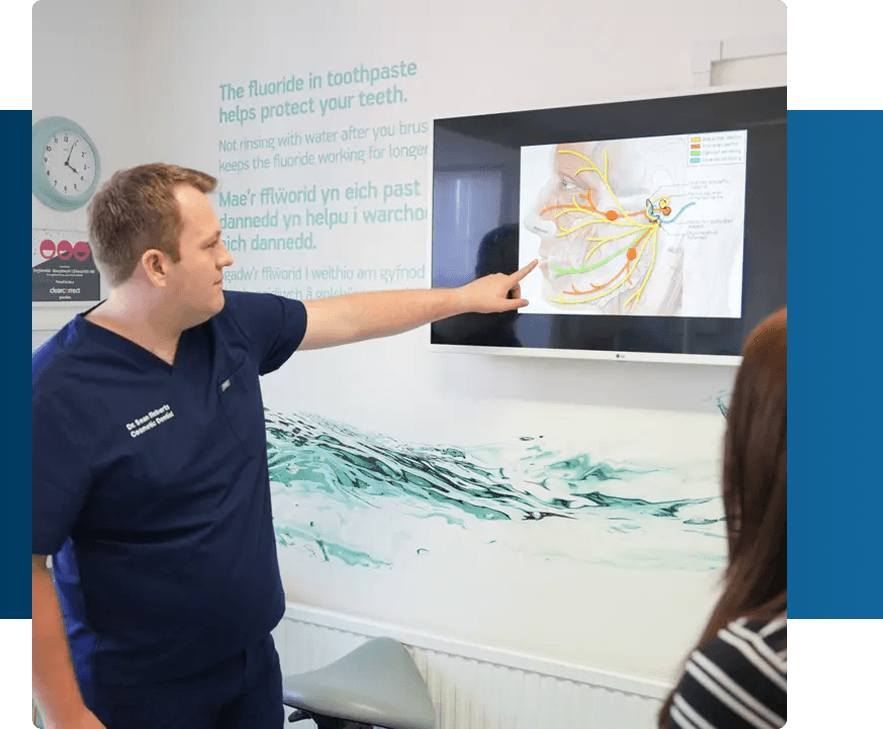
Practical Prevention
Dental Hygiene
BDS Manchester, 2018
Tight contacts, triangular gaps and crowded teeth collect plaque in different ways. Interdental brushes come in multiple sizes. The aim is to choose the largest size that passes without forcing it, so bristles contact the sides of both teeth and lift plaque effectively.
If a space is too tight for a brush, unwaxed floss or tape may slide through more easily. In contrast, a larger gap near the gums might need a wider brush head. A dental professional can advise on a combination that suits your particular pattern of spaces.
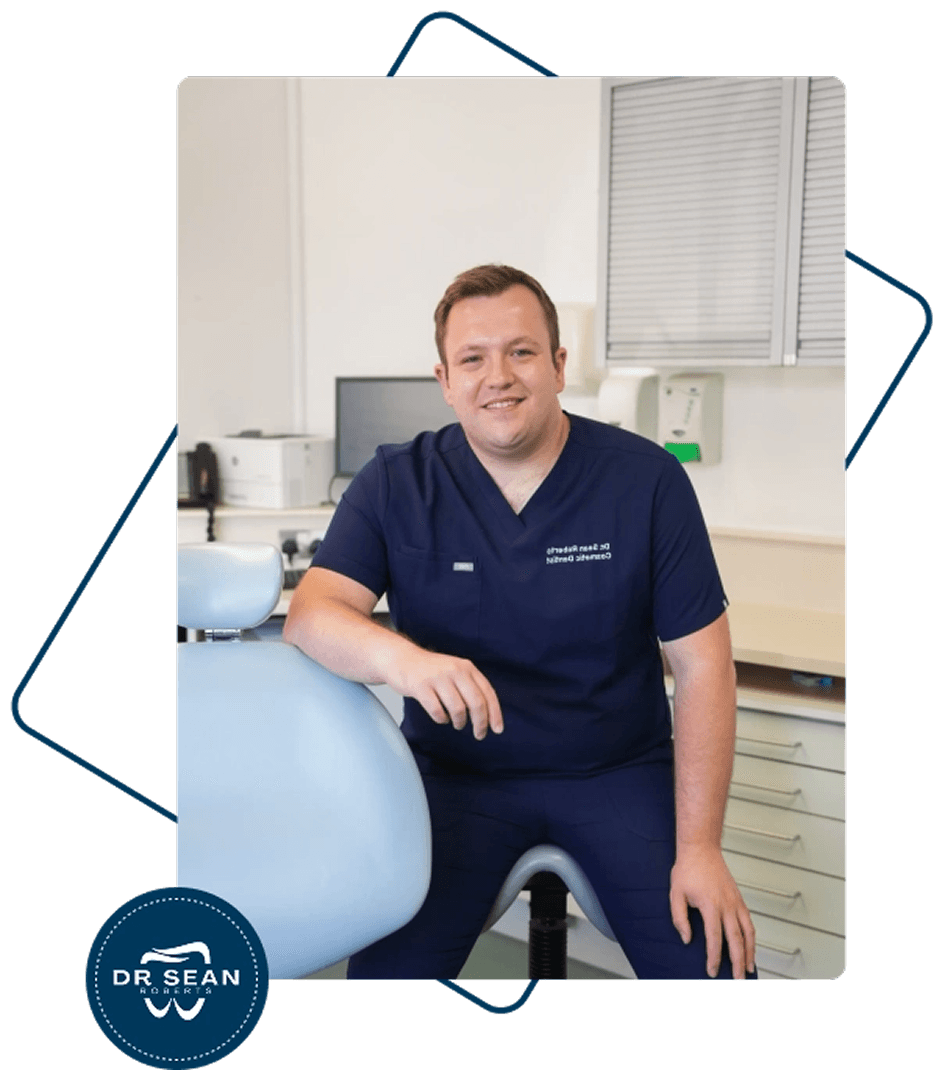
If you are unsure where to start, bring your usual tools to your assessment and ask which sizes reach best. Dr Sean Roberts can discuss how to approach tricky areas like the backs of lower front teeth, where tartar often returns, and how to angle brushes safely around fillings or crowns without snagging.
How To Reach Us
How To Reach Us
Friars Dental Clinic is at Park Avenue, Aberystwyth, SY23 1PB. Plan your route before you set off and allow time to navigate local traffic near the town centre on arrival.
If you are travelling from Lampeter, check current bus services and your boarding stop before the day. On arrival in Aberystwyth, allow time for the short onward journey to Park Avenue.
Check whether rail is suitable from your starting point, as some journeys require connections via larger towns. You will need an onward trip within Aberystwyth to reach Park Avenue from the station.
Booking And Next Steps

Next Steps
If you can feel a rough deposit or see staining that does not brush away, you can enquire about a hygiene assessment to discuss a suitable clean and practical steps to improve day-to-day plaque control.
To ask about availability or to book, contact Friars Dental Clinic on 01970 623 369 or email hello@drsean.dentist. Please mention any symptoms, such as bleeding or soreness, so the team can note your concerns.
If you feel nervous about dental treatment, tell us when you get in touch so your concerns can be discussed in advance. You can also ask what to expect at the visit and which areas will be prioritised first.
FAQ's
Frequently Asked Questions
Hardened tartar is mineralised plaque that sticks to teeth. It can irritate gums and make home cleaning less effective. A professional clean removes it so brushing and interdental cleaning can work properly again.
Ask for an assessment if you can feel persistent roughness, see deposits at the gumline, or notice bleeding that continues despite careful brushing. Leaving tartar in place typically allows more plaque to collect.
Use what fits each space. Interdental brushes are effective when they pass without force and the bristles contact both tooth surfaces. If a space is too tight, floss or tape may be more suitable.
No. Harder brushing risks gum recession and enamel wear. Aim for thorough, gentle brushing for two minutes with fluoride toothpaste, and add interdental cleaning to reach the areas bristles might miss.
Decide your travel mode first, then check current timetables or driving routes. Build in time for the final leg to Park Avenue in Aberystwyth and for any changes if you use public transport.

Call The Practice
01970 623 369
Email Me
hello@drsean.dentist
Address
Friars Dental Clinic Park Avenue, Aberystwyth, SY23 1PB
All rights reserved © Dr Sean Roberts 2026
website designed and maintained by dentopia marketing
We use cookies to improve your browsing experience. You can accept all, reject all, or manage your preferences. See our Privacy Policy for more details.