By Car
Set your sat nav to Friars Dental Clinic, Park Avenue, Aberystwyth, SY23 1PB. Plan your route from Goginan in advance and follow your preferred directions app to reach Park Avenue safely.

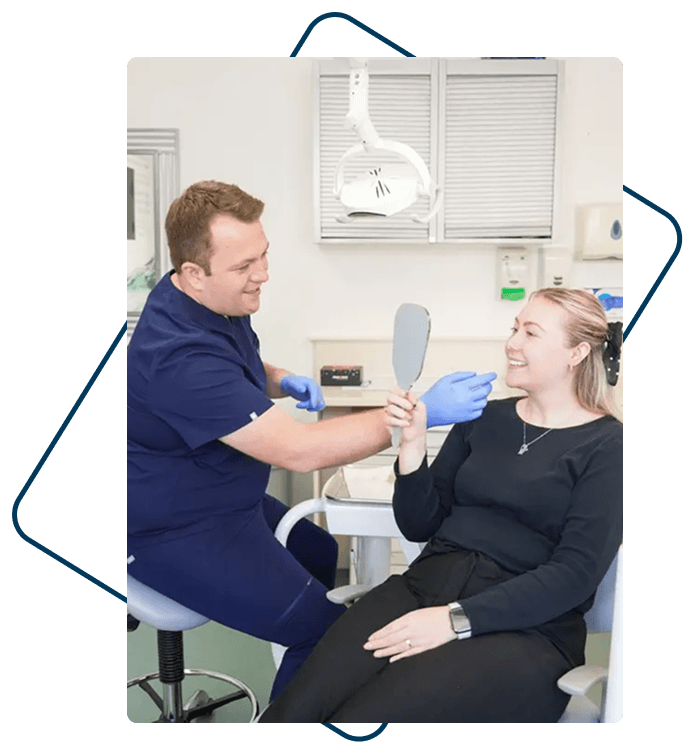
Preventive Dental Care

Dental Hygiene
Planning dental hygiene from Goginan? Visit Friars Dental Clinic in Aberystwyth for personalised gum health advice, professional cleaning and practical home-care guidance you can keep using. If you are worried about sore or bleeding gums, a planned hygiene visit can help you understand what is happening and what to do next. Your appointment focuses on gum health, where plaque and tartar are collecting, and which everyday steps are most likely to help you.
Professional cleaning is part of prevention, not a replacement for daily oral care. It works alongside brushing and cleaning between teeth to reduce the conditions that allow gum disease and tooth decay to develop. You will also get clear pointers on what to watch for at home and how to adjust your routine.
Everyone has different needs. The interval between dental check ups depends on your own oral health and level of risk rather than a fixed six month schedule. A tailored plan gives you practical targets you can maintain, so small changes build into long term improvements.
Plaque is a thin, sticky film of bacteria that continually forms on teeth. When it is not removed effectively, it can harden into tartar that you cannot brush away. At Friars Dental Clinic, hygiene services include professional cleaning designed to remove plaque and tartar in places that are hard to keep clean.
Because plaque contributes to gum disease and tooth decay, clearing these deposits supports prevention. A professional clean targets the gumline and other sites where build up is common, helping reduce inflammation triggers. It complements your home care so brushing and between teeth cleaning are more effective.
Some areas are simply harder to reach, such as the backs of molars, crowded teeth or spots close to the gum. Tartar can also form just under the gum edge. Tackling these deposits professionally makes it easier to keep your mouth clean day to day.
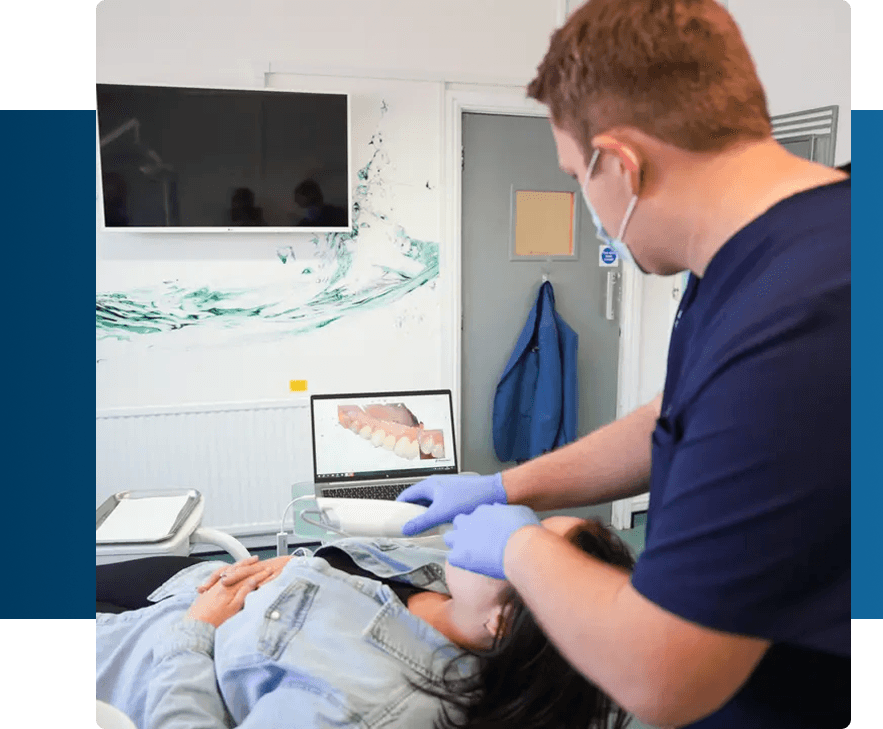
Red, swollen, sore or bleeding gums are signs that deserve a dental assessment. Bleeding when brushing or cleaning between teeth can indicate gum disease, and an examination can identify where the problem is and suggest appropriate next steps for you.
It is sensible to seek help if bleeding persists, you notice gum tenderness, or your gums look puffy or change in colour. An assessment checks for plaque and tartar build up, measures which areas are affected, and considers the best way to support healing.
Gum problems are not diagnosed from symptoms alone, which is why a dental evaluation matters. The earlier the cause of bleeding or soreness is addressed, the more straightforward it usually is to improve gum health with targeted cleaning and clear home care.
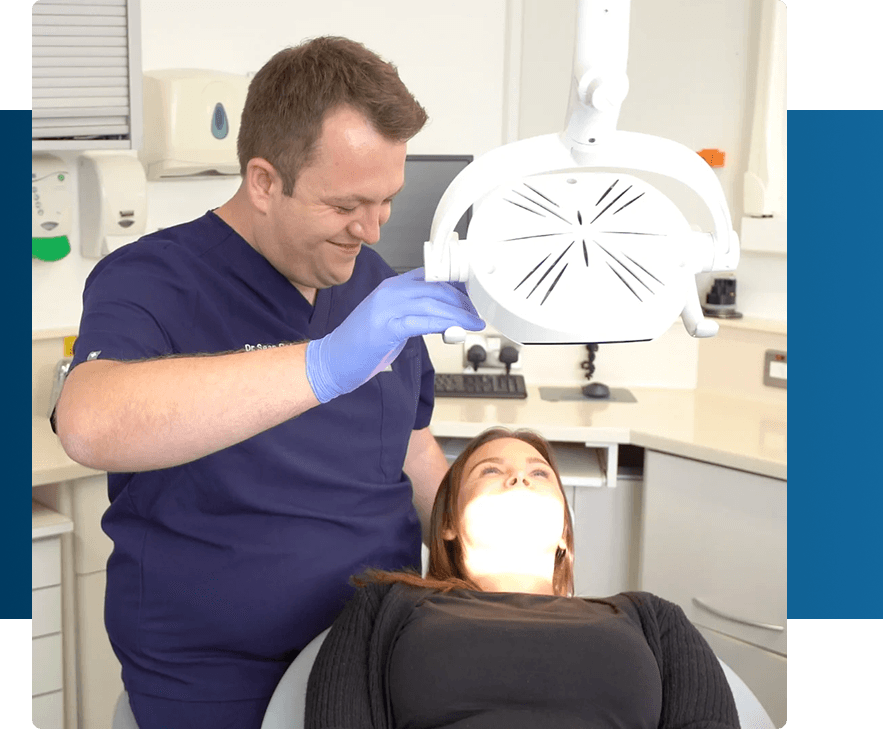
A professional clean carefully removes plaque and tartar from tooth surfaces and, where appropriate, just below the gumline. You may hear the term scale and polish used for this type of cleaning. Not every patient requires the same approach, and the steps are based on your individual needs.
The aim is to reduce the bacterial load that irritates the gums and to leave surfaces smoother so daily cleaning is more effective. Professional cleaning supports prevention of gum disease and tooth decay, but lasting results still depend on good home care.
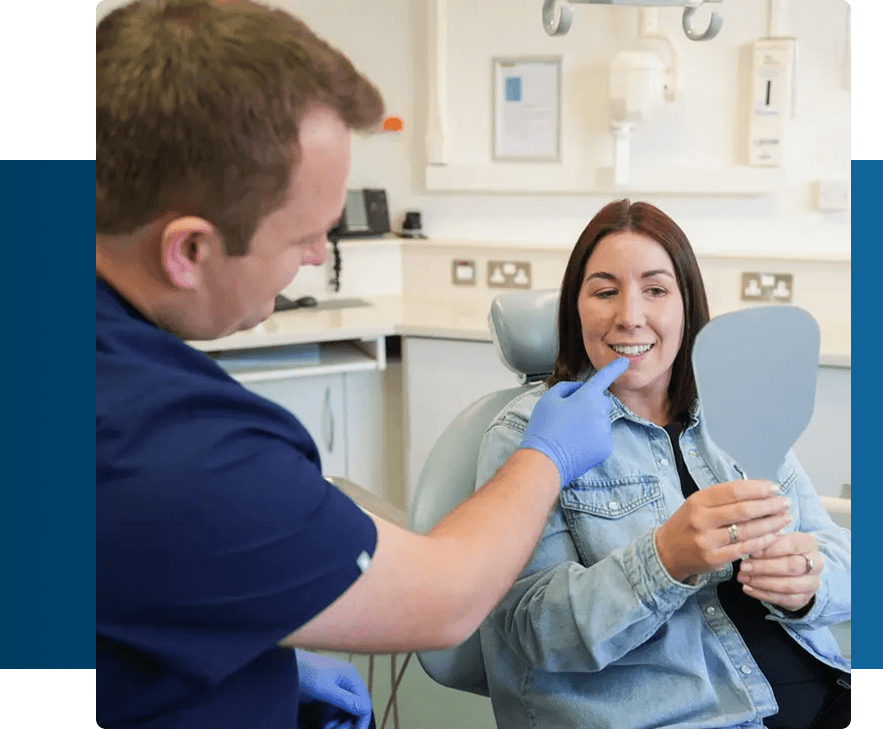
Brushing twice a day for around two minutes with fluoride toothpaste helps control plaque and protect teeth. After brushing, spit out excess toothpaste rather than rinsing straight away so more fluoride stays on the teeth to keep working.
Cleaning between your teeth with floss or interdental brushes removes food, debris and plaque where a toothbrush cannot reach. Choose a method you can use comfortably most days, so it becomes part of your normal routine rather than a special task.
A dental professional can recommend the best way for you to clean between the teeth. The right technique and size of interdental brush vary from person to person, and small adjustments to how you angle or sequence your cleaning can make it easier and more effective.
Prevention is ongoing. Check up intervals are tailored to your mouth rather than following an automatic timetable. Ask which areas you miss most when brushing, and what signs to watch for between visits so you can respond early if something changes.
If you have fillings, crowns or bridges, ask how to clean around them without damaging the margins. Request guidance on the size of interdental brushes for different spaces, and whether floss, tape or brushes are more suitable for your teeth and gums.
Diet and daily habits influence your mouth as much as technique. It helps to ask how sugar frequency might affect your risk, and what small, sustainable steps would reduce that risk. Clear, personalised pointers are usually easier to follow than long lists of rules.
Practical Prevention
Dental Hygiene
BDS Manchester, 2018
Lifestyle choices matter. Not smoking supports oral health and is linked with better gum outcomes. If you smoke, discuss gum health risks and practical support that fits your routine. Combining behaviour change with professional cleaning strengthens your chances of keeping gums stable.
Sugary food and drink feed plaque bacteria, raising the risk of tooth decay. Spacing sugary items less often through the day reduces overall exposure. Pair this with twice daily fluoride brushing and cleaning between teeth to help control plaque and protect vulnerable areas.
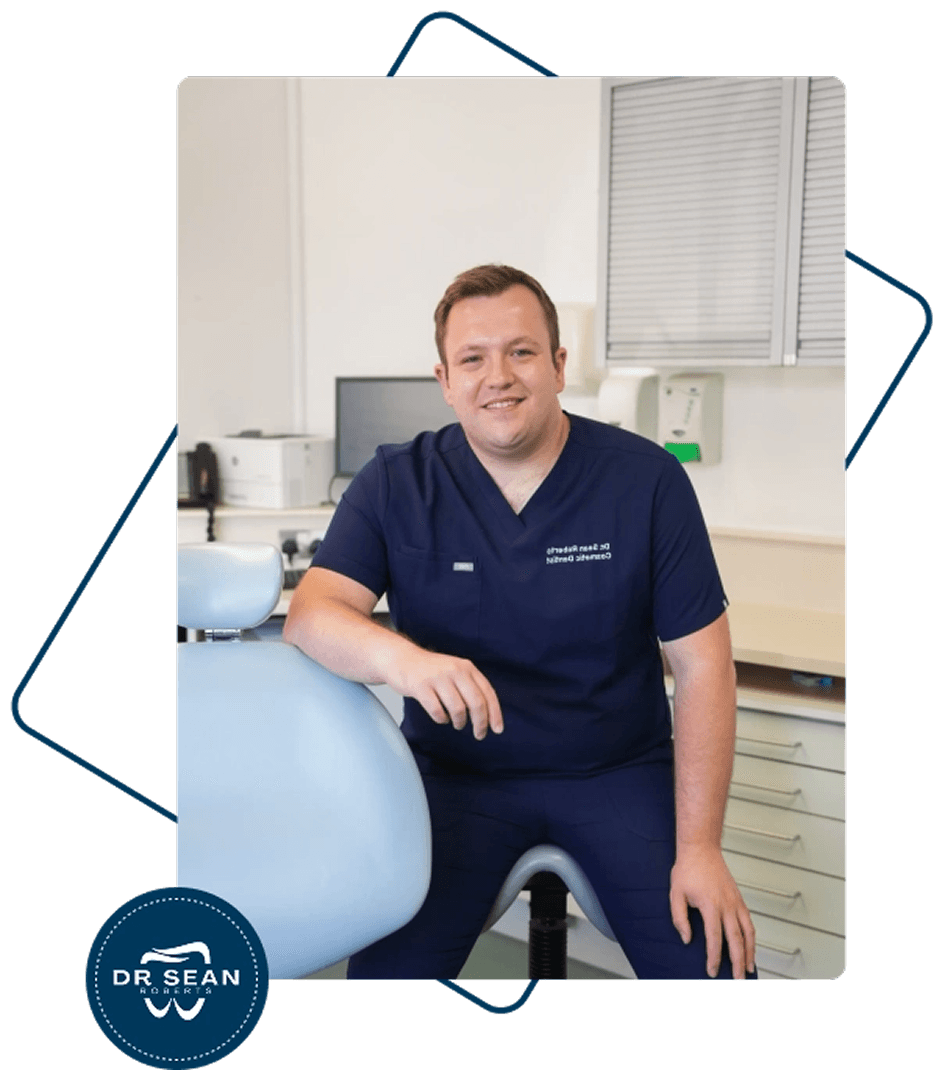
Habits stick when they are realistic. Consider setting a consistent brushing time, keeping interdental brushes where you will use them, and building new steps gradually. If you would like personalised guidance, Dr Sean Roberts can review your daily oral care and suggest achievable changes during your dental visit.
How To Reach Us
How To Reach Us
Set your sat nav to Friars Dental Clinic, Park Avenue, Aberystwyth, SY23 1PB. Plan your route from Goginan in advance and follow your preferred directions app to reach Park Avenue safely.
Check current bus services from Goginan towards Aberystwyth, including your boarding stop and arrival point. Allow time for any onward walk or local connection to Park Avenue once you reach the town centre.
Confirm whether rail to Aberystwyth suits your journey from your nearest station. If it does, plan the short onward connection from the station to Park Avenue before you travel.
Booking And Next Steps

Next Steps
If you have bleeding gums, tartar build up or questions about daily oral care, contact Friars Dental Clinic to enquire about hygiene support. Call 01970 623 369 or email hello@drsean.dentist, and let us know what you would like help with.
When booking, mention any worries or if you feel nervous about dental treatment so your concerns can be discussed. Sharing the symptoms you have noticed and the areas that trouble you helps focus your assessment and cleaning where it matters most.
Your visit typically includes an examination, cleaning where appropriate, and clear guidance on brushing and cleaning between teeth. Follow up intervals are personalised. The goal is straightforward advice and small, maintainable steps that protect gum health over time.
FAQ's
Frequently Asked Questions
Yes. Red, swollen or bleeding gums should be assessed by a dental professional. Professional cleaning may be recommended, alongside twice daily fluoride brushing and cleaning between teeth, to address the causes and support healthier gums.
Not smoking supports oral health. Tobacco use is associated with gum problems, so reducing or stopping helps your mouth respond better to daily care. Ask about practical steps to protect your gums if you smoke.
Yes. Frequent sugary snacks and drinks fuel plaque bacteria between brushes, increasing decay risk. Limit how often you have sugar, use fluoride toothpaste, spit rather than rinse, and clean between teeth to help protect vulnerable areas.
Brush twice daily for two minutes with fluoride toothpaste, then spit, do not rinse. Clean between teeth with floss or interdental brushes. A dental professional can suggest the most suitable method for you so your efforts are effective.
Many visitors plan a straightforward drive to Park Avenue, SY23 1PB, using a maps app. If you prefer public transport, check current bus or rail options to Aberystwyth and plan your onward connection to the clinic.

Call The Practice
01970 623 369
Email Me
hello@drsean.dentist
Address
Friars Dental Clinic Park Avenue, Aberystwyth, SY23 1PB
All rights reserved © Dr Sean Roberts 2026
website designed and maintained by dentopia marketing
We use cookies to improve your browsing experience. You can accept all, reject all, or manage your preferences. See our Privacy Policy for more details.