By Car
Friars Dental Clinic is on Park Avenue, Aberystwyth, SY23 1PB. Enter the postcode into your sat nav, check your route before leaving, and allow time for the town-centre approach near the address.

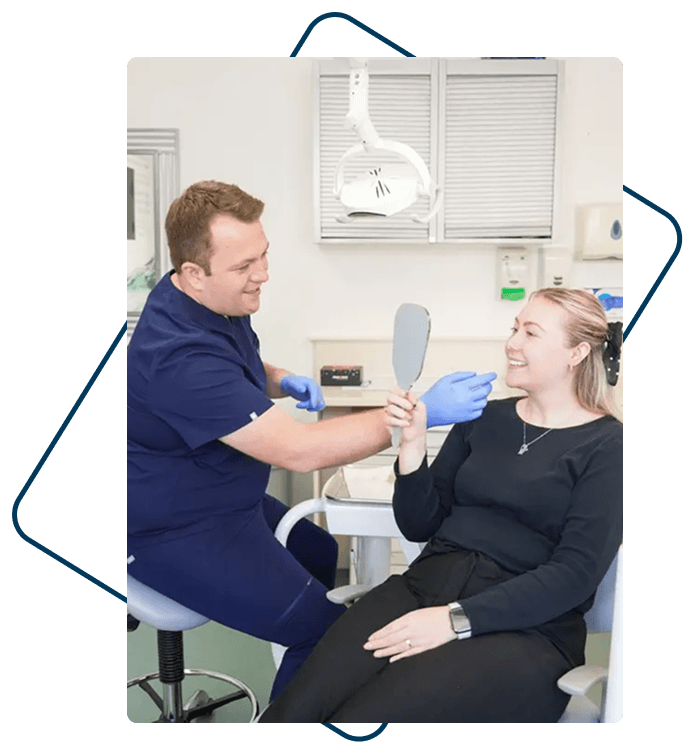
Preventive Dental Care

Dental Hygiene
Planning dental hygiene from Devil's Bridge? Visit our Aberystwyth clinic for professional cleaning advice that helps manage plaque, hardened tartar and gum health, with practical guidance for everyday care between visits. You might be planning a trip into Aberystwyth because you have noticed a rough patch behind the lower front teeth, stains at the gumline or bleeding when you brush. This page explains what those signs can mean and how a professional clean may help.
If you are unsure whether the build-up you see is plaque or hardened tartar, professional advice is useful. We outline what a dental assessment looks for, how cleaning supports gum health, and the simple steps you can take at home to keep things stable.
Travelling is easier when you know what to ask. Note the spots that feel rough, where floss catches, and any places that bleed. Bring those observations to your assessment so the visit focuses on what matters most to you.
Plaque is a soft, sticky film of bacteria that constantly forms on teeth and along the gumline. Left in place, it contributes to gum disease and tooth decay, which is why daily removal is so important between visits.
Tartar (also called calculus) is plaque that has hardened on the tooth surface. Toothbrushing alone will not remove tartar. At Friars Dental Clinic, hygiene services include professional cleaning to remove plaque and tartar, supporting the prevention of gum disease and tooth decay where appropriate.
A scale and polish involves the professional removal of plaque and tartar from teeth. It is not the same for every person, and not everyone needs the same approach at each visit. If you can feel a ridge or see a deposit, ask at your assessment whether removal is suitable for you.
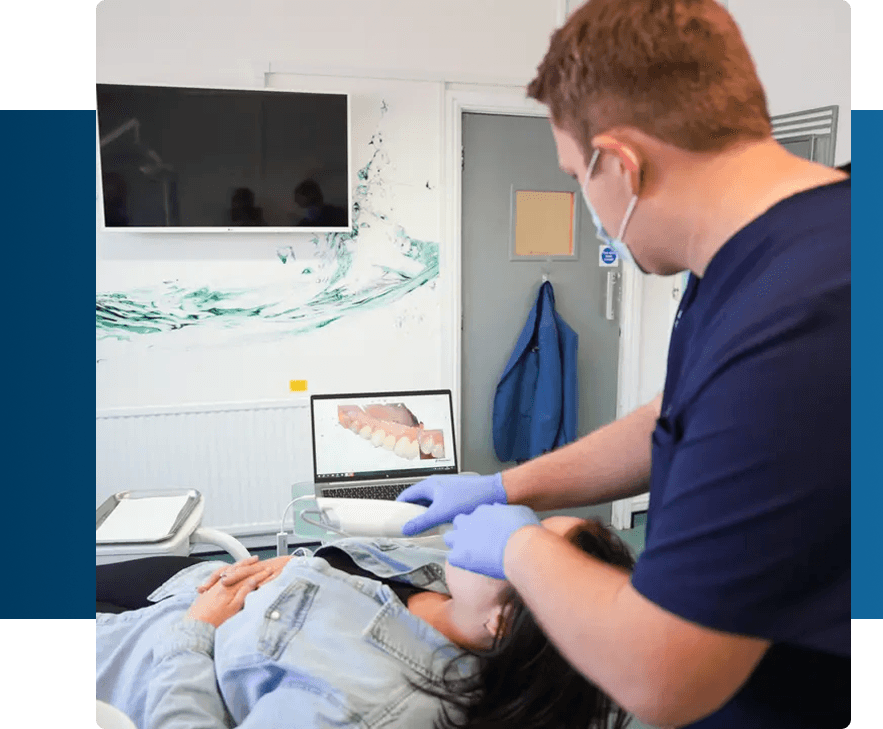
Sore, red, swollen or bleeding gums are signs to take seriously. If you notice these symptoms, an individual dental assessment is recommended so the cause can be identified and advice tailored to your mouth.
Visible deposits are not the only signal. Some people notice bleeding without obvious build-up, while others see chalky or brownish edges near the gumline with no soreness. Symptoms vary, so avoid guessing and arrange a check if you are concerned.
It helps to record when and where bleeding occurs, such as after evening brushing or between particular teeth. Good home care remains essential, but persistent bleeding suggests your gums need a professional look to plan the right next steps.
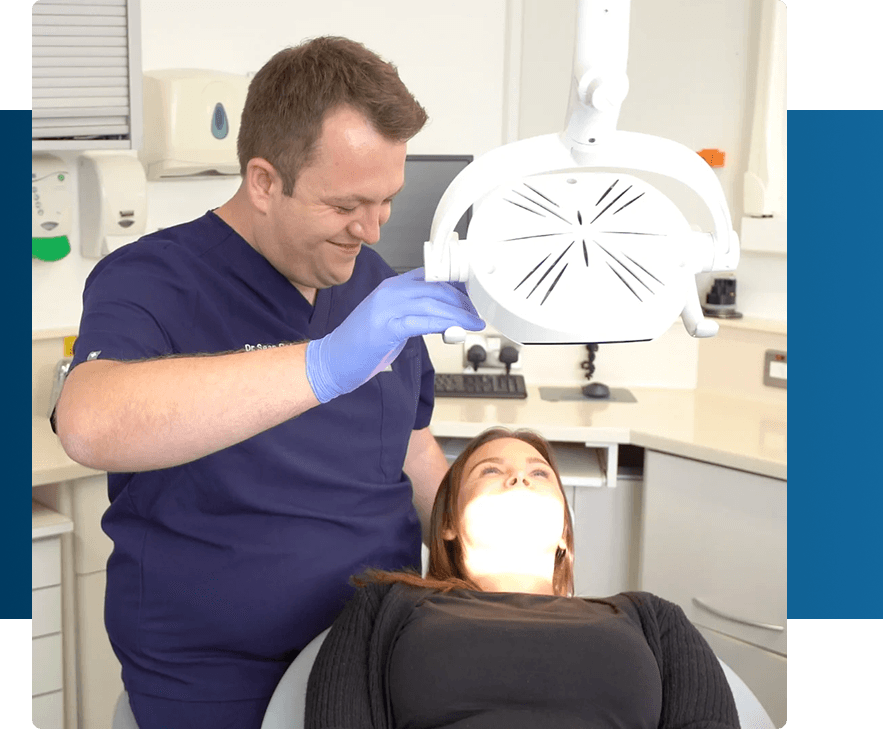
A professional clean focuses on carefully removing plaque and tartar from tooth surfaces to support gum health. The exact approach depends on what your assessment finds; a one-size-fits-all protocol is not promised or appropriate for every mouth.
Where your assessment indicates it is helpful, a scale and polish may be advised. Alongside cleaning, a dental professional can also recommend suitable ways to clean between your teeth at home so you can keep those areas under control after the visit.
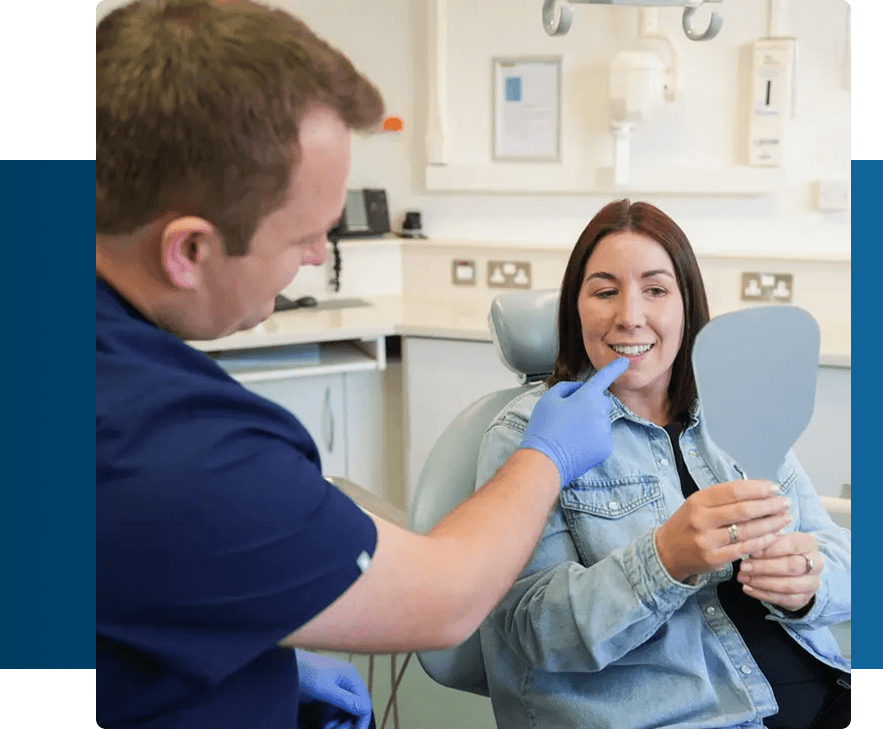
Brush twice a day for about two minutes with fluoride toothpaste to help control plaque and protect teeth. After brushing, spit out the excess rather than rinsing immediately, as this leaves more fluoride on your teeth for longer.
Cleaning between teeth with floss or interdental brushes helps remove trapped food, debris and plaque from places your toothbrush cannot reach. Use the tool that fits your spaces comfortably. If you are unsure which to choose or which sizes to use, a dental professional can advise.
Brushing harder is not the answer to stubborn build-up. Keep movements gentle and thorough along the gumline. Floss or interdental brushes should slide without forcing. Combining this routine with professional advice gives you the best chance of keeping deposits limited.
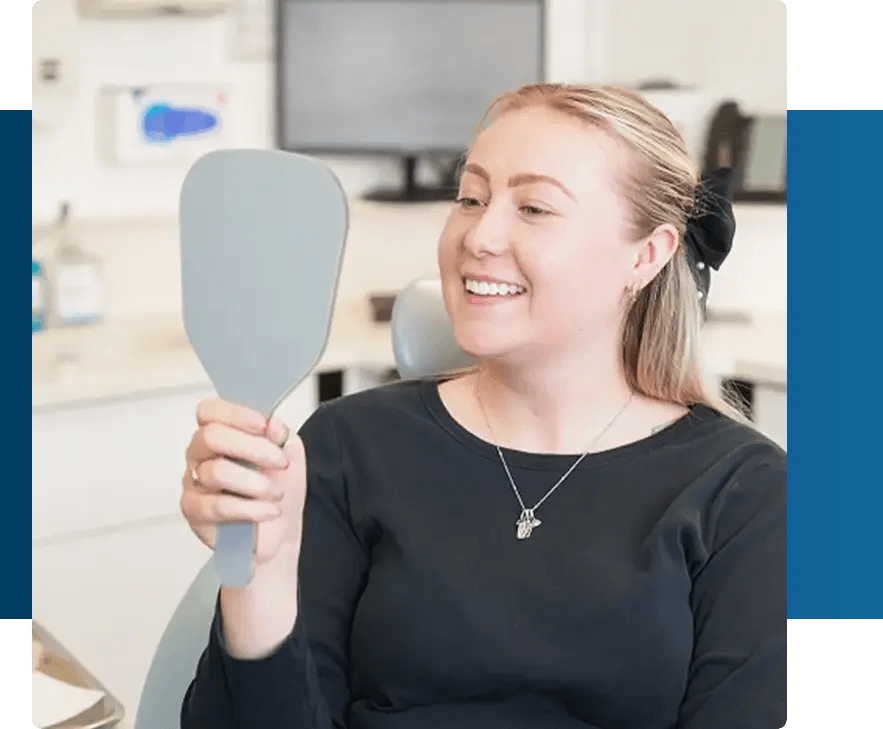
Check-up and hygiene intervals are based on your individual oral health and risk, not a universal six-month rule. Your clinician will advise a review pattern that reflects your gum health, plaque control and any changes observed over time.
Arrive with questions that make the most of your appointment. Ask where deposits tend to recur, which interdental brush sizes suit each gap, whether your current brushing technique is reaching the right angles, and how to prioritise home care for the trickiest areas.
Everyday choices support your mouth, too. Not smoking benefits gum health, and limiting sugar intake helps protect teeth from decay. Together with tailored professional cleaning, these habits form a sensible plan for long-term oral health.
Practical Prevention
Dental Hygiene
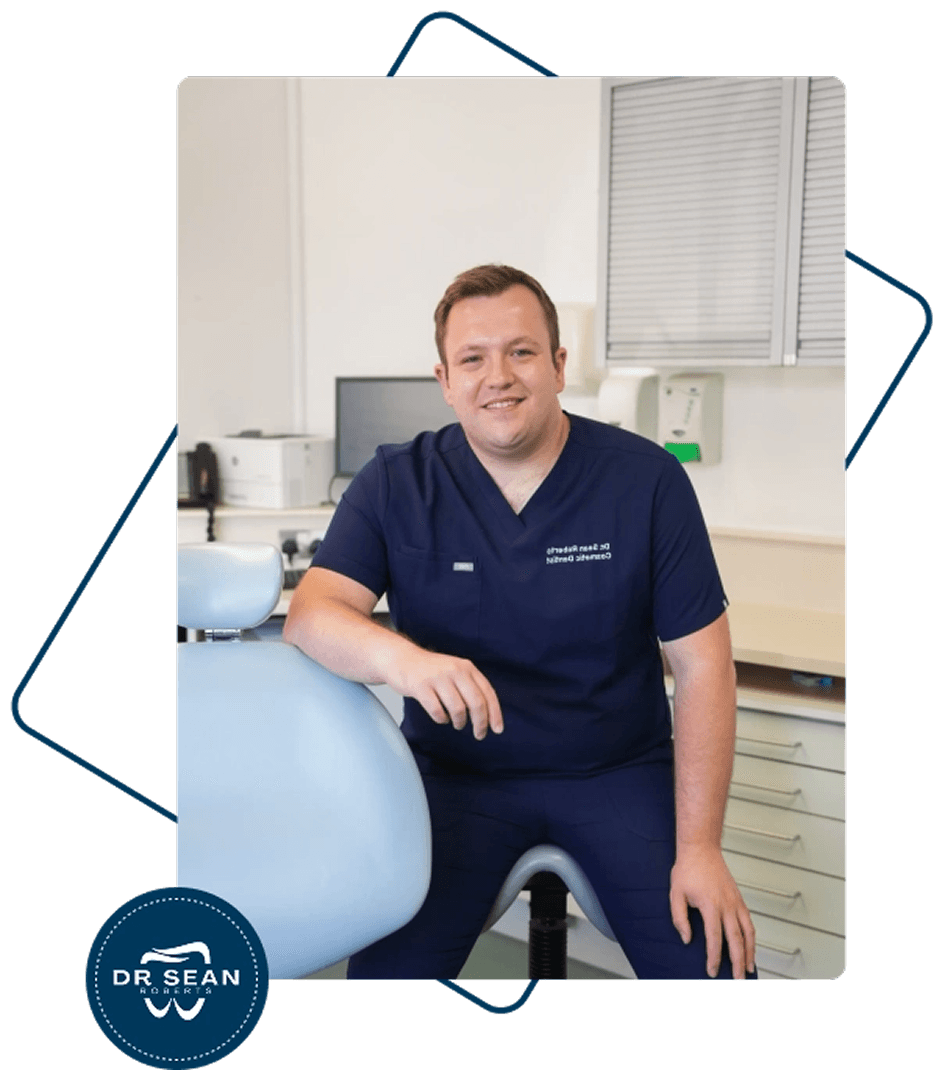
BDS Manchester, 2018
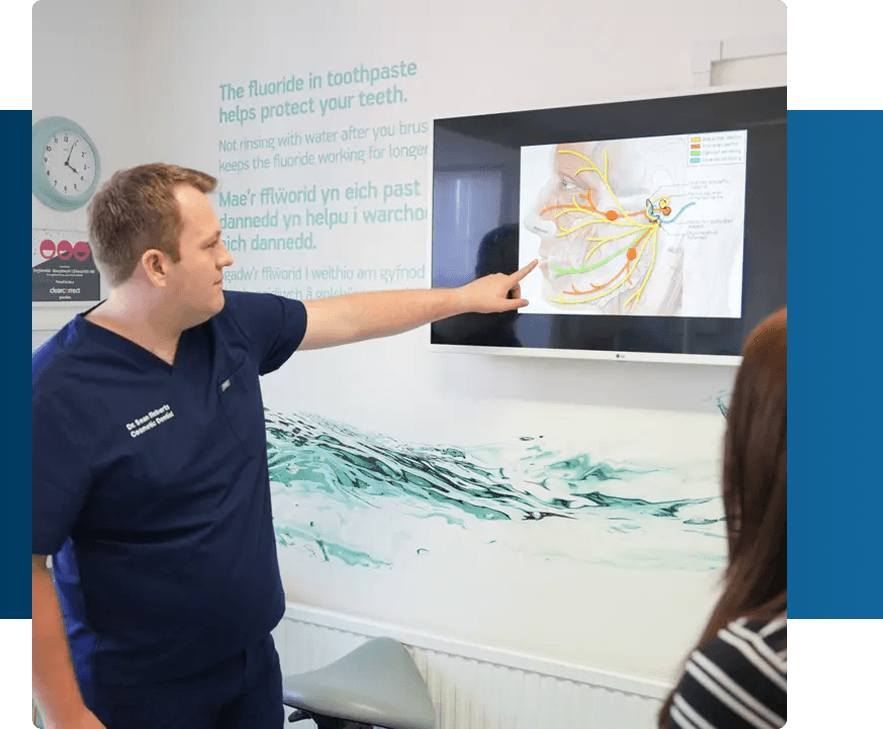
Selecting interdental aids is about fit and access, not just brand names. Tight front contacts may suit floss, while wider molar spaces often benefit from small interdental brushes in specific sizes. At your assessment with Dr Sean Roberts, ask which tool fits each area so you can clean effectively without trauma.
If you have bridges, crowding, or a fixed retainer, explain exactly where food traps or floss snags. A dental professional can recommend the safest method for those spots, including angles of approach and suitable brush sizes, so deposits do not keep returning between routine cleans.
Avoid forcing a brush that feels too large. Start with the smallest size that passes with light resistance and build up if advised. Make a note of any points that always bleed, and ask how long mild bleeding should take to settle when you begin effective interdental cleaning.
How To Reach Us
How To Reach Us
Friars Dental Clinic is on Park Avenue, Aberystwyth, SY23 1PB. Enter the postcode into your sat nav, check your route before leaving, and allow time for the town-centre approach near the address.
Check current bus services from Devil's Bridge to Aberystwyth, confirm your boarding stop and arrival point, and allow time for the short onward journey to Park Avenue once you reach the town centre.
If travelling by rail, check whether services suit your starting point. On arrival in Aberystwyth, plan the short onward journey to Park Avenue using local transport or a walk, allowing a little extra time.
Booking And Next Steps

Next Steps
To enquire about dental hygiene and professional cleaning, start by noting your main concerns: any bleeding points, places that feel rough, and where floss catches. Share these at booking so your assessment can focus on priority areas.
You can contact the clinic by calling 01970 623 369 or emailing hello@drsean.dentist. If you have questions about travel or timing around other commitments, mention them when you get in touch so the team can offer practical guidance.
If you feel nervous about dental treatment, please say so when booking. Sharing worries early allows the team to talk through what to expect and suggest practical ways to help you feel prepared for your visit.
FAQ's
Frequently Asked Questions
Tartar is plaque that has mineralised on the tooth. Once hardened, a toothbrush will not shift it. Professional removal is required, followed by daily plaque control to reduce how quickly it returns.
If you can feel a ridge, notice a rough edge near the gumline, or see staining that doesn't brush away, ask at your dental assessment about removal and how to keep that area cleaner at home.
Both can help remove plaque between teeth. Choose floss for very tight contacts and interdental brushes for spaces they can enter comfortably. A dental professional can recommend sizes and techniques tailored to your mouth.
No. Brush twice daily for about two minutes with fluoride toothpaste and gentle pressure, spit not rinse, and add floss or interdental brushes. Brushing harder will not remove tartar and can irritate gums.
Check your preferred route in advance, review current bus or rail options, and allow time for the short onward journey in Aberystwyth to Park Avenue, SY23 1PB. Bring the full clinic address with you.

Call The Practice
01970 623 369
Email Me
hello@drsean.dentist
Address
Friars Dental Clinic Park Avenue, Aberystwyth, SY23 1PB
All rights reserved © Dr Sean Roberts 2026
website designed and maintained by dentopia marketing
We use cookies to improve your browsing experience. You can accept all, reject all, or manage your preferences. See our Privacy Policy for more details.