By Car
Friars Dental Clinic is at Park Avenue, Aberystwyth, SY23 1PB. Plan your route before setting off and allow time for local traffic. Using your preferred mapping app can help you navigate directly to the address.

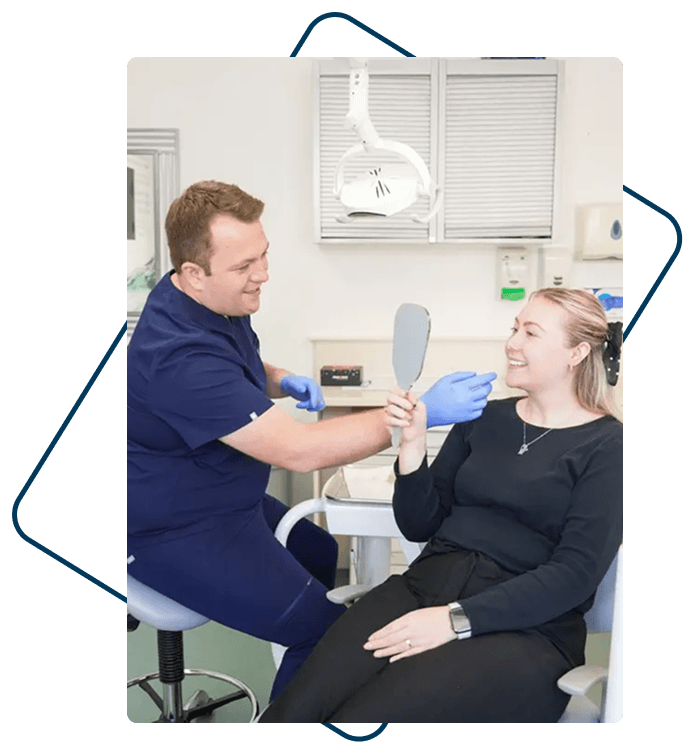
Preventive Dental Care

Dental Hygiene
If you live in Cross Inn, our dental hygiene guidance and professional cleaning in Aberystwyth can help you manage plaque, protect gum health and plan a visit that supports everyday oral care. Bleeding gums can be worrying, especially if you notice blood when brushing or flossing. It is a common sign that your gums may be inflamed and need attention. Rather than brushing harder, focus on a gentle routine and seek a dental assessment if the bleeding persists or you are unsure what is causing it.
If you are looking to arrange a hygiene visit in Aberystwyth, we welcome patients who travel in for care. A visit allows a dental professional to assess your gum health, discuss the areas that bleed and advise on daily techniques that are kinder to your gums while still controlling plaque effectively.
On this page you will find practical guidance on plaque and tartar, when to seek assessment, what a professional clean can address and how to look after your mouth at home. You will also see clear steps for planning a visit from Cross Inn to Friars Dental Clinic in Aberystwyth.
Plaque is a soft, sticky film of bacteria that forms on teeth throughout the day. It collects along the gumline and between teeth, especially in areas that are harder to reach. If not removed regularly, plaque can irritate the gums and contribute to dental problems over time.
When plaque is left on teeth it can harden into tartar. Brushing alone cannot remove tartar once it has formed, which is why professional cleaning can be helpful. At the clinic, hygiene services involve professional removal of plaque and tartar, supporting the prevention of gum disease and tooth decay.
Deposits often build in tight spaces, around the back teeth, and next to dental work such as crowns or fillings where edges can trap debris. Subtle crowding can also create plaque-retentive areas. Understanding where deposits gather helps you target cleaning more precisely between professional visits.
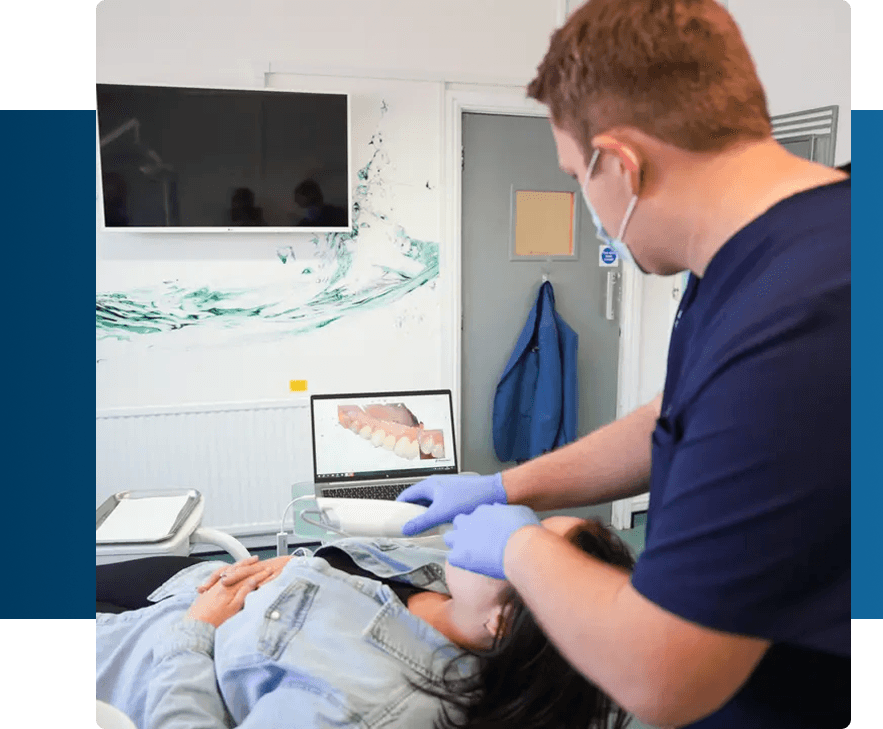
Red, puffy or sore gums, as well as bleeding when brushing or flossing, are reasons to seek a dental assessment. These symptoms can be linked with gum disease, but only an examination can determine what is happening in your mouth and what will help most.
Book a check if bleeding continues beyond a few days, appears in the same area repeatedly, or is accompanied by tenderness, swelling or bad breath. Avoid scrubbing the gums aggressively. A gentler technique, used consistently, is more effective and kinder to tissues.
An assessment looks at your gums, plaque levels and the areas where you find cleaning difficult. From there, you will receive individual advice. This may include professional cleaning and guidance for home care, based on your specific findings rather than a one-size-fits-all plan.
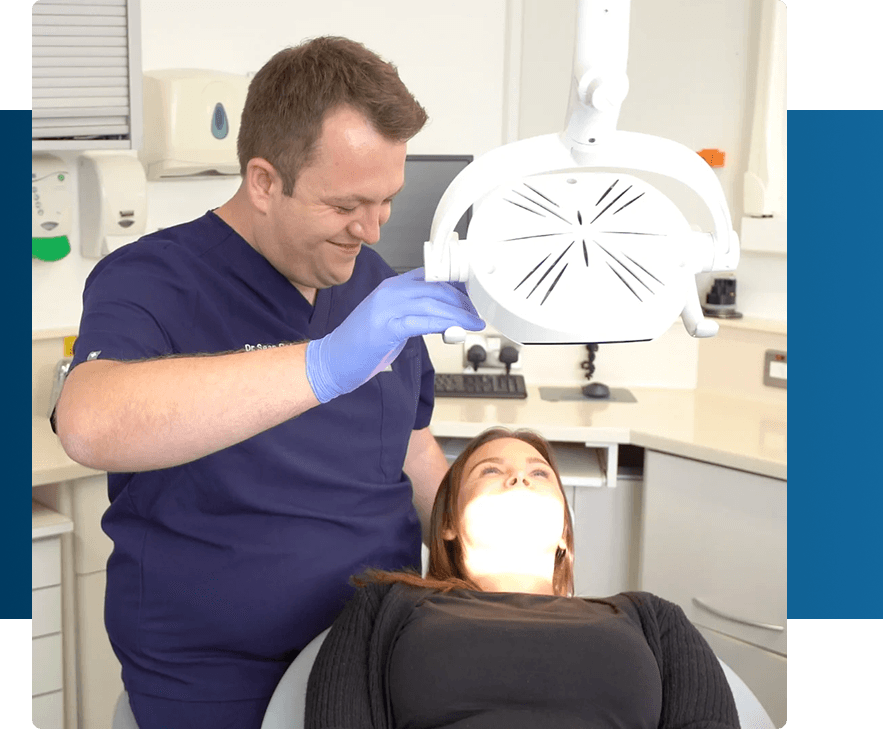
Professional cleaning focuses on carefully removing plaque and tartar from tooth surfaces that you cannot manage fully at home. You may hear the general term scale and polish used to describe this kind of clean, but not every patient receives the same procedure. The exact approach depends on clinical need.
The goal is to make tooth surfaces smoother and easier to keep clean day to day, reducing the bacterial load that irritates gums. This supports the prevention of gum disease and tooth decay, and complements the brushing and between-teeth cleaning you do at home.
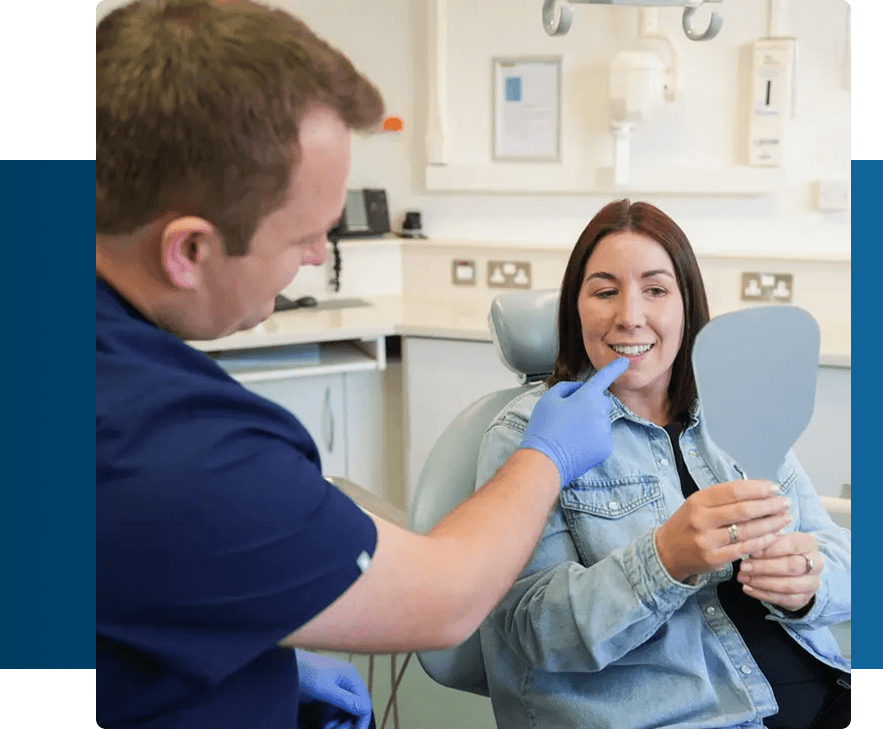
Brush twice a day for about two minutes with a fluoride toothpaste to help control plaque and protect your teeth. After brushing, spit out the excess rather than rinsing straight away, so more fluoride stays on your teeth for longer.
Clean between teeth daily with floss or interdental brushes to remove food, debris and plaque that a toothbrush cannot reach. A dental professional can recommend suitable ways to clean between your teeth and advise on the right sizes if you use interdental brushes.
Use a gentle technique: angle the bristles towards the gumline and use small, controlled movements. Replace toothbrush heads regularly. Whether you prefer manual or powered brushing, consistency and a light touch are what matter most to gum health.
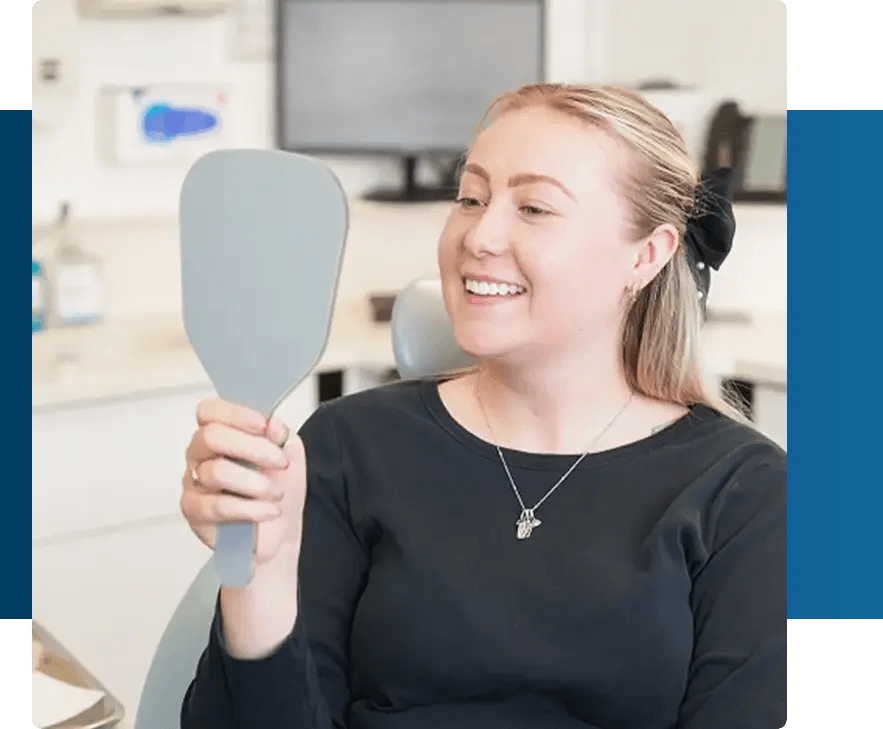
Your recommended check-up interval depends on your oral health and risk, not a universal six-month schedule. After an examination, you will be advised when to return for review or cleaning based on your needs and how well you can maintain your mouth at home.
Bring practical questions to your visit. For example: which areas are bleeding most, what triggers you have noticed, and which specific teeth are hardest to clean. Ask for clear guidance on technique and between-teeth aids that suit your mouth.
Broader everyday habits matter too. Not smoking and limiting sugar intake support better oral health alongside brushing and interdental care. If you feel nervous about dental treatment, let the team know when booking so your concerns can be discussed in advance.
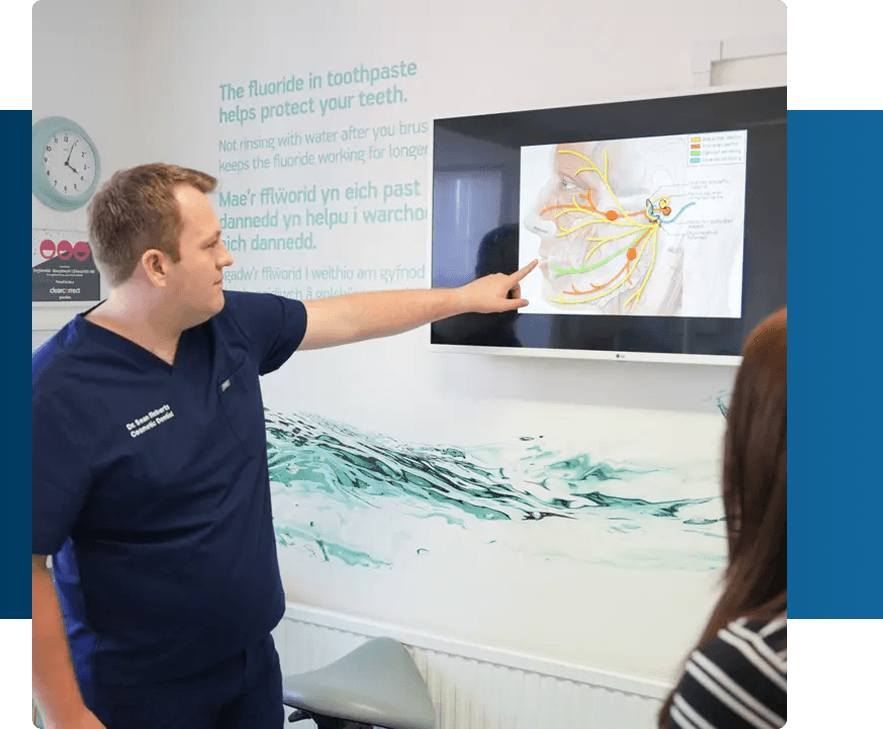
Practical Prevention
Dental Hygiene
BDS Manchester, 2018
If you have bleeding isolated to one spot, sudden swelling, or gums that are sore to the touch, do not assume that a standard clean alone will resolve it. These signs call for a dental assessment to identify the cause before planning any cleaning or other care.
During an assessment, your clinician considers where plaque and tartar collect, whether restoration edges trap debris, how your teeth align, and how you brush. Professional cleaning may be recommended after this check, targeted to the findings, with advice that fits your routine.
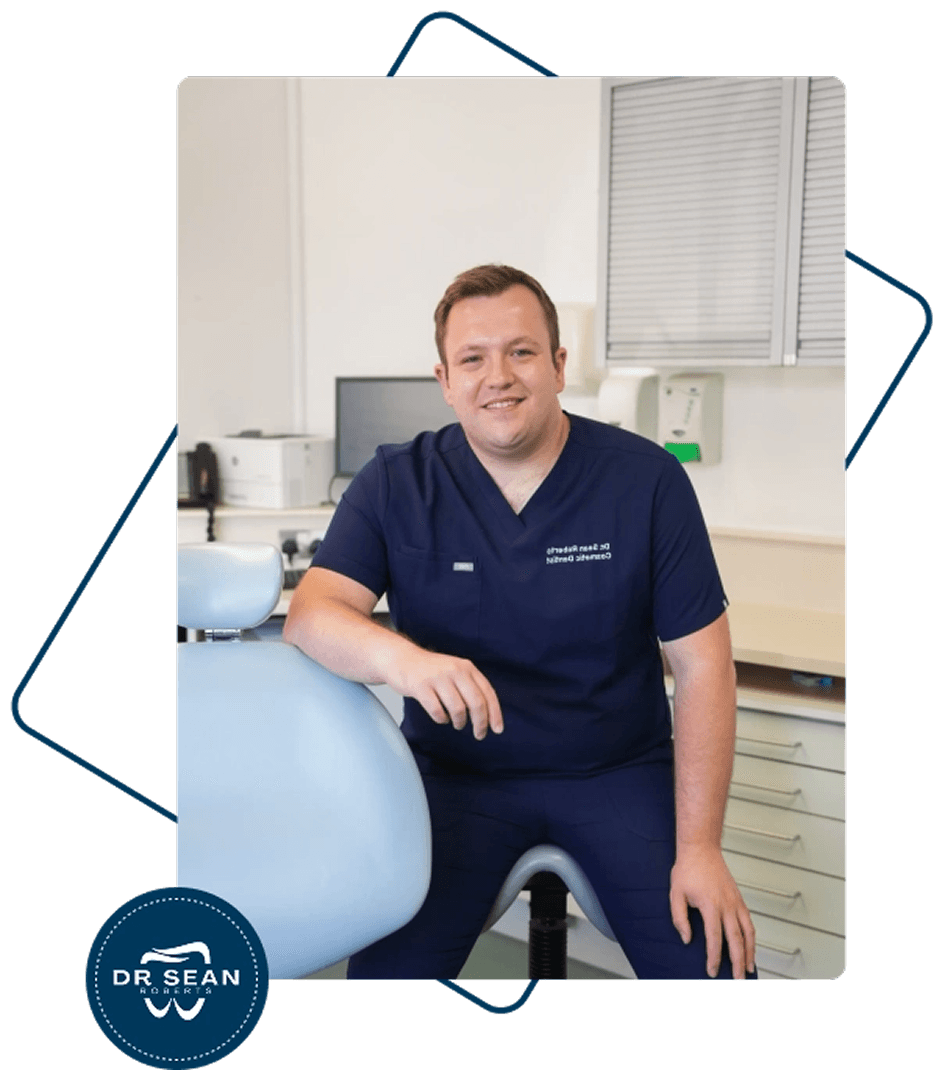
If you would like to talk through gum symptoms and preventive options, you can arrange an assessment with Dr Sean Roberts at Friars Dental Clinic. This consultation-first approach means any cleaning can be matched to your needs and supported by daily care you can maintain.
How To Reach Us
How To Reach Us
Friars Dental Clinic is at Park Avenue, Aberystwyth, SY23 1PB. Plan your route before setting off and allow time for local traffic. Using your preferred mapping app can help you navigate directly to the address.
Check current bus services from Cross Inn towards Aberystwyth and confirm your boarding stop and timetable on the day of travel. Allow time for the onward part of your journey from your arrival stop to Park Avenue.
If rail to Aberystwyth suits your journey, check times in advance and plan the connection from the station to Park Avenue. Consider local conditions on the day so you arrive promptly for your appointment.
Booking And Next Steps

Next Steps
If you want to discuss bleeding gums, tartar build-up or a practical hygiene plan, contact Friars Dental Clinic on 01970 623 369 or email hello@drsean.dentist. Mention that you are enquiring about hygiene and any specific areas that concern you.
When you book, note where bleeding occurs, what seems to trigger it and how long it has been happening. Sharing your current brushing and between-teeth routine also helps the dental professional tailor advice to you.
Our focus is prevention and comfort, aiming to help you keep gums healthy between visits. Following an assessment, you will receive individual guidance and, where appropriate, a professional clean designed to complement your daily oral care.
FAQ's
Frequently Asked Questions
Bleeding often follows plaque left at the gumline, which irritates tissues. Use a gentle technique rather than scrubbing and do not stop cleaning the area. If bleeding persists or worsens, arrange a dental assessment.
Seek a check if bleeding lasts more than a few days, happens spontaneously, or comes with swollen, tender gums or bad breath. An examination identifies causes and the most suitable hygiene and home-care advice.
Note when bleeding occurs, which teeth or areas are involved, and any swelling or sensitivity. Mention your brushing and interdental routine, smoking status and any recent changes to your health or medications.
Brush twice daily for two minutes with fluoride toothpaste and spit, don't rinse. Clean between teeth once a day with floss or interdental brushes sized for you. A dental professional can recommend the best method.
Decide whether to drive or use public transport. Check current bus options from Cross Inn or consider rail to Aberystwyth, then plan the short connection to Park Avenue, SY23 1PB, allowing time for local conditions.

Call The Practice
01970 623 369
Email Me
hello@drsean.dentist
Address
Friars Dental Clinic Park Avenue, Aberystwyth, SY23 1PB
All rights reserved © Dr Sean Roberts 2026
website designed and maintained by dentopia marketing
We use cookies to improve your browsing experience. You can accept all, reject all, or manage your preferences. See our Privacy Policy for more details.