By Car
Set your destination to Friars Dental Clinic, Park Avenue, Aberystwyth SY23 1PB. Plan your route from Comins Coch in advance and allow time for town-centre traffic. Check any parking options in Aberystwyth before you travel.

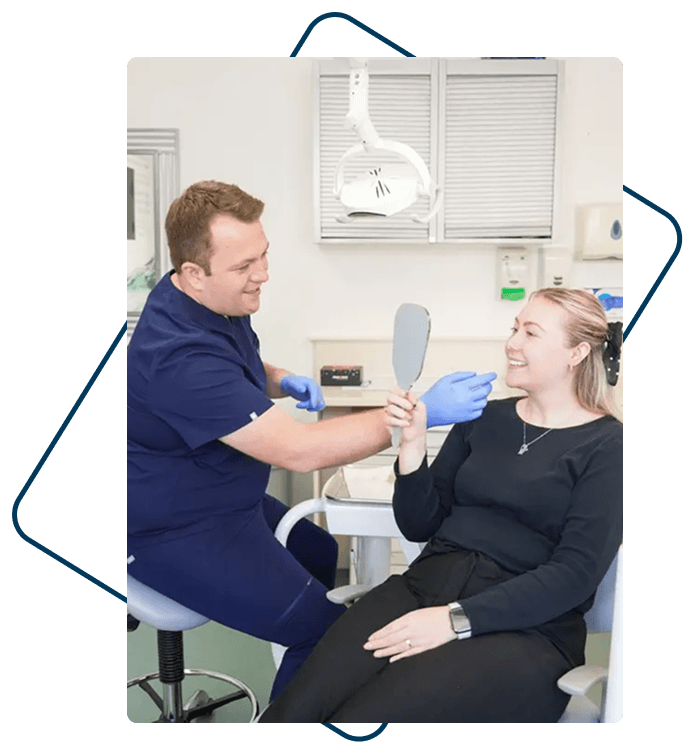
Preventive Dental Care

Dental Hygiene
Looking for dental hygiene support near you? Travel from Comins Coch to Aberystwyth for a professional clean, practical gum-health advice and a calm, well-informed check of any symptoms. Worried about bleeding gums, persistent bad breath, or hard deposits you can feel with your tongue? A dental professional can examine your mouth at Friars Dental Clinic in Aberystwyth, explain what is happening, and advise practical steps that fit your day-to-day routine, including discussing any discomfort you have noticed.
A professional clean, combined with a well-informed assessment, helps remove stubborn plaque and tartar and supports the prevention of gum disease and tooth decay. If something needs closer monitoring, your visit can include advice on what to watch for and how to keep the area cleaner at home.
If you are coming from Comins Coch, you can book specifically to talk about gum health, sensitivity or staining. Even with good brushing, deposits can build in hard-to-reach places. Asking early questions makes it easier to plan care that suits your needs and goals.
Plaque is a thin film of bacteria that forms on teeth. If it is not removed, it contributes to gum disease and tooth decay. Over time it can harden into tartar, which binds to the tooth surface and usually needs professional instruments to dislodge safely.
Along the gumline, behind front teeth and around existing restorations, plaque and tartar can be difficult to reach. Targeted hygiene services at the clinic focus on professionally removing these deposits so your teeth are easier to keep clean afterwards, helping to lower the risk of future inflammation and decay.
Between visits, noticing where your toothbrush slips past without contact, or where floss shreds or snags, can highlight plaque-retentive spots. Mention these areas during your assessment so the cleaning plan and home-care guidance address the places most likely to build up again.
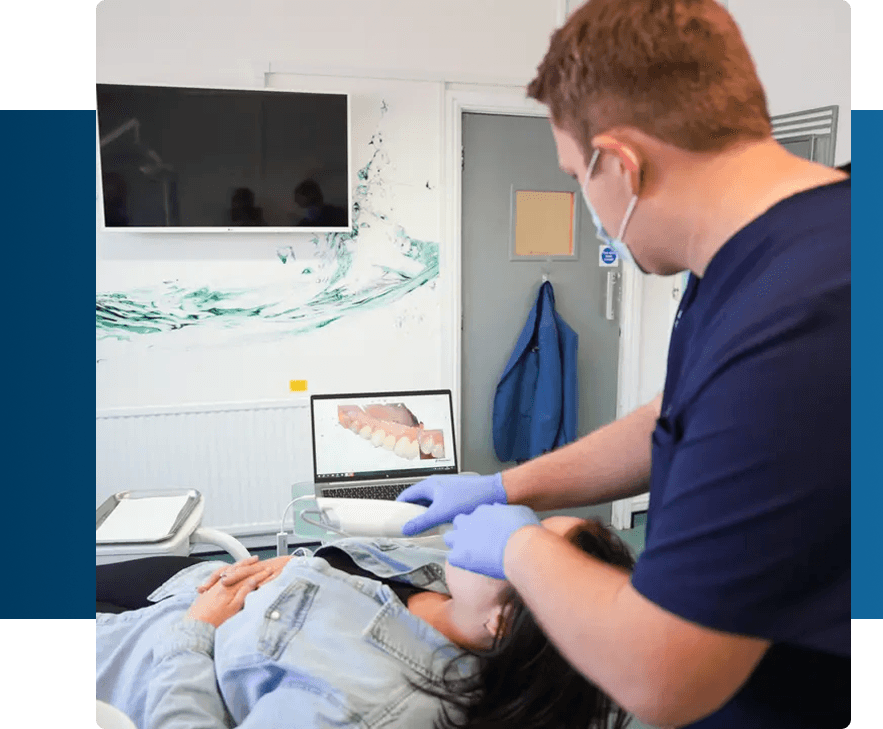
Red, swollen, sore or bleeding gums are common warning signs that deserve a dental assessment, especially if they persist. Occasional bleeding after catching the gum is possible, but repeated bleeding when brushing or cleaning between teeth should not be ignored.
Tenderness, bad breath that does not lift with brushing, or a metallic taste can also be associated with gum problems. An examination allows a professional to measure and record gum health and to check whether deposits, mouth-breathing, or tight contacts are making some areas harder to clean.
Finding issues earlier gives more options. The goal is to remove irritants, support you with practical advice, and review progress at intervals that reflect your personal risk. If deeper treatment is indicated, the steps will be explained so you can make an informed decision.
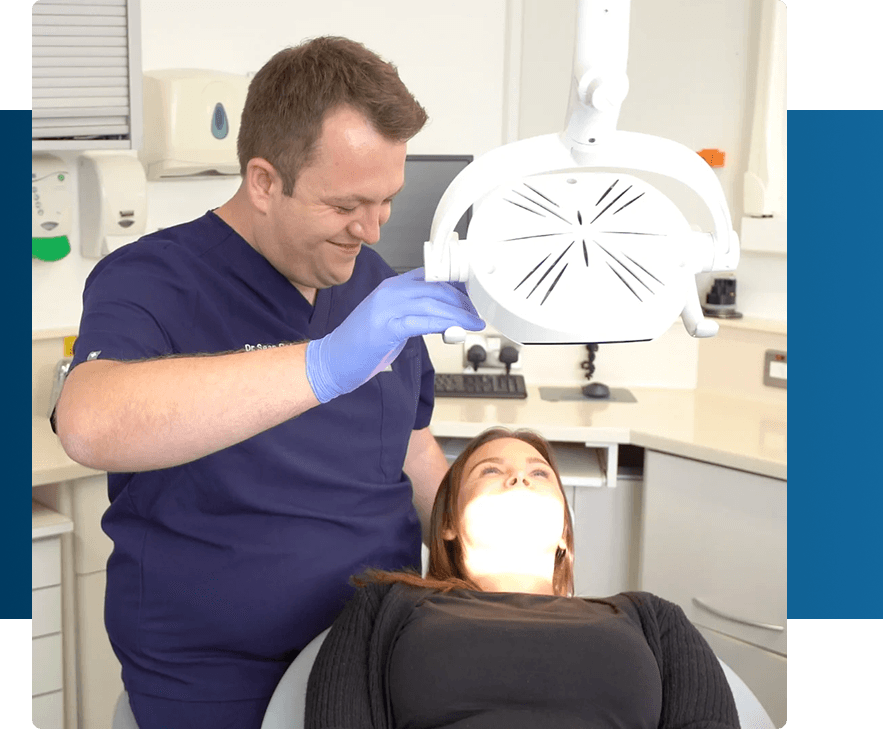
A professional clean focuses on the precise removal of plaque and tartar using appropriate instruments. You may hear the term scale and polish, although not every patient requires the same procedure. The approach is based on your examination and aims to make teeth smoother and easier to keep clean.
Cleaning supports prevention but it is not a cure-all and never replaces daily oral care. What happens in the surgery works best alongside consistent brushing and cleaning between teeth at home, as this limits how quickly new deposits return and helps gums settle.
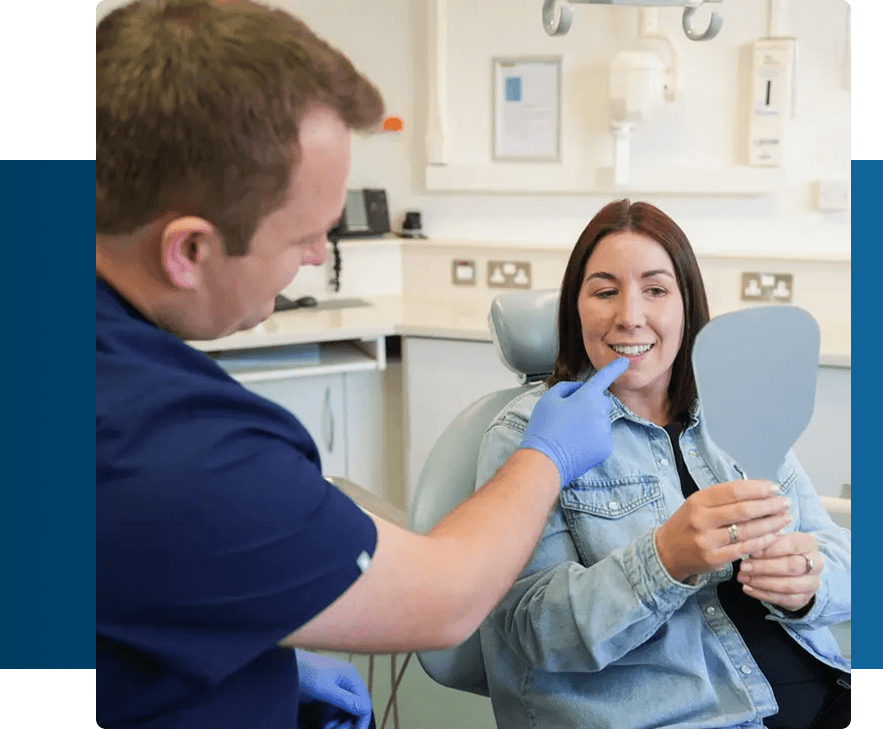
Brush twice a day for about two minutes with fluoride toothpaste. Angle the bristles towards the gumline and use small strokes. After brushing, spit out excess toothpaste rather than rinsing straight away, so more fluoride stays on your teeth to protect them.
Clean between teeth to remove food, debris and plaque that a brush cannot reach. Floss or interdental brushes both work when used correctly. A dental professional can recommend suitable sizes or techniques for your mouth so you can clean thoroughly without causing soreness.
Try to make one of your brushes the final thing before bed, and keep a simple kit where you spend time during the day so a missed clean is less likely. Consistency matters more than perfection, and small improvements add up for your gums.
Check-up and hygiene visit intervals are not the same for everyone. Your dentist will suggest timings based on your current oral health and risk, rather than a fixed six-month rule. This helps you avoid unnecessary appointments while still keeping problems under review.
Bring questions that make the advice specific to you. Which sites are inflamed today? Which interdental tool size should you use in each gap? Are there brushing angles you could change? Is your toothpaste's fluoride level appropriate for your current decay risk?
Daily choices influence outcomes. Not smoking and limiting sugar both support gum health and tooth strength. If either is difficult, mention it during your visit; practical, non-judgemental pointers can make a new habit feel achievable.
Practical Prevention
Dental Hygiene
BDS Manchester, 2018
Smoking makes gums more vulnerable by reducing blood flow and blunting the visible signs of inflammation, such as bleeding. That can delay recognition of a problem. Professional cleaning removes irritants, but stopping tobacco exposure does more to reduce the risk of ongoing gum disease than any procedure.
Sugary food and drinks feed plaque bacteria, producing acids that soften enamel and drive tooth decay. Frequency matters: grazing or sipping sugar often keeps that acid cycle active. Spacing sweet foods to mealtimes and choosing water between meals lowers the strain on teeth.
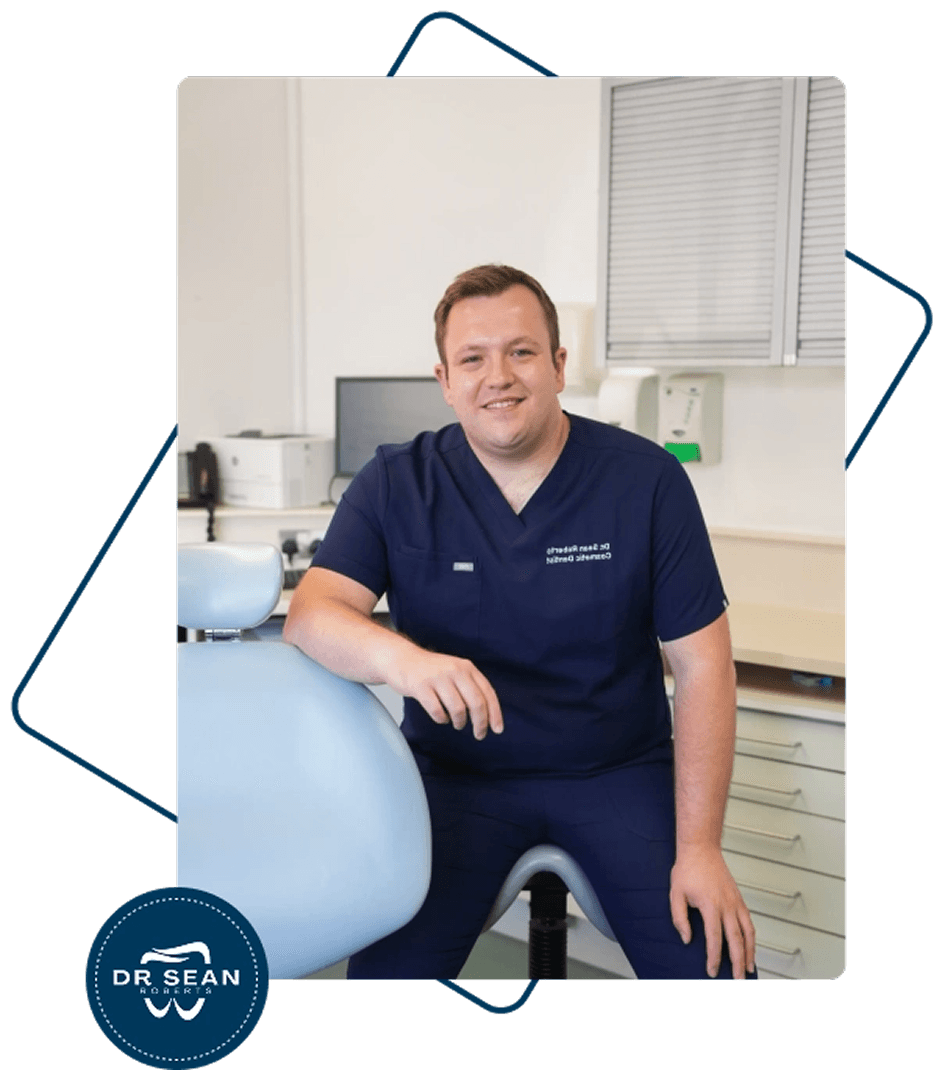
Habits become easier when they are realistic. Consider setting two anchor times for brushing, plan sweet treats with meals, and keep sugar-free options handy for energy dips. At your visit, Dr Sean Roberts can discuss small, sustainable steps that fit your schedule and priorities.
How To Reach Us
How To Reach Us
Set your destination to Friars Dental Clinic, Park Avenue, Aberystwyth SY23 1PB. Plan your route from Comins Coch in advance and allow time for town-centre traffic. Check any parking options in Aberystwyth before you travel.
Check current bus services from Comins Coch to Aberystwyth town centre and confirm the boarding stop and timetables for your day of travel. Allow time for the onward journey from the centre to Park Avenue.
If rail suits your plans, check train services to Aberystwyth and the timing of your preferred return. Allow for the onward journey from the station area to Park Avenue by walking or local transport.
Booking And Next Steps

Next Steps
To enquire about dental hygiene care or a gum-health assessment, contact Friars Dental Clinic in Aberystwyth. Call 01970 623 369 or email hello@drsean.dentist and mention any symptoms or concerns you would like checked.
If you feel nervous about dental treatment, please say so when you book. Sharing worries early allows the team to acknowledge them and talk through what to expect in a way that feels manageable for you.
Before you come, note where bleeding or tenderness occurs, how often you clean between teeth, and any products you use. Bringing these details helps focus the assessment and makes the home-care advice you receive more practical.
FAQ's
Frequently Asked Questions
Yes. Persistent bleeding, soreness or swelling can indicate gum disease and should be assessed. Professional cleaning and targeted home care usually improve bleeding, and earlier advice helps prevent problems from worsening.
Smoking raises the risk of gum disease and reduces blood flow, which can mask early signs. A professional clean supports prevention, but reducing or stopping tobacco has the greatest impact on future gum health.
Yes. The frequency of sugar exposure drives repeated acid attacks from plaque bacteria. Brushing twice daily with fluoride helps protect teeth, and regular professional cleaning supports prevention, but limiting sugary snacks and drinks remains essential.
Brush twice daily for about two minutes with fluoride toothpaste, spit not rinse, and clean between teeth with floss or interdental brushes. Ask a dental professional which tools and angles suit your mouth best.
Drive using the clinic address on Park Avenue, Aberystwyth SY23 1PB, or check bus services into the town centre with time for the onward journey. If rail works for you, plan trains to Aberystwyth plus your local connection.

Call The Practice
01970 623 369
Email Me
hello@drsean.dentist
Address
Friars Dental Clinic Park Avenue, Aberystwyth, SY23 1PB
All rights reserved © Dr Sean Roberts 2026
website designed and maintained by dentopia marketing
We use cookies to improve your browsing experience. You can accept all, reject all, or manage your preferences. See our Privacy Policy for more details.