By Car
Set your sat nav to Friars Dental Clinic, Park Avenue, Aberystwyth, SY23 1PB. For current driving directions from Cardigan to Park Avenue, use the published Google Maps route and check traffic conditions before you set off.

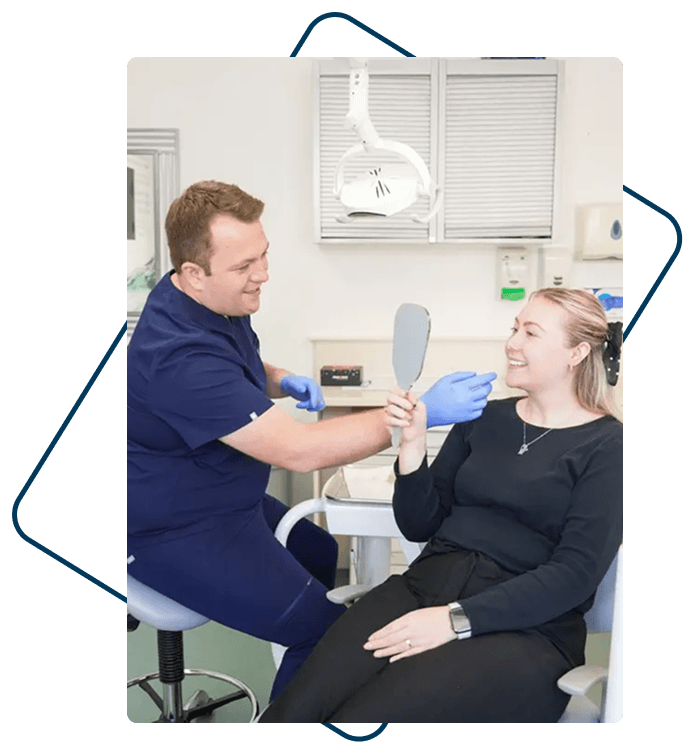
Preventive Dental Care

Dental Hygiene
Planning dental hygiene from Cardigan to Aberystwyth? Get clear, practical guidance on gum health, everyday care and professional cleaning, so your visit to Friars Dental Clinic feels purposeful and well-informed. Thinking about booking hygiene care and wondering what actually helps your gums stay healthy? This page explains the essentials, from a sustainable home routine to when professional care is worth considering, so you can make confident, well-informed decisions about your next steps.
A routine works best when it is realistic. If you are unsure whether your brushing reaches the gumline, whether to floss or use small brushes, or why gums sometimes feel sore, an assessment can help identify priorities and give you practical pointers tailored to your mouth.
Below, you will find a short guide to plaque and tartar, the gum changes that merit individual advice, what professional cleaning aims to do, and evidence-based daily techniques. The aim is to help you arrive prepared and leave with a plan you can keep up.
Plaque is a thin film of bacteria that forms on teeth every day. If not effectively removed, it contributes to gum disease and tooth decay. Brushing and cleaning between teeth disrupt plaque, yet it readily reforms, particularly along the gumline and in harder-to-reach spots.
When plaque hardens it becomes tartar, which routine brushing cannot remove. Tartar makes new plaque easier to trap. That is where our hygiene services are relevant: professional cleaning by a dental team can lift soft deposits and tartar to support gum health and reduce decay risk.
Build-up is common behind lower front teeth, on the inside surfaces of upper molars, at the edges of fillings or crowns, and where toothbrush bristles or floss do not physically reach. These areas benefit from targeted home techniques and, when required, professionally delivered cleaning.
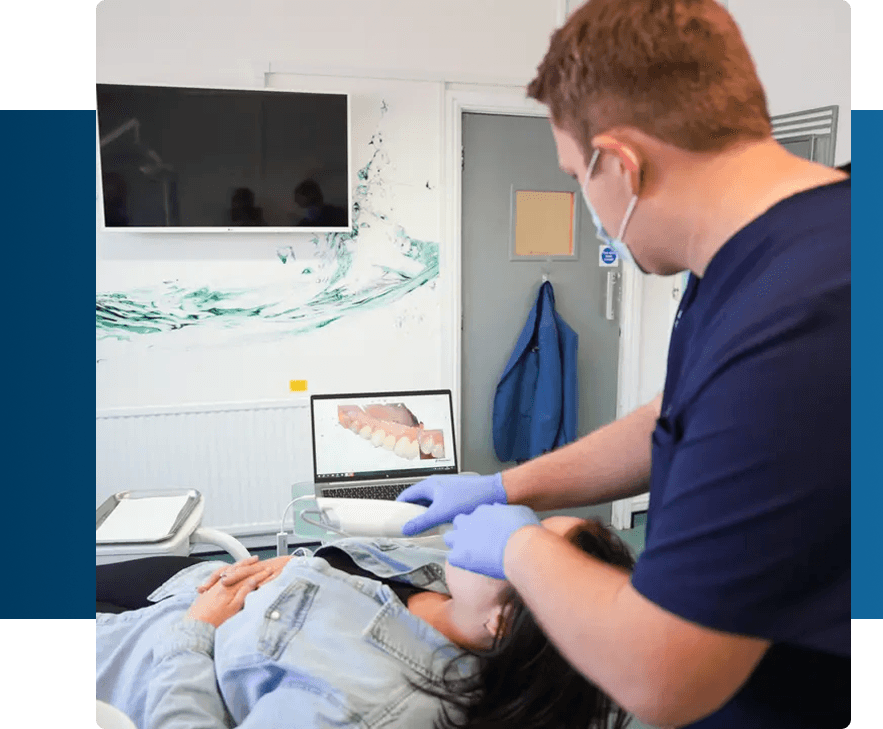
Red, swollen, tender or bleeding gums are warning signs and should prompt a dental assessment. Even if brushing feels thorough, bleeding that appears during cleaning or spontaneously can signal inflammation that deserves individual advice and, in some cases, professionally delivered care.
Other changes to mention include bad breath that does not lift with cleaning, a metallic taste, or gums that look puffy around particular teeth. If you notice plaque returning rapidly after brushing, that also suggests areas your current routine is not reaching consistently.
An early conversation helps clarify whether the issue is technique, tools, tartar that needs removing, or something else. Acting sooner supports your gum health and can make day-to-day cleaning feel more comfortable and effective.
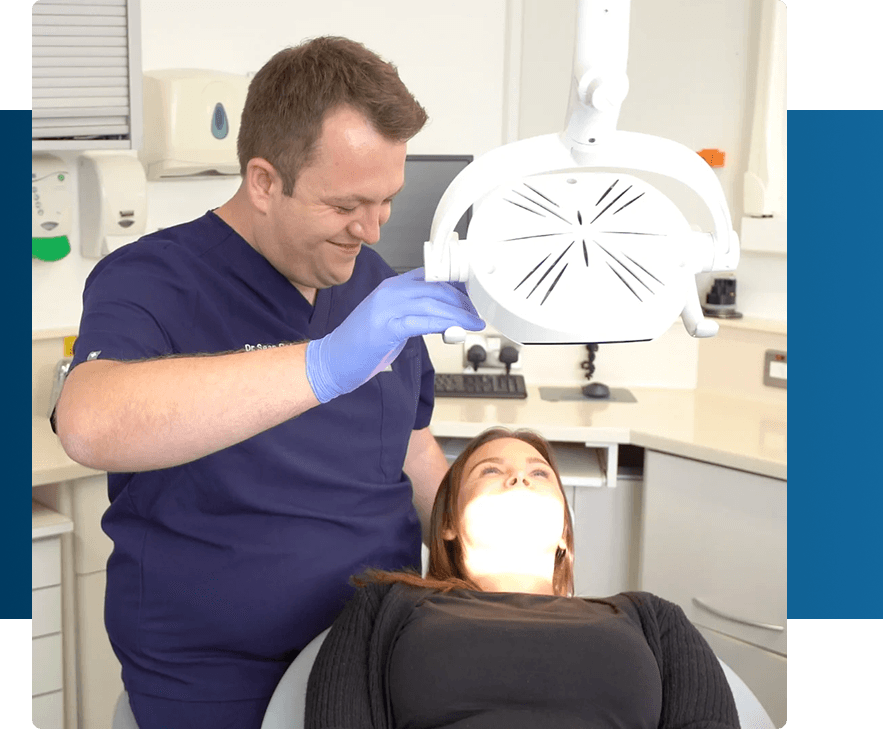
Professional cleaning focuses on removing soft plaque and hardened tartar that everyday brushing and flossing leave behind. This is sometimes called a scale and polish, although not everyone needs the same approach and this exact procedure is not provided at every visit.
The aim is preventive. By reducing deposits, professional cleaning helps prevent gum disease and tooth decay, and complements the home care you do each day. What happens during your appointment depends on your mouth and current gum health.
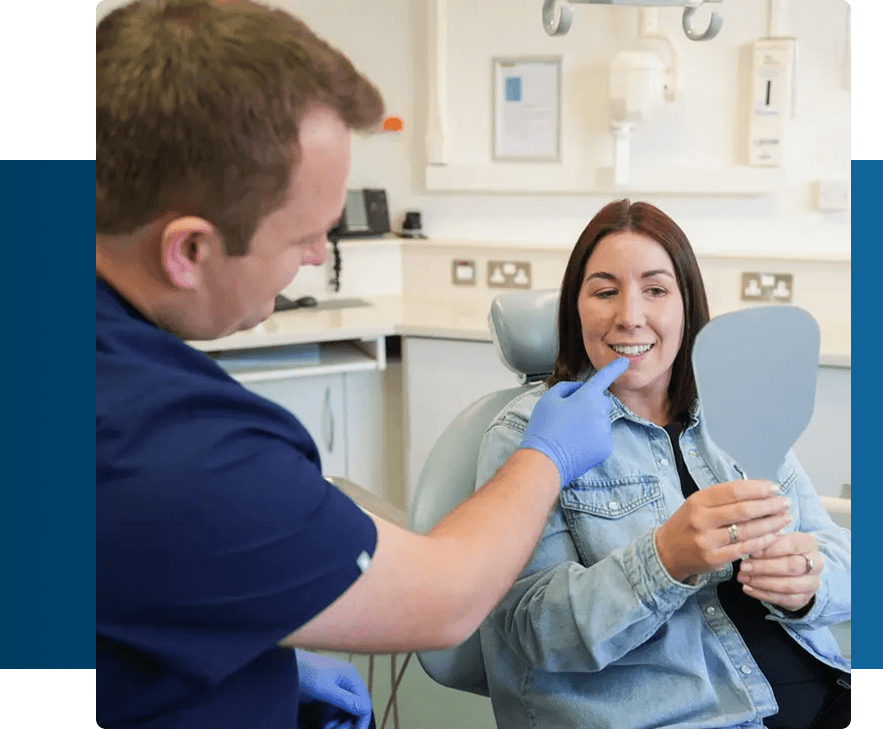
Brush twice a day for about two minutes with fluoride toothpaste, last thing at night and on one other occasion. Angle bristles gently towards the gumline and move methodically so every surface is covered, including the backs of the front teeth and the chewing grooves.
After brushing, spit out the excess and avoid rinsing straight away. This leaves a protective level of fluoride on your teeth, helping them resist decay between cleans without adding extra steps to your routine.
Cleaning between teeth is essential because bristles miss those contact points. Use floss or interdental brushes to dislodge food and plaque. A dental professional can assess your spacing and recommend methods and sizes that suit your mouth, so you remove more plaque with less effort.
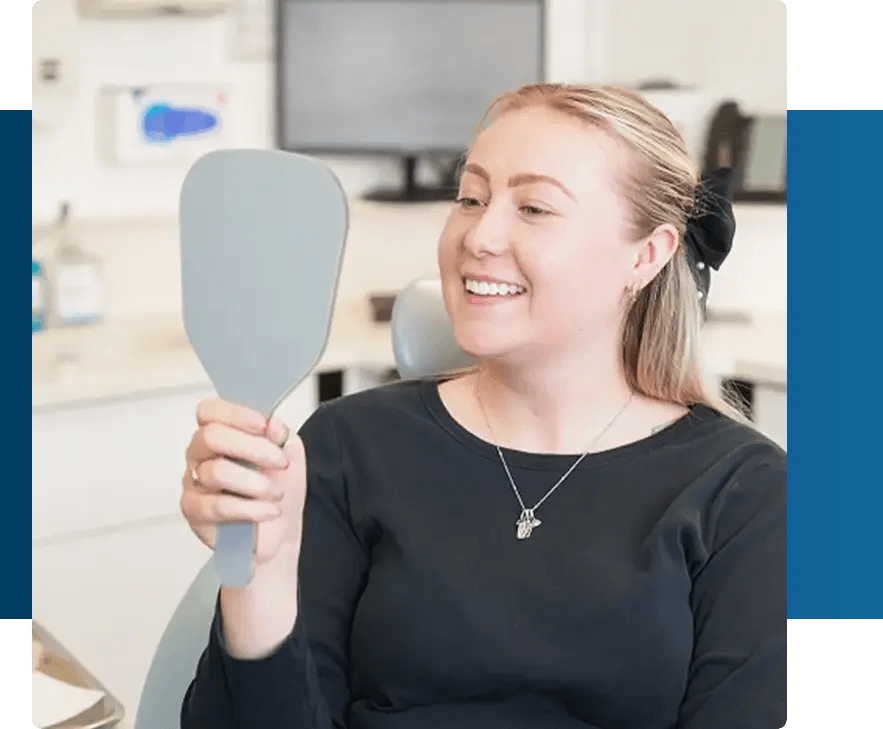
How often you should be seen is based on your individual risk and current oral health rather than a fixed six-month schedule. Your dentist will advise an interval that reflects your gum condition, decay risk and how well daily cleaning is working for you.
Everyday choices matter too. Limiting sugary snacks and drinks helps protect teeth from decay, while not smoking supports gum health. Combined with professional advice and targeted cleaning, these habits make it easier to keep your mouth comfortable and stable over time.
If you feel nervous about dental treatment, please say so when you enquire. Sharing your concerns early allows the team to talk through what worries you and agree simple steps that help you feel more at ease.
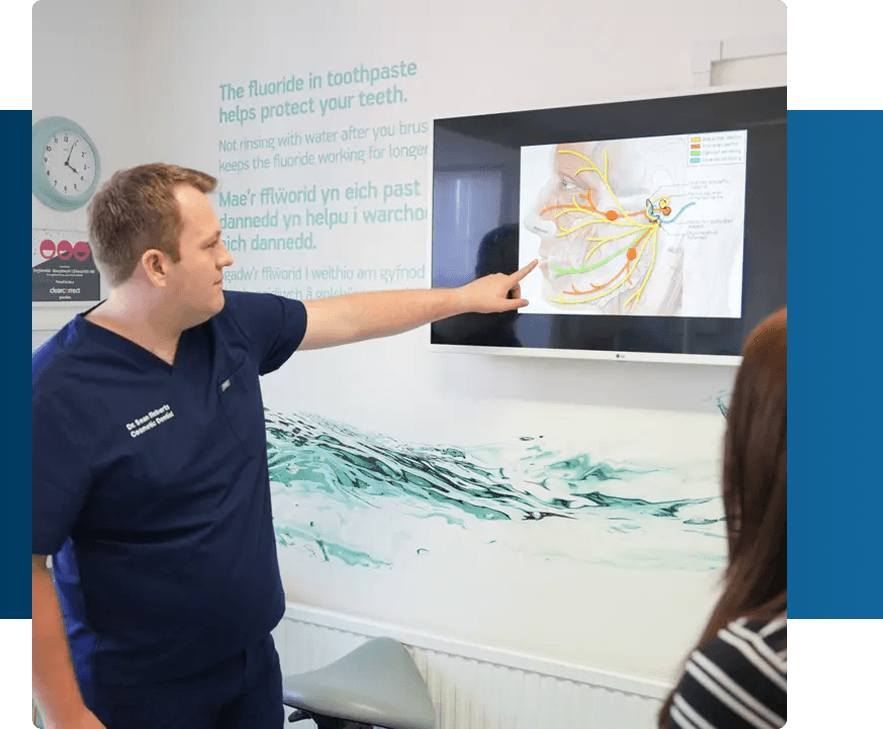
Practical Prevention
Dental Hygiene
BDS Manchester, 2018
Anchor your routine to moments that already happen. Brushing at bedtime after the kitchen is closed, then setting a morning reminder, reduces missed cleans. Add between-teeth cleaning on the evenings you have more time, then build frequency gradually as it becomes second nature.
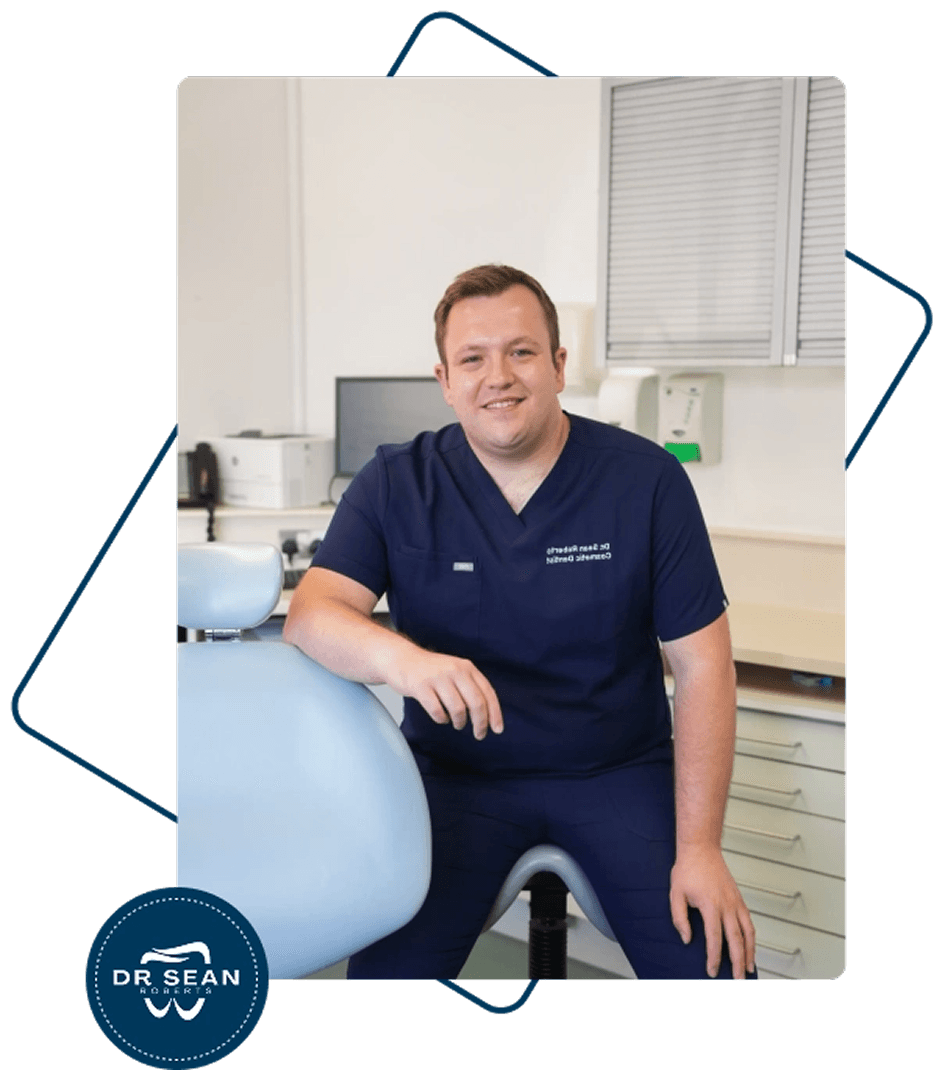
Bring questions about tools you find tricky. A dental professional can suggest interdental brush sizes for different gaps, show safer angles for back teeth where appropriate, and advise how to adapt around existing fillings or crowns. Jot notes to discuss with Dr Sean Roberts at your next visit.
Small practical tweaks help consistency. Keep a compact kit for travel days, choose a soft-bristled brush that is comfortable to hold, and replace it regularly. If evenings are unpredictable, move your thorough clean earlier, then do a quick refresh later, still remembering to leave fluoride in place.
How To Reach Us
How To Reach Us
Set your sat nav to Friars Dental Clinic, Park Avenue, Aberystwyth, SY23 1PB. For current driving directions from Cardigan to Park Avenue, use the published Google Maps route and check traffic conditions before you set off.
If travelling by bus from Cardigan, check current services and your boarding stop, then allow time for the onward journey within Aberystwyth to Park Avenue. Confirm any connections and walking time in advance of your visit.
If rail suits your plans, check services to Aberystwyth and how you will complete the final part of the journey to Park Avenue. Plan any local transport or walking time to arrive promptly for your appointment.
Booking And Next Steps

Next Steps
If you have questions about gum health, bleeding during brushing or a build-up you can feel with your tongue, you can arrange an assessment to discuss what is happening and whether professional cleaning would be useful for you.
To enquire, call 01970 623 369 or email hello@drsean.dentist. Please include a brief note of any symptoms you have noticed and any specific questions about home care, so the team understands what you would like to cover.
All care is provided at Friars Dental Clinic in Aberystwyth. If you feel nervous, mention this when you get in touch so concerns can be discussed. Check-up intervals and hygiene advice are tailored to what is appropriate for you.
FAQ's
Frequently Asked Questions
Brush twice daily for about two minutes with a fluoride toothpaste, last thing at night and on one other occasion. Work gently along the gumline and every surface so plaque has fewer places to linger.
Spit out excess toothpaste and avoid rinsing immediately. Skipping a rinse leaves fluoride on your teeth for longer, which helps protect them between cleans without adding time to your routine.
Floss and interdental brushes both remove plaque between teeth. The right option and size vary by mouth. A dental professional can assess your spacing and recommend a method that you can use comfortably and effectively.
If you can feel rough tartar, notice persistent bleeding or struggle to clean particular areas, professional removal of plaque and tartar can help. It complements home care and supports gum health and decay prevention.
For current driving directions from Cardigan to Friars Dental Clinic on Park Avenue, use the published Google Maps route and check traffic on the day. If using public transport, confirm times and connections in advance.

Call The Practice
01970 623 369
Email Me
hello@drsean.dentist
Address
Friars Dental Clinic Park Avenue, Aberystwyth, SY23 1PB
All rights reserved © Dr Sean Roberts 2026
website designed and maintained by dentopia marketing
We use cookies to improve your browsing experience. You can accept all, reject all, or manage your preferences. See our Privacy Policy for more details.