By Car
Set your route to Friars Dental Clinic, Park Avenue, Aberystwyth, SY23 1PB. Review traffic and your preferred roads before you leave, and plan your arrival so you have time to locate the clinic on Park Avenue.

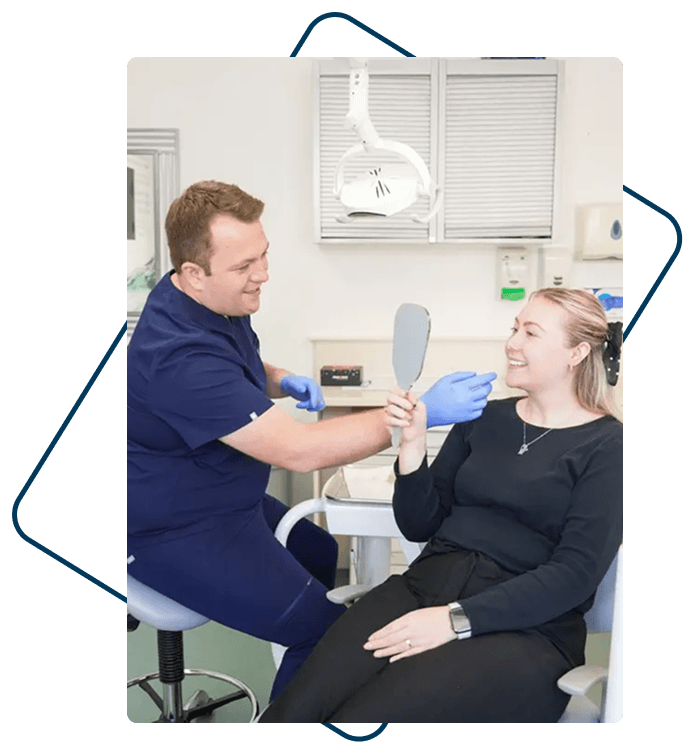
Preventive Dental Care

Dental Hygiene
Considering dental hygiene from Borth? Visit Friars Dental Clinic in Aberystwyth for clear advice, assessment-led cleaning and practical steps to protect gums and teeth between visits. If brushing leaves teeth feeling rough, you notice dark edges near the gums, or your gums bleed when you clean, it may be time to ask about a professional clean. This page explains what a clean can and cannot do, and how to decide on next steps without guessing.
The aim of a professional clean is to remove stubborn deposits that everyday brushing misses and to support gum health. By managing these deposits, cleaning can aid the prevention of gum disease and tooth decay, working alongside your daily routine rather than replacing it.
An assessment comes first. A dental professional looks at teeth and gums, checks where deposits sit, and advises whether professional cleaning is appropriate for you. That discussion helps set realistic goals, such as reducing bleeding, smoothing rough areas, or improving how easily you can keep plaque under control at home.
Plaque is a soft film of bacteria that forms constantly on teeth. If not cleared effectively, it can contribute to gum disease and tooth decay. Over time, plaque can harden into tartar that bonds to tooth surfaces and often needs professional instruments to remove safely and thoroughly.
The General Dentistry page lists hygiene services involving professional cleaning to remove plaque and tartar. This targeted cleaning supports the prevention of gum disease and tooth decay, especially where deposits collect behind lower front teeth, around the gumline or near existing restorations.
You might suspect tartar if teeth feel rough after brushing, stains reappear quickly, or floss catches at the gumline. In these situations, a professional clean focuses on the deposits causing the trouble, not just a quick polish. The goal is to make home care easier and more effective day to day.
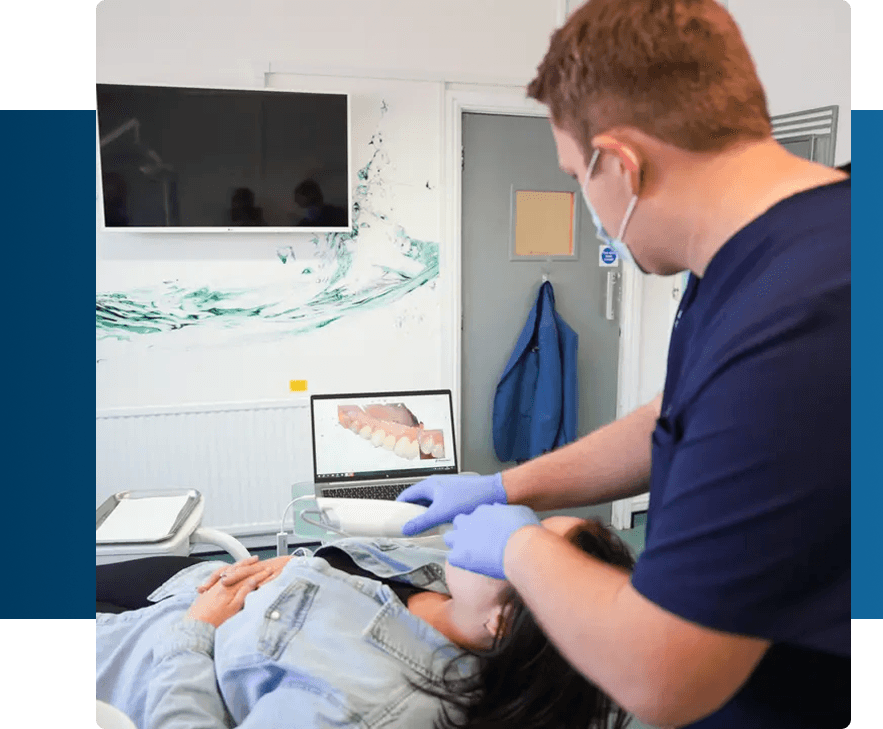
Red, swollen, sore or bleeding gums are common signs of gum disease. If you notice any of these, it is sensible to seek a dental assessment. A professional can check where inflammation is coming from and discuss whether cleaning and home-care changes are suitable for your situation.
Other pointers include persistent bad breath, tenderness when you press the gums, or areas that bleed even with gentle cleaning. Sensitivity around the edges of fillings or crowns can also indicate plaque build-up nearby. An examination helps identify which sites are affected and the most helpful first steps.
Even if symptoms come and go, asking for advice is worthwhile. Early guidance can reduce irritation before it becomes more complex. The discussion may cover professional cleaning, but also the way you brush and clean between teeth, so that inflammation has fewer places to start and persist.
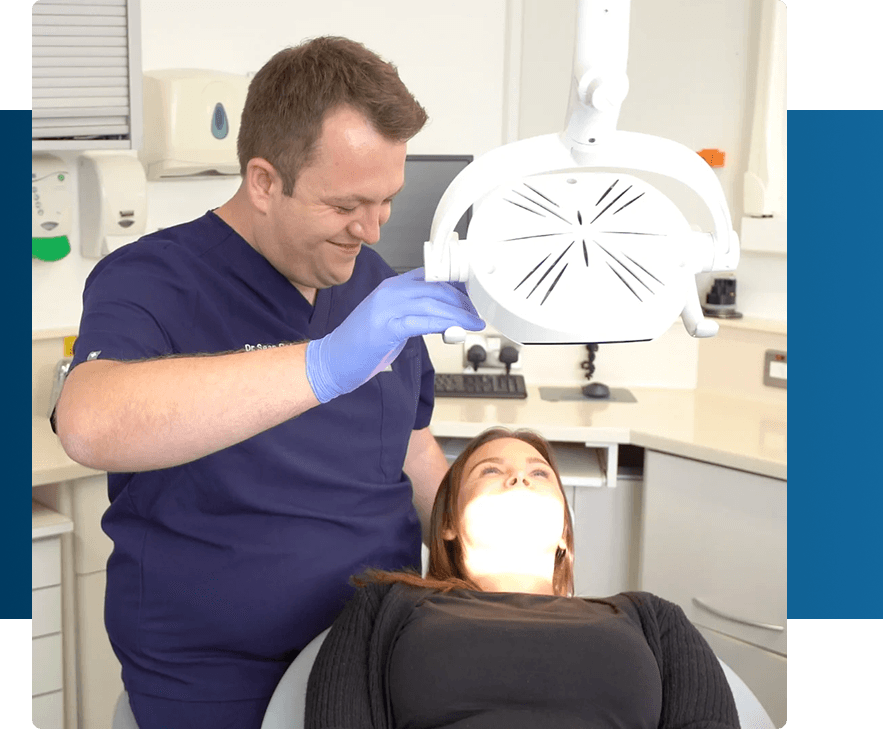
You may hear the term scale and polish. This describes professional removal of plaque and tartar, followed by smoothing of tooth surfaces. It is not a one-size procedure for everyone; the approach depends on your assessment findings, gum condition and where deposits are located.
When you enquire, ask which areas need attention, whether any sites under the gum are inflamed, and how your home routine should focus between visits. That way, any professional cleaning is planned around clear aims, such as reducing bleeding or removing specific tartar that brushing cannot shift.
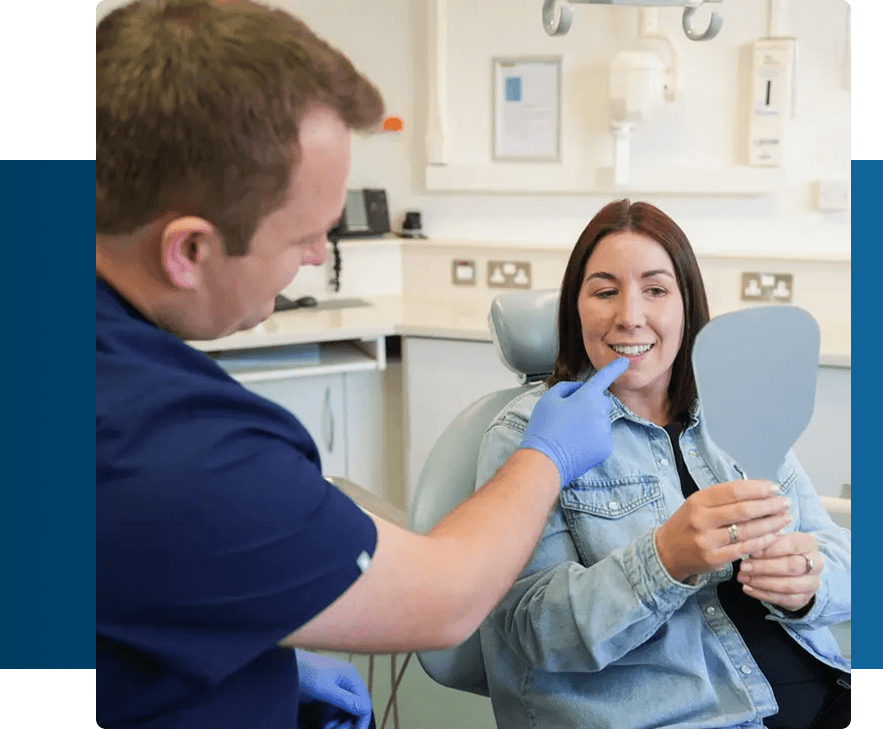
Brushing twice a day for about two minutes with fluoride toothpaste helps to control plaque and protect teeth. After brushing, spit out excess toothpaste rather than rinsing straight away, so more fluoride stays on the teeth. Use a gentle, systematic technique along the gumline.
Cleaning between teeth with floss or interdental brushes helps remove plaque, food and debris from places a toothbrush cannot reach. The right method and size can vary between people and even between teeth. A dental healthcare professional can recommend suitable ways to clean between the teeth for you.
Try to limit sugary foods and drinks, especially between meals, as frequency of sugar exposure matters for tooth decay. Choose a soft or medium brush head and replace it when the bristles splay. A powered brush can help some people, but consistency matters more than the specific device.
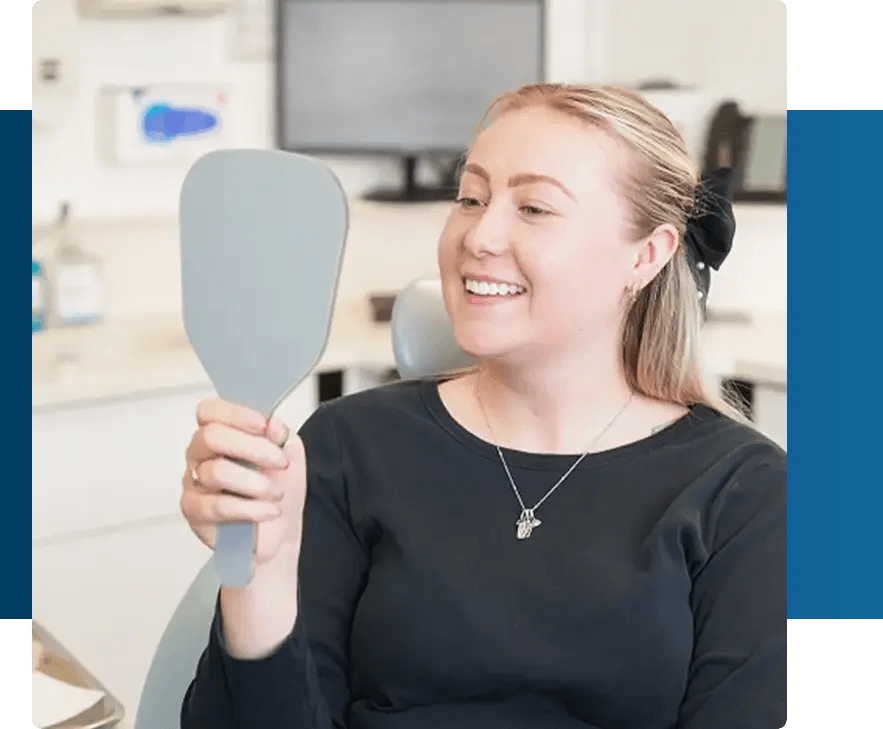
Check-up intervals are not the same for everyone. How often you need a review depends on your individual oral health and risk, rather than a fixed six-month rule. Your clinician will advise a timeframe that reflects your gums, teeth and how well deposits are controlled over time.
Consider asking how smoking, dry mouth, certain medicines or frequent snacking may influence your gum health and decay risk. Not smoking and limiting sugar intake both support oral health. Understanding your personal risk factors makes it easier to prioritise habits that deliver the biggest benefit.
It can help to track which teeth collect plaque fastest or bleed when brushing. Share that pattern at your next visit so advice is targeted. If certain sites remain hard to clean, ask about adjusting brush angles or interdental sizes, and what improvements to look for as signs of progress.
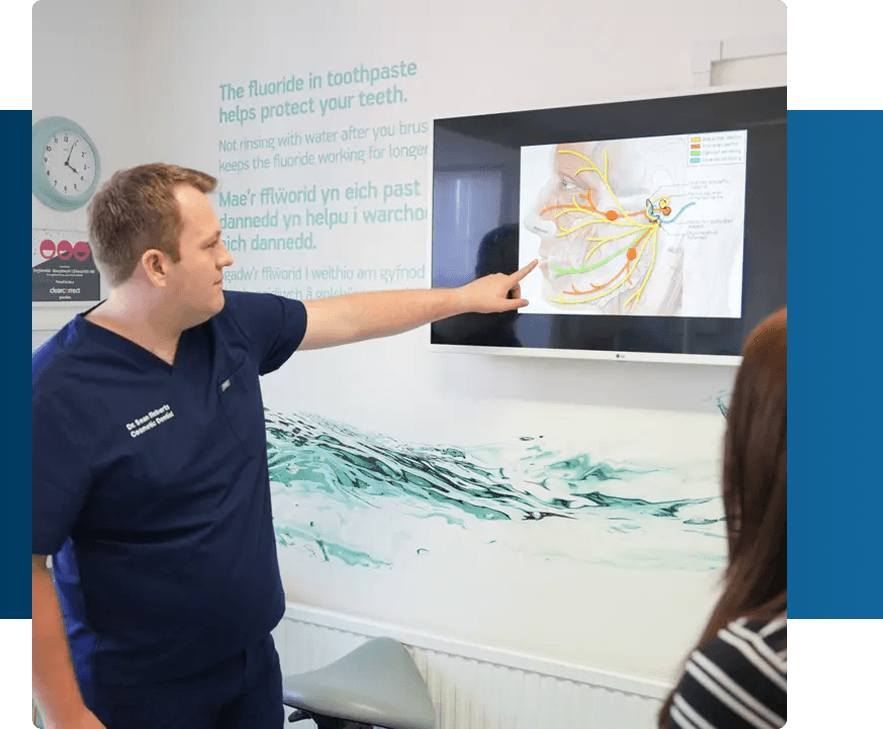
Practical Prevention
Dental Hygiene
BDS Manchester, 2018
Start by asking what the clean is aiming to achieve for you: smoothing rough tartar, reducing bleeding at specific sites, or tackling stain. If you value a clear plan, request a simple map of priority areas so your home care can focus where it will make the most difference.
If you have sensitive teeth or past discomfort during cleaning, raise this before you start. Ask which tips or instruments are likely to be used and how to minimise sensitivity at home, for example by brushing gently along the gumline and choosing fluoride toothpaste designed for sensitive areas.
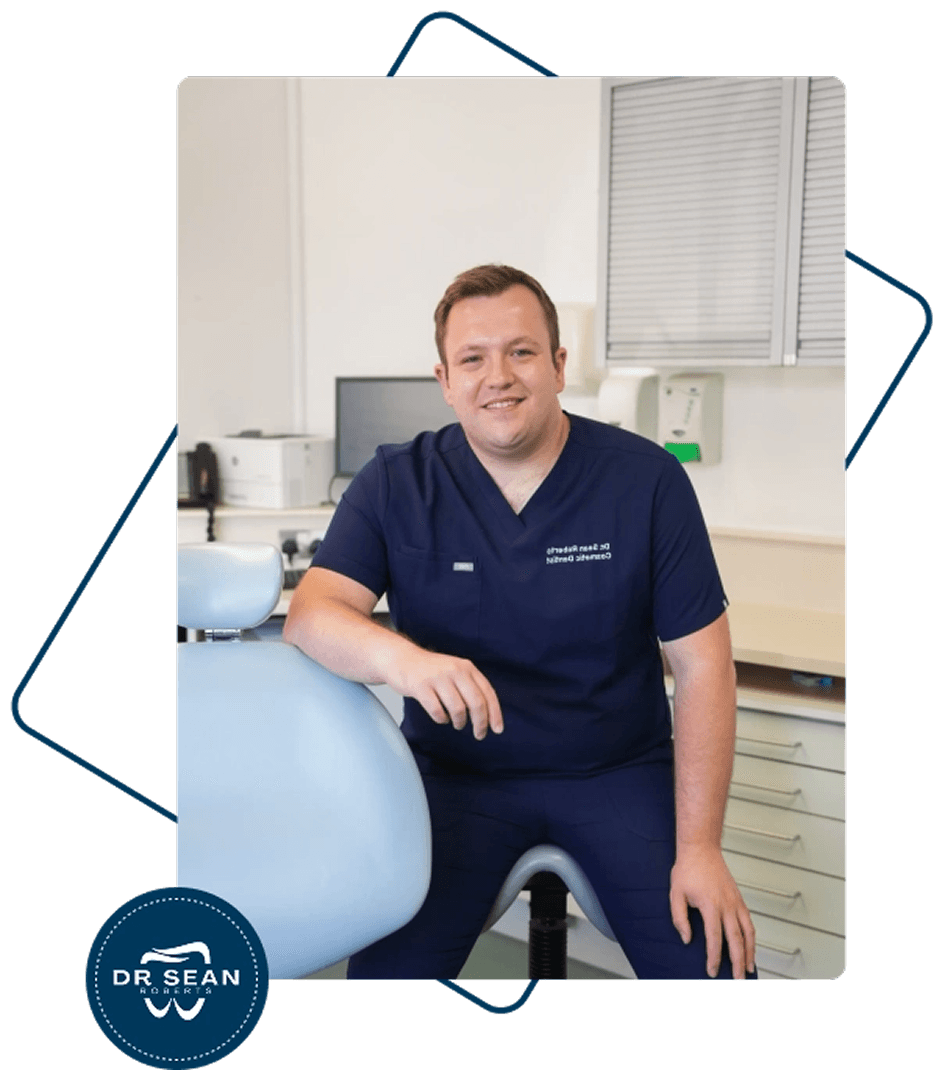
If you prefer a conversation-led approach, you can ask Dr Sean Roberts which areas tend to collect build-up in your mouth and the signs that tell you cleaning is working. Useful signs include less bleeding on brushing, smoother roots at previously rough spots and easier interdental cleaning.
How To Reach Us
How To Reach Us
Set your route to Friars Dental Clinic, Park Avenue, Aberystwyth, SY23 1PB. Review traffic and your preferred roads before you leave, and plan your arrival so you have time to locate the clinic on Park Avenue.
Check current bus services from Borth to Aberystwyth and the nearest stop for Park Avenue. Allow time for the onward walk or local connection from your arrival stop to the clinic address.
If rail is convenient from your area, check services to Aberystwyth, then plan the short onward leg to Park Avenue. Confirm times close to travel, as timetables and connections can change.
Booking And Next Steps

Next Steps
To ask about a professional clean at Friars Dental Clinic in Aberystwyth, contact the team by phone on 01970 623 369 or email hello@drsean.dentist. Share any recent gum symptoms, difficult-to-clean spots or sensitivity so your assessment can focus on what matters most to you.
If you feel nervous about dental treatment, please say so when you book. Telling the team early allows your concerns to be discussed in advance, so you know what the first visit will cover and which questions to bring.
Before you come, think about when gums bleed, which teeth feel rough and how you currently brush and clean between teeth. Bringing those details helps the clinician recommend practical, achievable steps, with professional cleaning added if the assessment shows it is appropriate.
FAQ's
Frequently Asked Questions
If brushing still leaves rough patches, stains return quickly or gums bleed, professional cleaning may help. An assessment checks where deposits sit and whether scaling is appropriate, then advises how cleaning and home care can work together for healthier gums.
Everyday brushing removes soft plaque, but hardened tartar and plaque trapped under the gum often need professional instruments. A clean targets these deposits and then smooths surfaces, making day-to-day brushing and interdental cleaning more effective.
Ask what the clean aims to achieve, which teeth or gum sites are priorities, and how your home routine should focus between visits. Clarify whether the main issue is stain, tartar or inflammation, so expectations and self-care match your needs.
Bleeding suggests gum inflammation that deserves assessment. A scale and polish may be part of your care, but not everyone needs the same approach. Advice usually combines targeted professional cleaning with improvements to brushing and between-teeth cleaning.
Many patients drive to Park Avenue, Aberystwyth, SY23 1PB using their preferred route. If using public transport, check current bus and train options to Aberystwyth and plan the short onward leg to the clinic address.

Call The Practice
01970 623 369
Email Me
hello@drsean.dentist
Address
Friars Dental Clinic Park Avenue, Aberystwyth, SY23 1PB
All rights reserved © Dr Sean Roberts 2026
website designed and maintained by dentopia marketing
We use cookies to improve your browsing experience. You can accept all, reject all, or manage your preferences. See our Privacy Policy for more details.