Dental Hygiene

Worried About Plaque Or Tartar?
Dental Hygiene For Blaenplwyf

Dr Sean Roberts speaking with a patient during a dental appointment

Preventive Dental Care

tag

Dental Hygiene

A Reassuring Start For Cleaner, Healthier Teeth

Considering dental hygiene near you? Travel from Blaenplwyf to our Aberystwyth clinic for well-informed care, professional cleaning advice and practical steps to keep gums healthy. If you have noticed a rough patch near the gumline, dark deposits between teeth or bleeding when brushing, you are not alone. A dental assessment can clarify whether you are seeing soft plaque or hardened tartar, and what practical steps will help protect your teeth and gums.

Making the short journey into Aberystwyth for a hygiene-focused appointment can be a helpful reset. You will have time to describe where deposits recur, any sensitivity, and what you currently use to clean between your teeth. These details guide advice that fits your mouth and daily routine.

Good hygiene care combines professional cleaning with daily oral care. A thorough clean supports gum health, but it does not replace what you do at home. Expect clear guidance on safe, effective techniques and how to spot areas that need extra attention between visits.

Plaque, Tartar And When A Professional Clean Helps

Plaque is a soft, almost invisible film of bacteria that forms on teeth every day. Left in place, plaque contributes to gum disease and tooth decay. It can collect around the gumline, between teeth and on the backs of lower front teeth where saliva glands open.

When plaque hardens it becomes tartar. Toothbrush bristles do not remove tartar. This is where a professional clean within our hygiene services can be relevant, because the aim is to safely lift hardened deposits from tooth surfaces that are difficult or impossible to manage at home.

You might notice tartar as a yellow, brown or chalky band at the gum edge or a stubborn roughness that traps stain. Make a note of where these areas keep returning. Describing specific spots during your assessment helps target advice and any recommended cleaning more precisely.

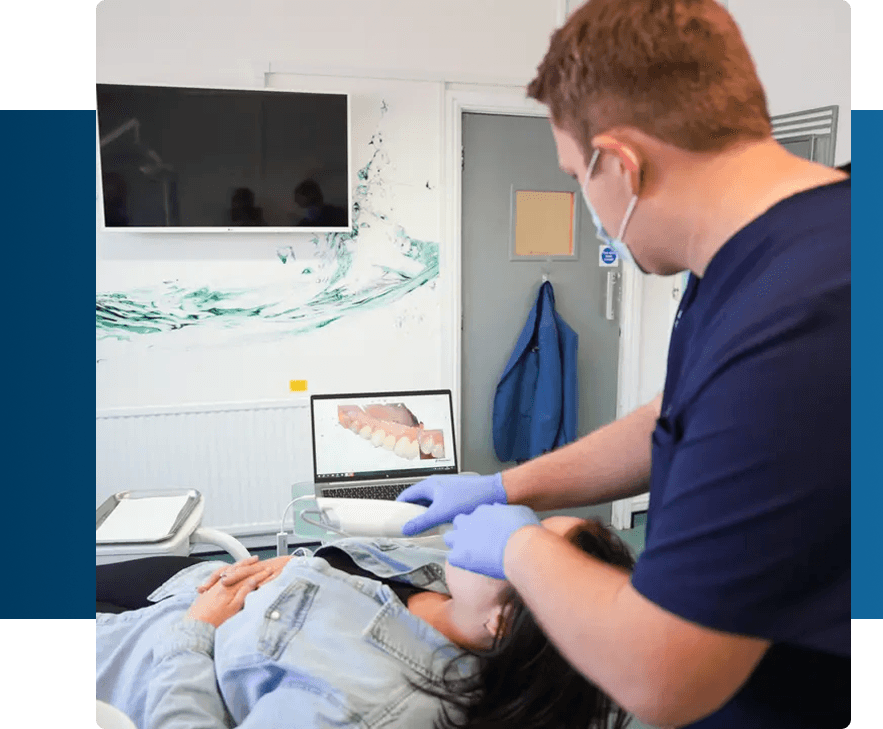
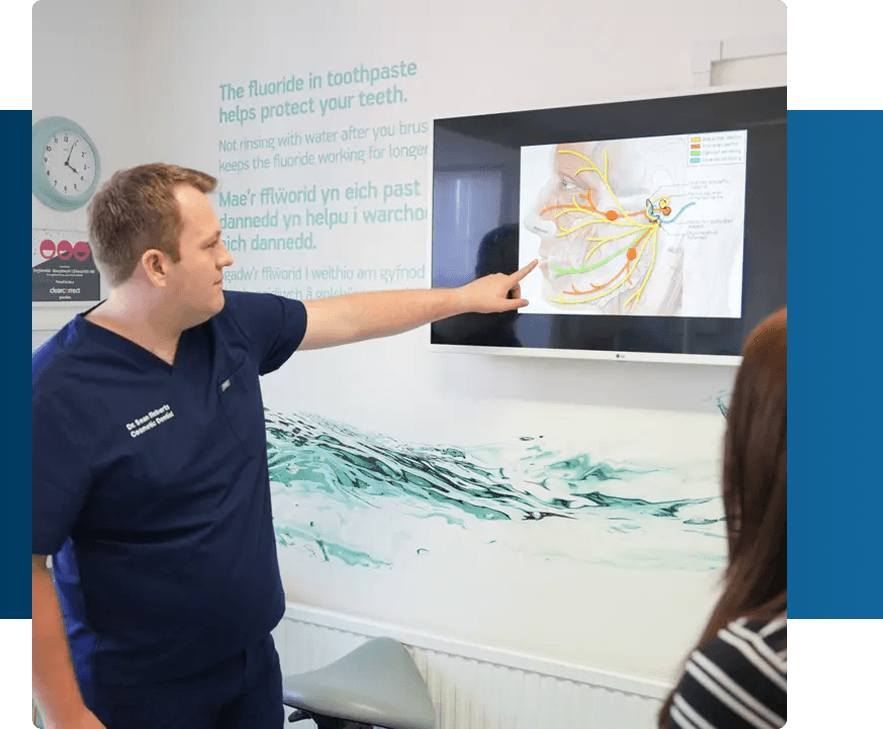
Dr Sean Roberts showing a patient a digital dental scan

Noticing Sore, Swollen Or Bleeding Gums

Red, swollen, sore or bleeding gums are common signs of gum disease. If you are seeing blood on your toothbrush or in the sink, especially regularly, it is sensible to ask for a dental assessment so the cause can be identified and managed appropriately for you.

Bleeding when using floss or interdental brushes usually reflects inflamed gums rather than you having done something wrong. Do not stop cleaning the area. Instead, seek guidance on gentler technique, the right interdental size and how long it may take for gums to settle as health improves.

Gum problems can be present even if teeth feel fine. A check will look beyond visible deposits to assess your gum health more fully. Early, tailored advice often reduces symptoms and helps prevent further problems, especially when combined with consistent home care.

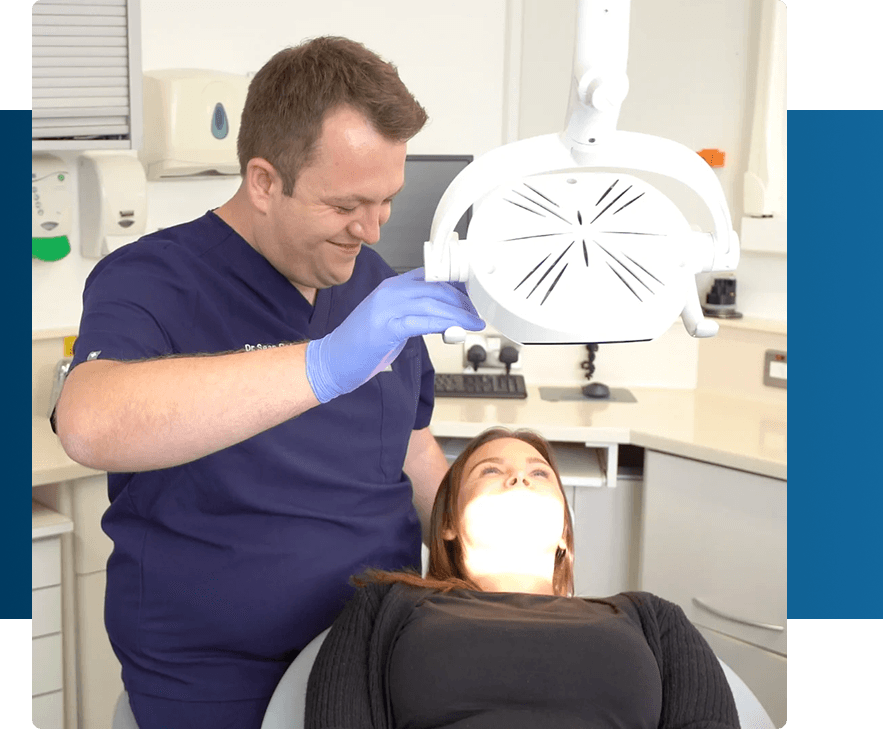
Dr Sean Roberts treating a patient in the dental chair

What A Professional Clean Can Involve

Professional cleaning focuses on the safe removal of plaque and tartar from tooth surfaces. Depending on your needs, this may include approaches such as a scale and polish, but not everyone requires the same method. The exact steps are decided after examining your teeth and gums.

The goal is to leave surfaces clean to support everyday brushing and interdental care. A well-executed clean aids the prevention of gum disease and tooth decay, but it sits alongside, not instead of, your daily routine. Your dentist will discuss what is appropriate for your mouth.

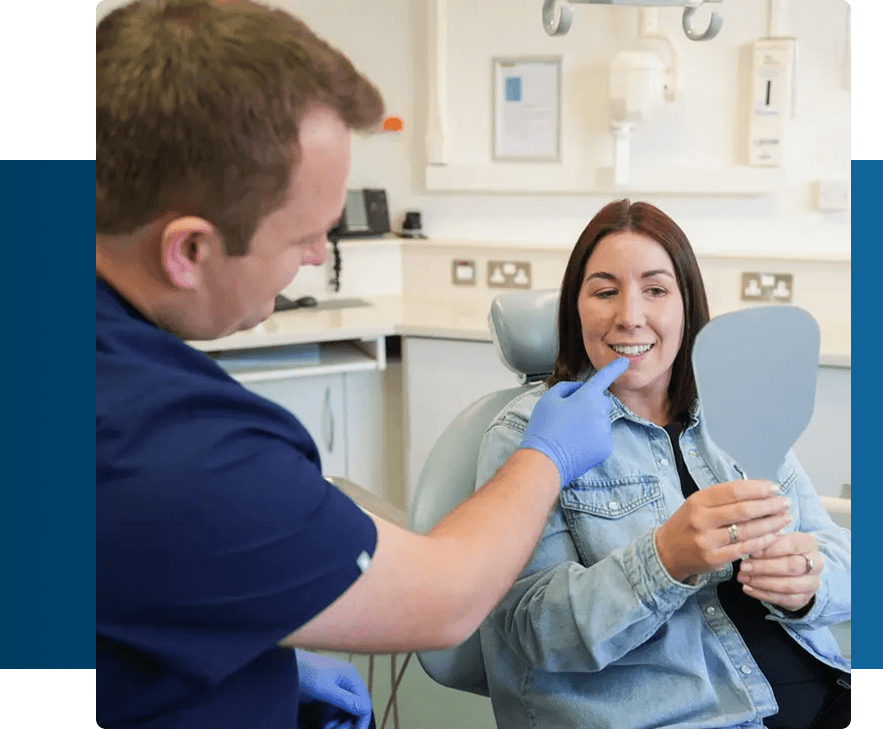
Dr Sean Roberts discussing dental care with a patient

Daily Brushing, Fluoride And Cleaning Between Teeth

Brushing twice a day for about two minutes with fluoride toothpaste helps control plaque and protect teeth. Use a small-headed brush and gentle, circular movements along the gumline. Excess pressure risks wear without improving cleaning, so let the bristles and your timing do the work.

After brushing, spit out excess toothpaste rather than rinsing immediately. Avoiding a rinse leaves more fluoride on your teeth for longer, which supports enamel and makes it harder for acids to cause damage between brushing sessions.

Cleaning between teeth with floss or interdental brushes helps remove food, debris and plaque from places your toothbrush cannot reach. A dental professional can recommend suitable ways to clean between the teeth for your mouth, including the sizes or methods that are most effective and comfortable.

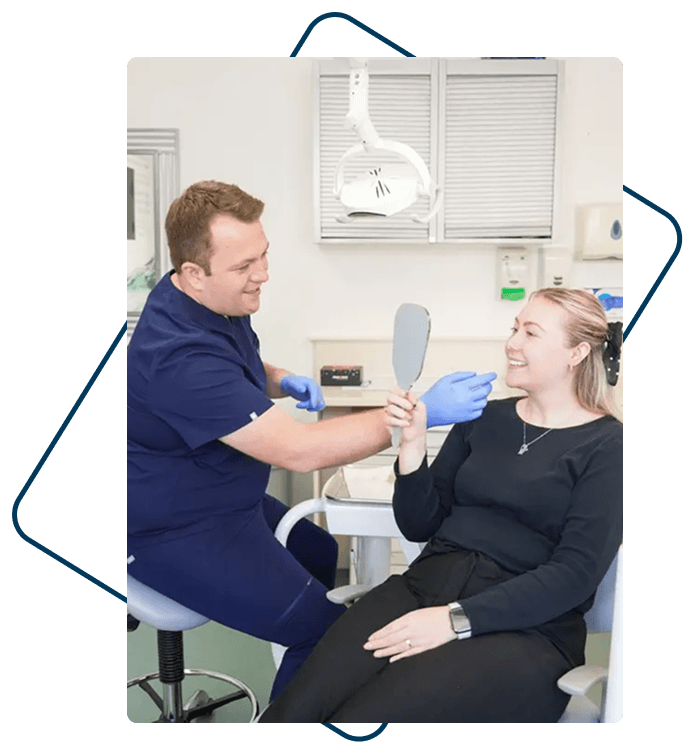
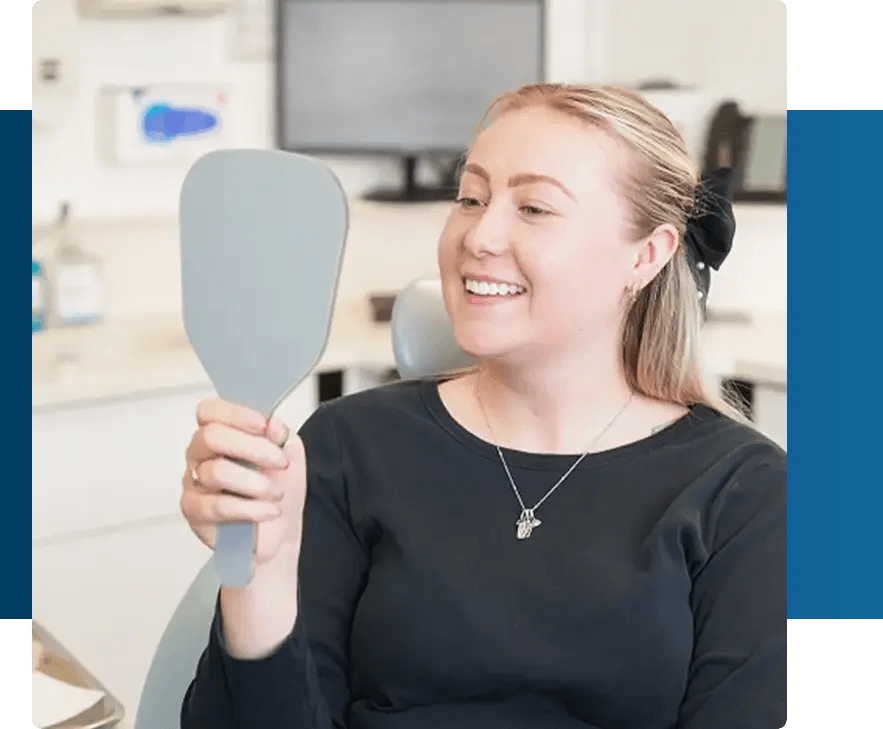
Patient smiling while holding a mirror during a dental appointment

Tailoring Preventive Care To Your Mouth

Check-up intervals are not the same for everyone. They depend on your individual oral health and risk rather than a fixed six-month schedule. After assessing your gums and teeth, your dentist will recommend a review period that reflects what they find and your response to home care.

Make your visit count by asking focused questions. Which areas am I missing when I brush? Would a change in technique help this site that bleeds? What is the best way to clean around a tight contact or the edge of a crown without causing irritation?

Everyday choices play a role too. Limiting sugar intake supports tooth health, while not smoking supports gum health. Pairing these habits with consistent brushing and interdental cleaning can make a noticeable difference to comfort, freshness and the long-term stability of your gums.

Dr Sean Roberts explaining treatment planning to a patient

Practical Prevention

tag

Dental Hygiene

Selecting Interdental Aids For Hard-To-Clean Spaces

GDC - 277706

BDS Manchester, 2018

Spaces vary along a single mouth. Tight contacts between front teeth often suit floss or dental tape, whereas wider gaps between back teeth usually benefit from interdental brushes in different sizes. Insert brushes gently at the gumline, angling slightly inwards, and never force a size that feels too tight.

Around crowns or a fixed bridge, you may need a small brush threaded under the connector or a specialist floss with a firm end to guide it through. If you are unsure, Dr Sean Roberts can advise which designs and sizes suit different areas once your mouth has been assessed.

Practical tips help at home. Keep two brush sizes if your gaps differ, replace them when bristles splay, and clean slowly rather than scrubbing. If an area bleeds, continue gentle cleaning and mention it at your appointment, as this often reflects inflammation that improves with consistent care.

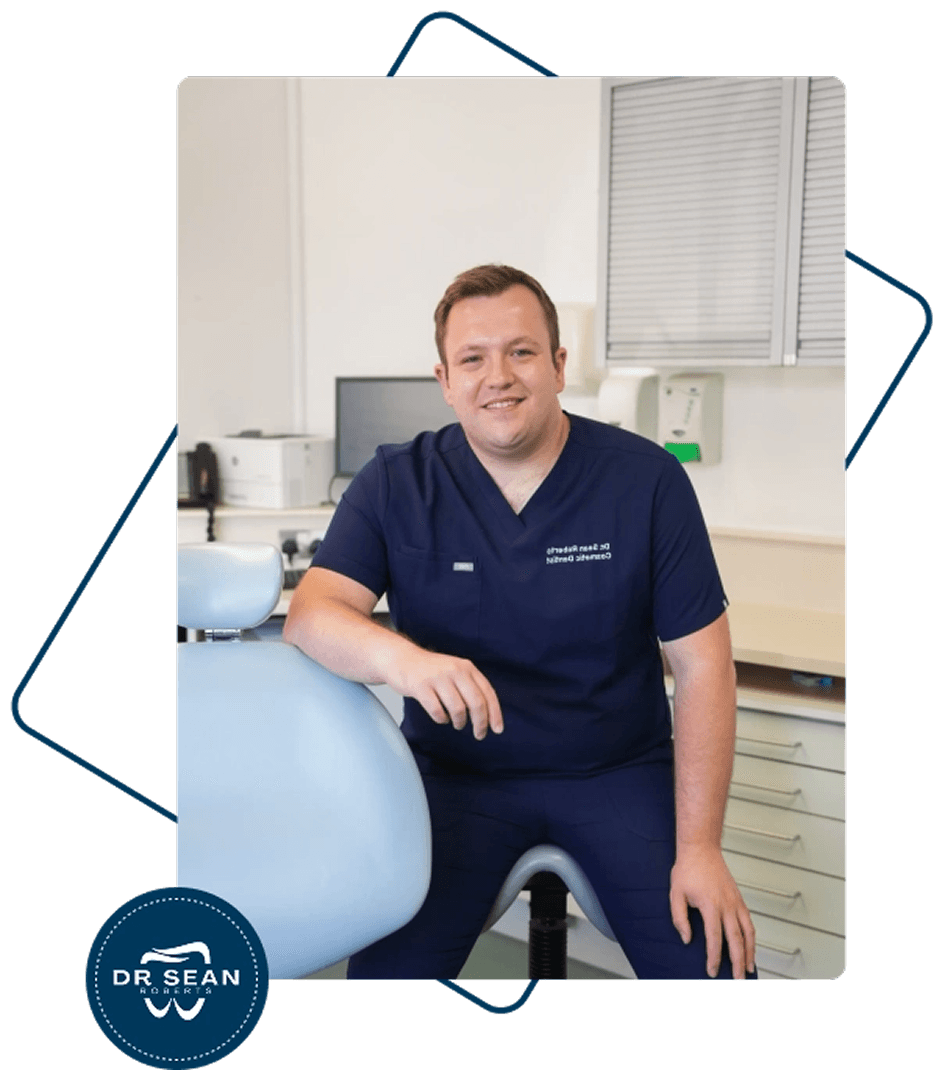
Dr Sean Roberts seated beside a dental chair in Aberystwyth

How To Reach Us

tag

How To Reach Us

How To Reach Us

By Car

Plan your drive from Blaenplwyf to Friars Dental Clinic using Google Maps. Our address is Park Avenue, Aberystwyth, SY23 1PB. Check the suggested route and traffic before you set off and follow directions to Park Avenue in central Aberystwyth.

By Bus

If you prefer public transport, check current bus services from Blaenplwyf to Aberystwyth, confirm your boarding stop and timings, then allow time for the onward journey to Park Avenue. Operators and timetables can change, so review details on the day you travel.

By Train

Rail may suit some journeys if it fits your plans. Check availability and the onward connection you will use once in Aberystwyth to reach Park Avenue. Times and services vary, so confirm arrangements before travelling.

Booking And Next Steps

tag

Next Steps

Booking And Next Steps

If you want to discuss professional cleaning, plaque and tartar removal or gum health, get in touch with Friars Dental Clinic. Describe the areas that worry you, such as a recurring deposit or bleeding site, and any daily routines you already follow at home.

You can call 01970 623 369 or email hello@drsean.dentist to enquire about a hygiene-focused assessment. Bringing clear examples, like where a rough patch returns or which interdental sizes you have tried, helps shape well-informed advice.

If you feel nervous about dental treatment, let the team know when you book. Sharing your concerns early means your questions can be addressed, and you can discuss the steps that may help you feel comfortable during your visit.

FAQ's

tag

Frequently Asked Questions

Frequently Asked Questions

Tartar is mineralised plaque that sticks firmly to teeth. Its rough surface holds new plaque and can irritate gums, contributing to inflammation and bleeding. Toothbrushes do not remove tartar, so a professional clean is the appropriate way to tackle hardened deposits.

Ask for an assessment if you can see a hard yellow or dark band at the gumline, feel a recurring rough patch that traps stain, or notice regular bleeding. Professional removal can then be planned appropriately for your mouth.

Use floss or tape for tight contacts where brushes will not fit. Choose small interdental brushes for larger gaps. A dental professional can suggest the right sizes and techniques so you can clean these spaces gently and effectively every day.

Hard brushing can wear tooth surfaces and irritate gums without improving results. Aim for two minutes, twice daily, with fluoride toothpaste and gentle circular movements at the gumline. Spit, do not rinse, to leave more fluoride on your teeth.

Plan a short drive with Google Maps to Friars Dental Clinic, Park Avenue, Aberystwyth, SY23 1PB. For public transport, check up-to-date bus services and your onward connection in Aberystwyth. Confirm details on the day you travel.

All rights reserved © Dr Sean Roberts 2026
website designed and maintained by dentopia marketing

We use cookies to improve your browsing experience. You can accept all, reject all, or manage your preferences. See our Privacy Policy for more details.