By Car
Friars Dental Clinic is at Park Avenue, Aberystwyth, SY23 1PB. Check your route before leaving and allow time to locate the entrance on Park Avenue using your preferred mapping app for directions.

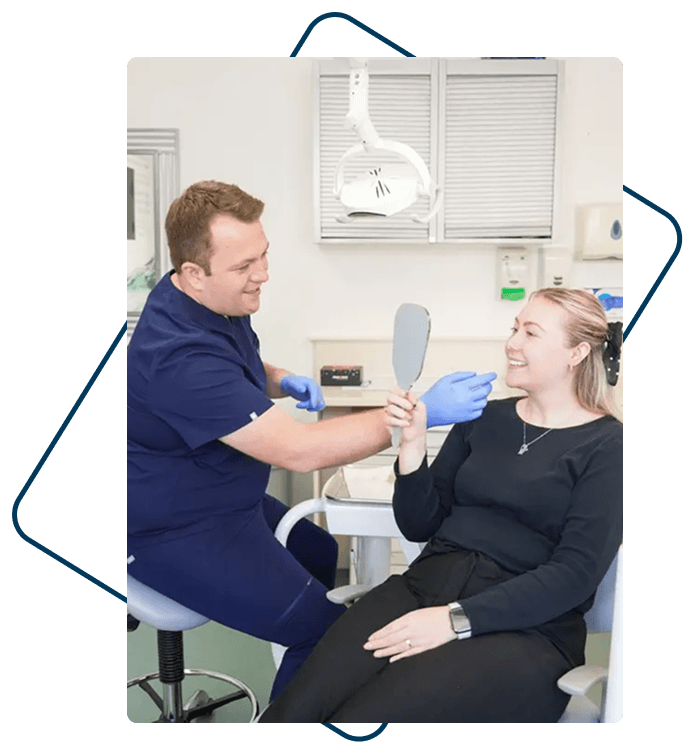
Preventive Dental Care

Dental Hygiene
Plan a dental hygiene visit from Aberporth to Aberystwyth with clear guidance on professional cleaning, gum health and everyday care, so you can choose the right clean for you. When you are planning a dental hygiene visit, it helps to understand what sort of clean is worthwhile. Everyday brushing keeps teeth fresh, but a professional clean targets deposits that home care often leaves behind. The aim here is to help you decide what to request before you travel.
At Friars Dental Clinic, hygiene services include professional cleaning to remove plaque and tartar that can be hard to shift at home. This type of care supports the prevention of gum disease and tooth decay, complementing your daily routine rather than replacing the brushing you already do.
If you mainly want a brighter feel, a polish may sound appealing; however, gum signs such as bleeding or soreness matter more than surface shine. The next sections explain what professional cleaning can remove, when gum symptoms need individual assessment, and how to ask focused questions.
Plaque is a soft film of bacteria that forms on teeth and along the gumline. If not removed, it contributes to both gum disease and tooth decay. Brushing and good daily cleaning help control plaque, but hardened deposits may still accumulate over time.
When plaque mineralises it becomes tartar, which feels hard or rough and often traps further plaque. Toothbrushes and floss cannot remove tartar; a dental professional uses appropriate instruments to lift these deposits safely. Addressing tartar is one reason a professional clean can be relevant.
Clues you might notice include roughness behind lower front teeth, stain that catches at the gum edge, or bleeding when you clean between teeth. A professional assessment can confirm whether targeted cleaning is indicated and where it should focus for your mouth.
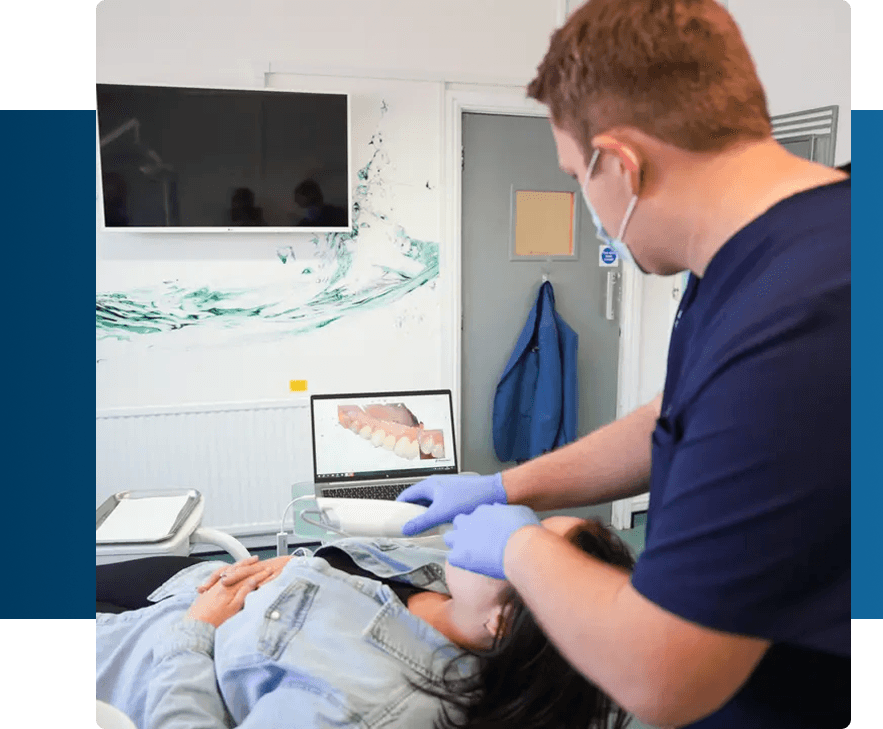
Red, puffy, sore or bleeding gums are warning signs of gum disease and should prompt a dental assessment. Do not ignore bleeding as normal; even small amounts during brushing or cleaning between teeth are worth reporting.
If you notice bleeding, the priority is to understand why rather than request only a quick polish. An assessment helps identify where deposits sit and how your cleaning technique can be improved. Timely advice and professional cleaning can support gum recovery when appropriate.
Some habits affect gum health too. Smoking increases the risk of gum disease and may mask bleeding, while high sugar intake raises the risk of tooth decay. Reducing smoking and limiting sugary snacks support your oral health as part of everyday self-care.
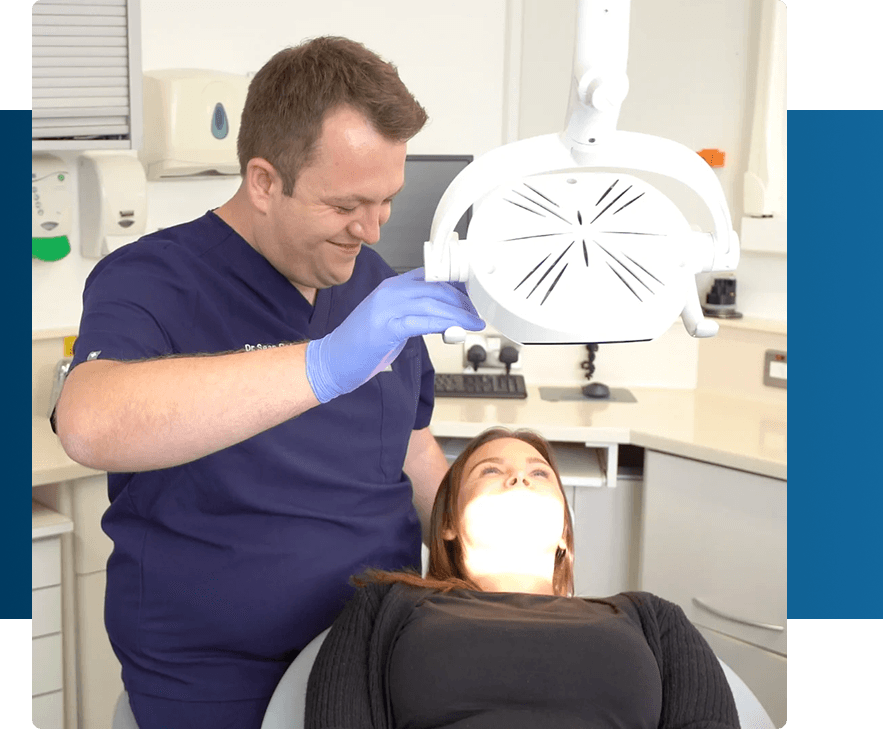
A professional clean focuses on removing plaque and tartar from tooth surfaces, especially around the gumline and hard-to-reach areas. You may hear the term scale and polish, which refers to professional removal of plaque and tartar, sometimes followed by polishing. Not every patient needs the same procedure.
The exact cleaning recommended depends on your examination and gum health. Professional cleaning supports the prevention of gum disease and tooth decay, but it works alongside what you do at home. Your clinician will advise what approach is suitable for you after an assessment.
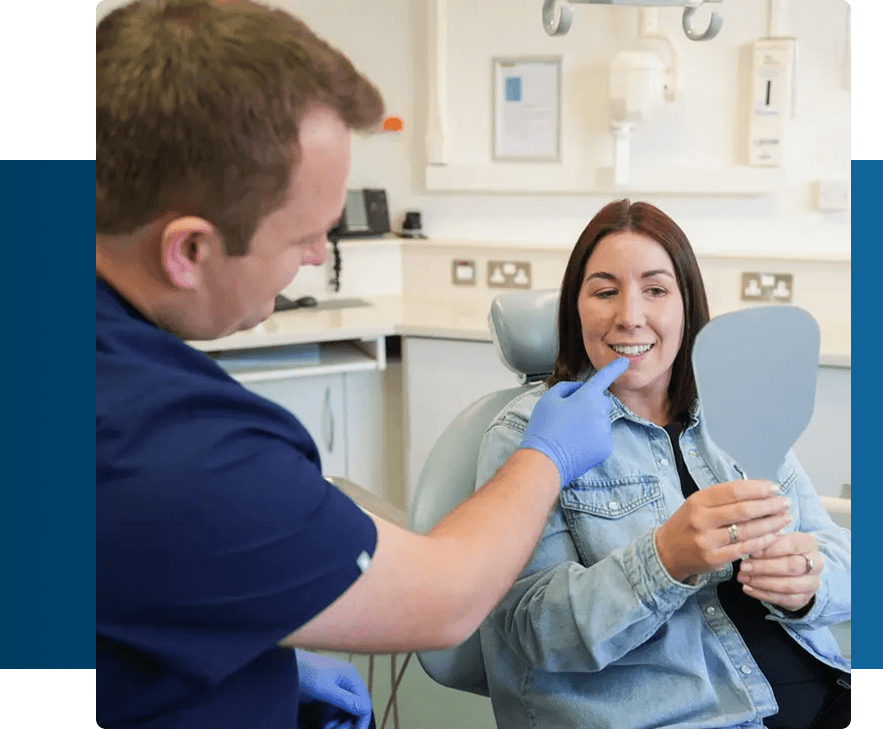
Brushing your teeth twice a day for about two minutes with fluoride toothpaste helps control plaque and protect teeth. Fluoride strengthens enamel and makes it more resistant to decay, so the toothpaste you choose and how you use it both matter.
After brushing, spit out excess toothpaste rather than rinsing immediately. Avoiding a quick rinse leaves more fluoride on your teeth, giving it longer to work between cleans.
Clean between teeth once a day with floss or interdental brushes to remove food, debris and plaque from places a toothbrush misses. A dental professional can recommend the most suitable size or method for your mouth, especially where spaces differ between teeth.
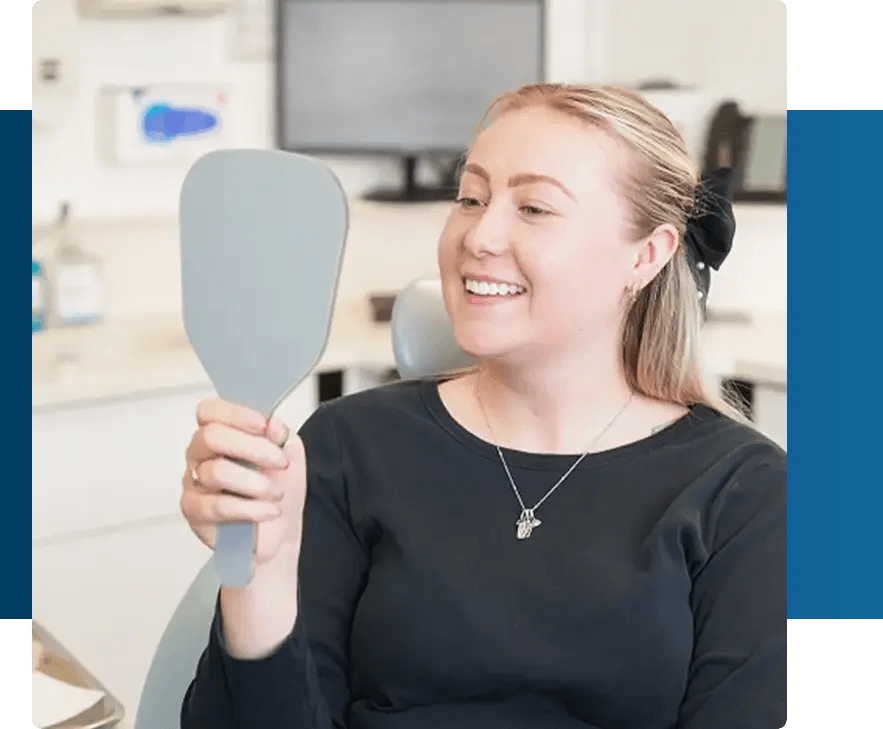
Dental check-up intervals are not the same for everyone. They depend on your individual oral health and risk, rather than a universal six month timetable. Ask how often you should be reviewed based on your current gum condition and any change in risk.
Before booking, consider what you want help with: bleeding when you clean, areas that feel rough, sensitivity to cold, or stain that returns quickly. Not smoking and limiting sugar intake both support oral health, so share any lifestyle changes that might affect your mouth.
If you have crowns, bridges or other restorations, note any places that trap plaque. Ask which interdental approach suits those areas and whether a protective fluoride strategy is advised. Practical, specific questions make the assessment and any professional cleaning more focused.
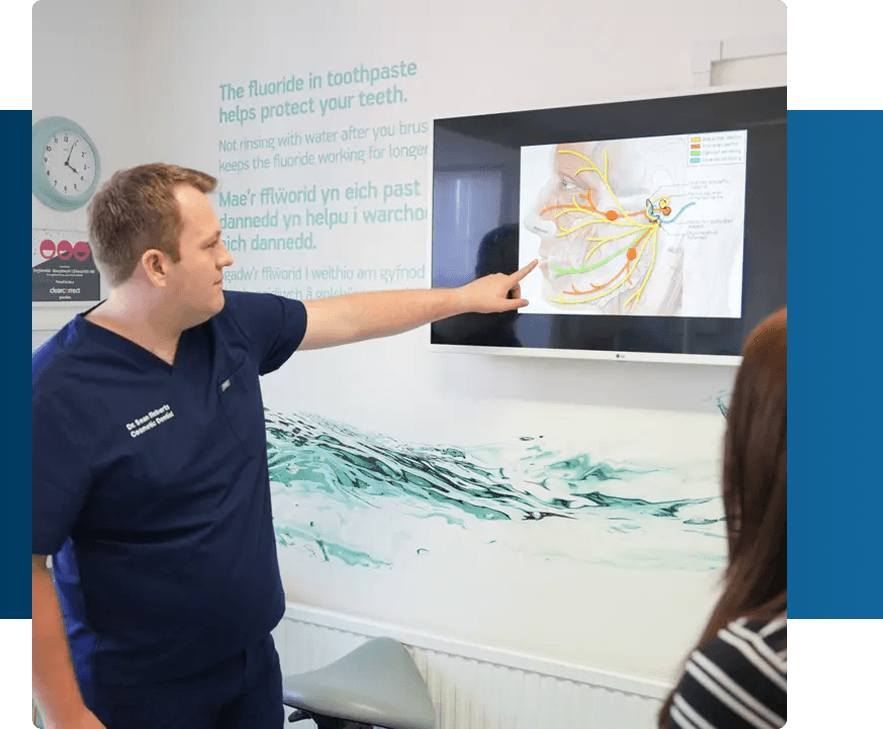
Practical Prevention
Dental Hygiene
BDS Manchester, 2018
You can get more from your visit by asking targeted questions. Examples include: which teeth have plaque or tartar now, whether scaling is needed in particular areas, and if polishing will add meaningful benefit beyond removing deposits.
Ask how to clean the highest risk spots at home, which size interdental brush suits each space, and whether any sensitivity requires a gentler approach. Request clear pointers on what your toothbrush and daily routine can achieve versus what only professional instruments can remove.
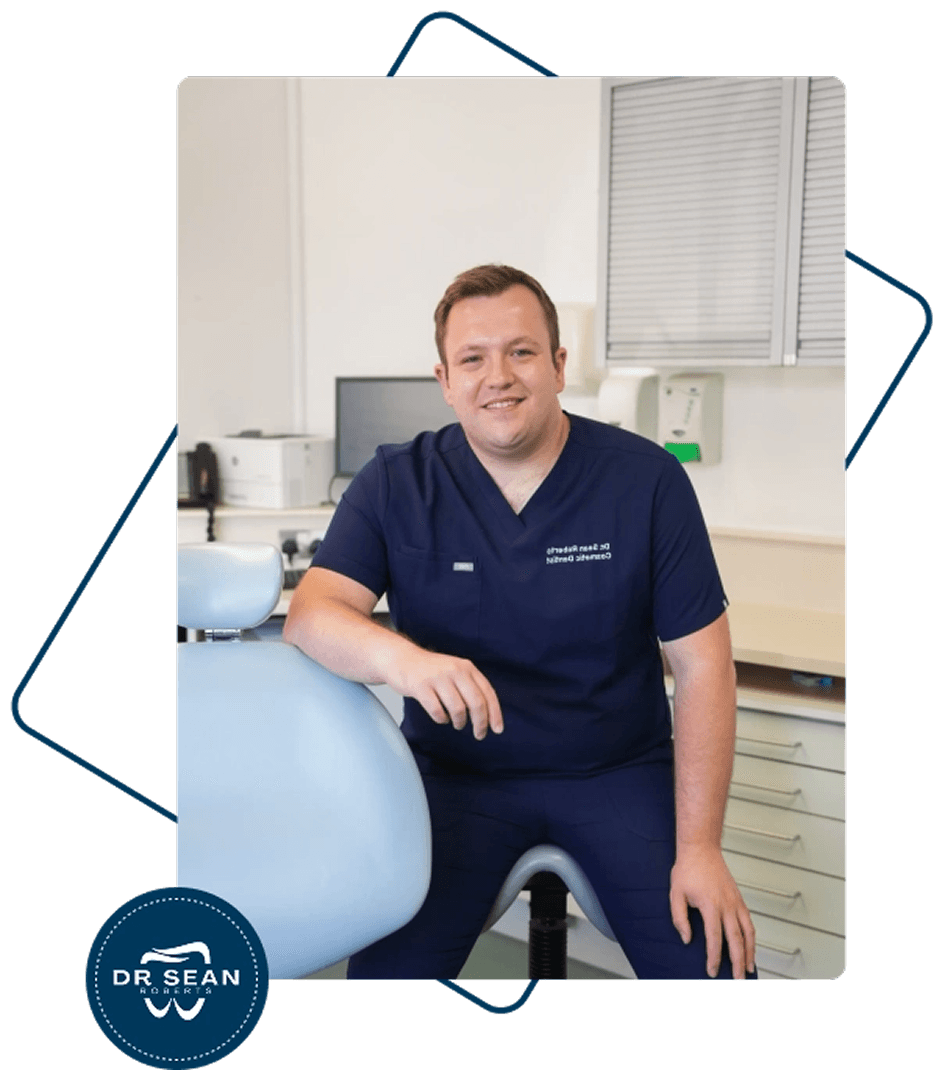
At Friars Dental Clinic in Aberystwyth, Dr Sean Roberts provides general dental care. During your assessment, ask how professional cleaning supports your gum health, where it should focus first, and which home-care steps will make the biggest difference between visits.
How To Reach Us
How To Reach Us
Friars Dental Clinic is at Park Avenue, Aberystwyth, SY23 1PB. Check your route before leaving and allow time to locate the entrance on Park Avenue using your preferred mapping app for directions.
If travelling by bus from Aberporth, confirm the current service and boarding stop, then plan for an onward walk from your drop-off to Park Avenue in Aberystwyth. Allow for timetable changes and any necessary connections.
If rail is part of your route, check whether connections to Aberystwyth work from your starting point, then plan the onward journey from your arrival point to Park Avenue for the clinic.
Booking And Next Steps

Next Steps
If you want to discuss professional dental hygiene and whether a clean is suitable for you, contact Friars Dental Clinic to arrange an assessment. Mention any bleeding, soreness or areas that feel rough so your questions can be addressed clearly.
To enquire or book, call 01970 623 369 or email hello@drsean.dentist. If you feel nervous about dental treatment, please tell the team when booking so your concerns can be discussed.
Bring a short note of what you notice at home, how you currently brush and clean between teeth, and any recent health changes. This helps tailor advice and decide what a professional clean should focus on for your mouth.
FAQ's
Frequently Asked Questions
A professional clean targets tartar and tenacious plaque at and just below the gumline that home tools cannot lift. Removing these deposits reduces places where bacteria collect and supports healthier gums.
Scaling is suitable when tartar is present and needs professional removal. Polishing can smooth surfaces or reduce superficial stain. An assessment decides what is appropriate; not everyone needs a polish, and cleaning is tailored to your gum health.
Daily fluoride brushing and cleaning between teeth control plaque but cannot remove hardened tartar. Professional instruments reach and detach deposits safely, complementing your routine rather than replacing it.
Ask where deposits are, whether scaling is needed, if polishing will be useful, and how often you should be reviewed. Share bleeding, sensitivity, lifestyle changes and current cleaning methods so advice is individual to you.
Plan your route in advance: check driving directions to Park Avenue, Aberystwyth, review current bus options from Aberporth, and consider whether rail connections suit your journey, allowing time for any onward walk or transfer.

Call The Practice
01970 623 369
Email Me
hello@drsean.dentist
Address
Friars Dental Clinic Park Avenue, Aberystwyth, SY23 1PB
All rights reserved © Dr Sean Roberts 2026
website designed and maintained by dentopia marketing
We use cookies to improve your browsing experience. You can accept all, reject all, or manage your preferences. See our Privacy Policy for more details.