By Car
Friars Dental Clinic is at Park Avenue, Aberystwyth, SY23 1PB. Check your preferred route and traffic before you set off, and plan a little time to find the entrance when you arrive in Aberystwyth town centre.

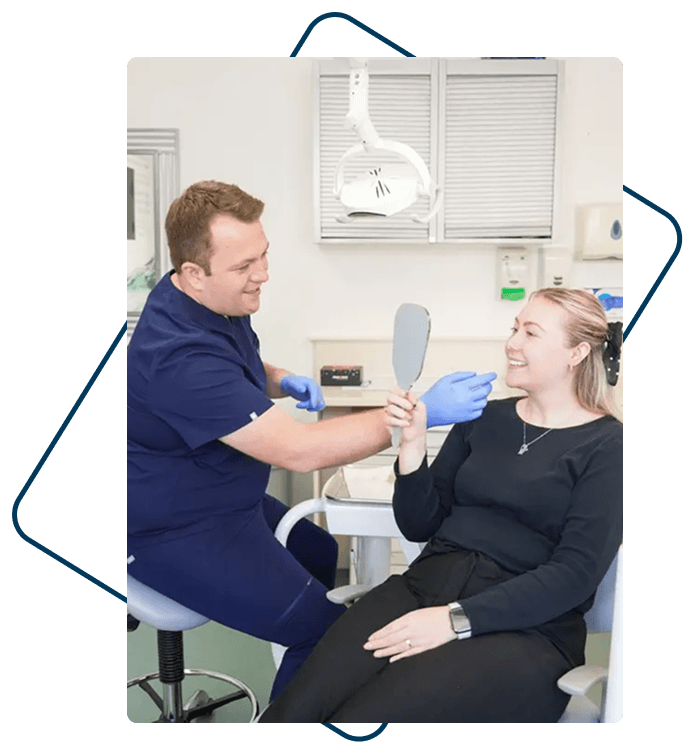
Preventive Dental Care

Dental Hygiene
Travel from Aberaeron to Aberystwyth for dental hygiene that explains what matters: practical gum care, professional cleaning where appropriate, and day-to-day habits that help you protect your mouth. You might be wondering how to best protect your gums, especially if you have noticed build-up around the gumline or occasional bleeding when you brush. A good first step is a clear, individual assessment so you understand what is happening and which changes will make the biggest difference.
Professional cleaning and simple, consistent daily habits work together. A dental check can highlight areas that are harder to reach at home, then guide you on practical tools and techniques that suit your mouth. This way, your everyday brushing and between-teeth cleaning do more of the heavy lifting for gum health.
If you feel nervous about dental treatment, mention this when you book. Sharing your concerns in advance helps the team understand what you are worried about so your questions can be discussed and practical options explained.
Plaque is a thin film of bacteria that forms on teeth each day. If it is not removed effectively, it can harden into tartar, particularly between teeth and along the gumline, where everyday brushing may miss. These deposits can irritate the gums and make home cleaning less effective.
Our hygiene services focus on professional removal of soft plaque and hardened tartar from tooth surfaces that are difficult to keep clean yourself. This works alongside the advice you receive on brushing and cleaning between teeth, helping you reach the areas that matter most for gum health.
By reducing these deposits, you lower the risk of gum disease and tooth decay. A scale and polish refers to professional removal of plaque and tartar; not everyone needs the same approach every time. The exact cleaning recommended depends on your mouth and what is clinically appropriate on the day.
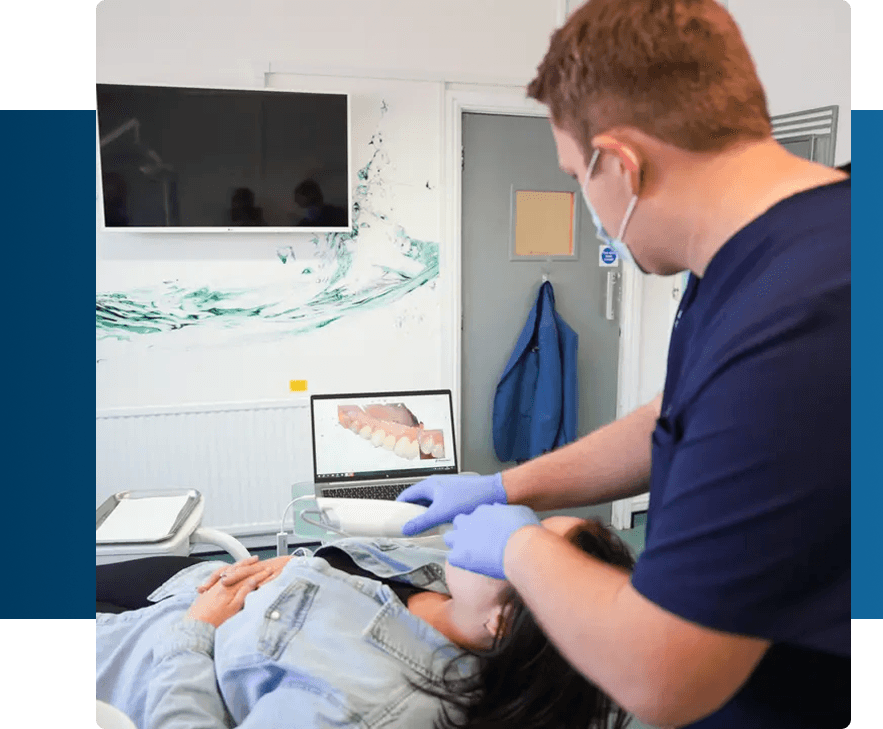
Sore, red, swollen or bleeding gums can be signs of gum disease. If you notice these changes, it is sensible to seek a dental assessment rather than wait to see if things settle on their own. Early advice can make home routines more effective and help prevent problems from worsening.
Bleeding when brushing or when you clean between teeth is a common prompt to ask for guidance. Persistent bad breath can also be linked to plaque at the gum margin. Symptoms alone do not provide a diagnosis, but they are useful signals to have your gum health checked by a dental professional.
Plaque can gather around and under the edges of existing fillings or crowns, making these areas harder to keep clean. A dental professional can recommend suitable ways to clean between the teeth for your situation, helping you reach tight spaces without damaging your gums.
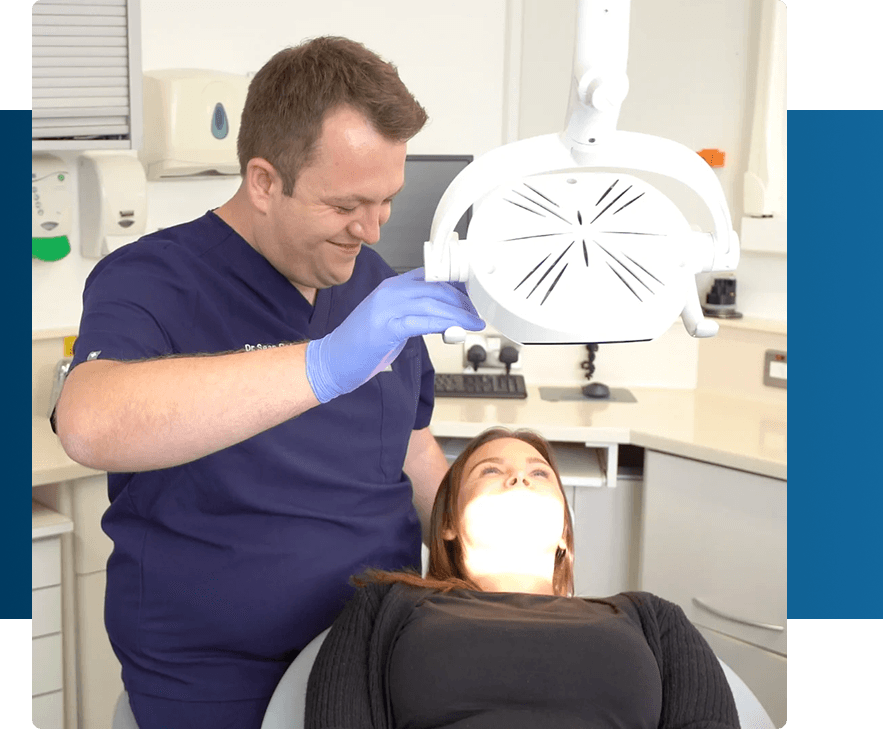
A professional clean involves a trained dental professional carefully removing soft plaque and hardened tartar that an ordinary toothbrush cannot shift, especially near the gumline and between teeth. This complements, rather than replaces, your own daily cleaning at home.
Not every patient receives the same cleaning technique at every visit. When appropriate, cleaning smooths tooth surfaces so they are easier to keep clean, and you may receive guidance tailored to your mouth. The aim is to support your gum health with practical steps you can sustain.
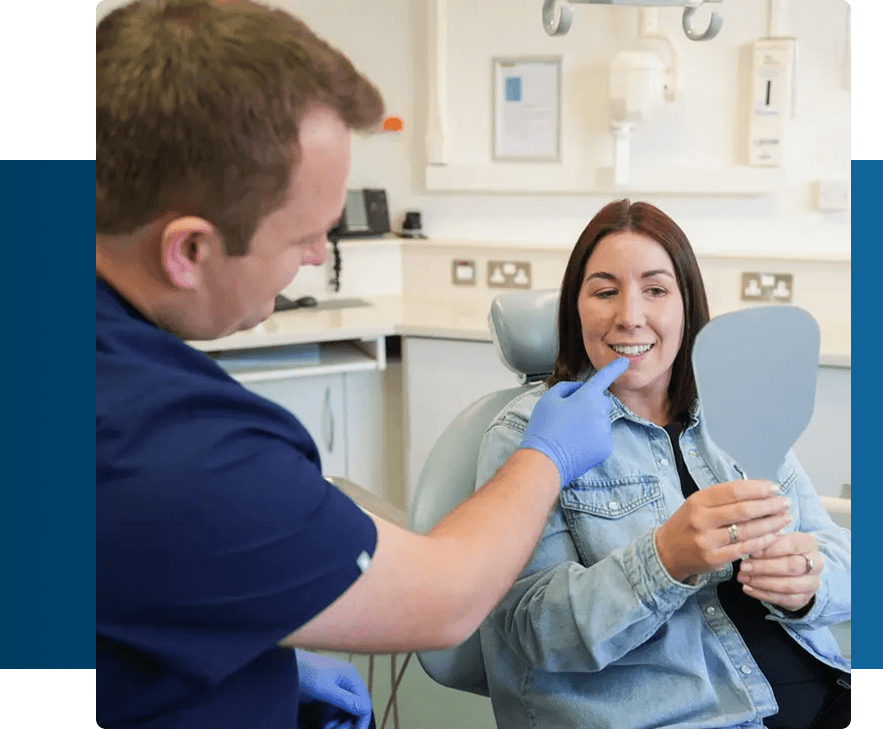
Brushing twice a day for about two minutes with fluoride toothpaste helps to control plaque and protect teeth against decay. Pay special attention where the tooth meets the gum, using a gentle, methodical approach so you cover each surface without scrubbing too hard.
After brushing, spit out the excess toothpaste rather than rinsing straight away. Avoiding a rinse leaves more fluoride on the teeth for longer, which helps strengthen enamel and supports your daily prevention routine.
Clean between your teeth every day. Floss or interdental brushes reach areas a toothbrush cannot. Different mouths need different tools; a dental professional can recommend what suits you best, including brush sizes or when floss may be more practical for tighter contacts.
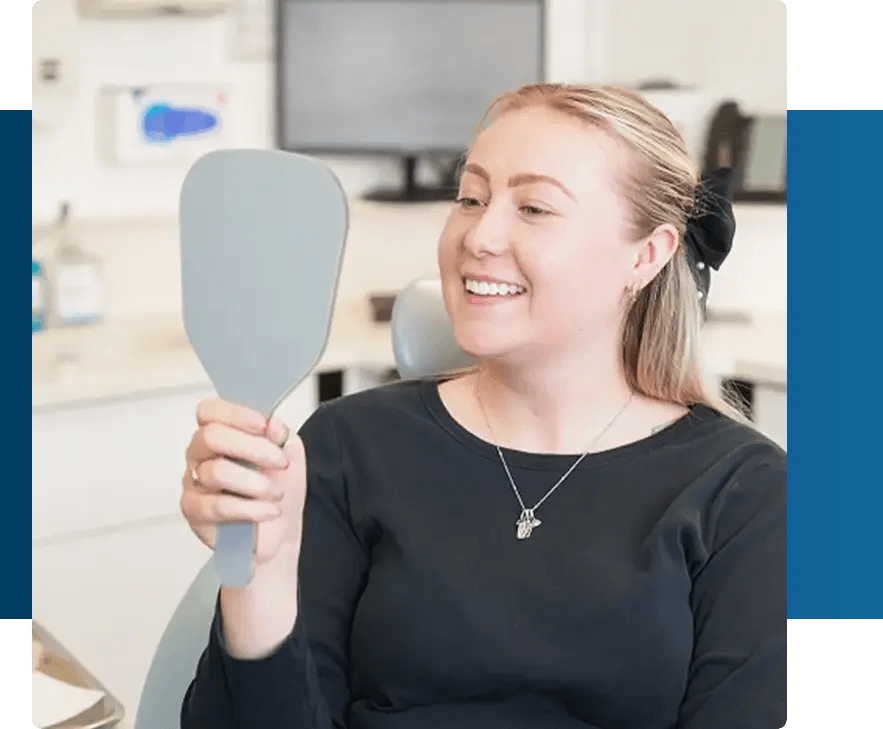
The ideal interval between dental check-ups depends on your individual oral health and level of risk, not a universal schedule. After an assessment, you will receive a recommendation that matches your situation and how well your current daily care is working for you.
Everyday choices also matter. Not smoking supports gum health, and limiting how often you have sugary foods or drinks helps protect teeth. These choices work alongside professional cleaning and good home care to keep your mouth healthier over time.
Consider the questions you would like answered at your visit. Useful examples include which areas you tend to miss, the best between-teeth tools for your mouth, and how to adjust your routine if bleeding occurs initially. Practical answers make it easier to keep changes going at home.
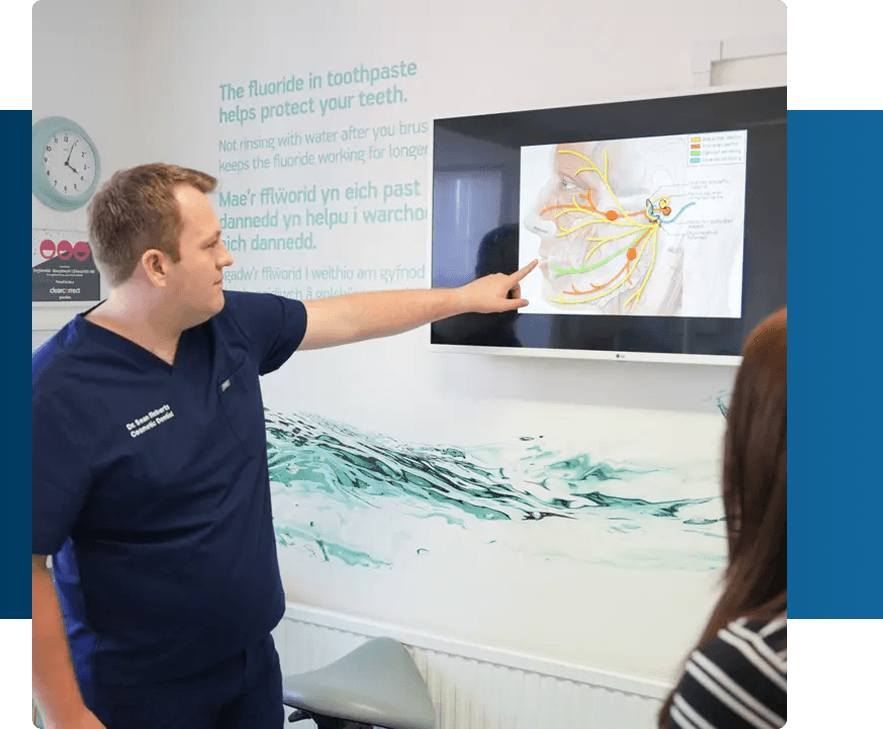
Practical Prevention
Dental Hygiene
BDS Manchester, 2018
Making new habits stick is easier when you build them into routines you already keep. Try brushing after breakfast and again before bed, set a two-minute timer on your phone, and keep interdental brushes where you will use them, such as beside your evening toothbrush or in your bag.
If flossing is awkward, ask about interdental brushes where spaces allow; if contacts are tight, floss or tape may suit better. Start small, for example cleaning between teeth on one side each evening, then expand. If gums bleed at first, consistent, gentle cleaning often improves things; persistent bleeding deserves a dental check.
Choosing changes you can sustain matters more than doing everything at once. Not smoking and managing sugar between meals both support prevention, while professional cleaning makes tooth surfaces easier to maintain. If you want help choosing simple, sustainable steps, Dr Sean Roberts can advise which options fit your mouth and routine.
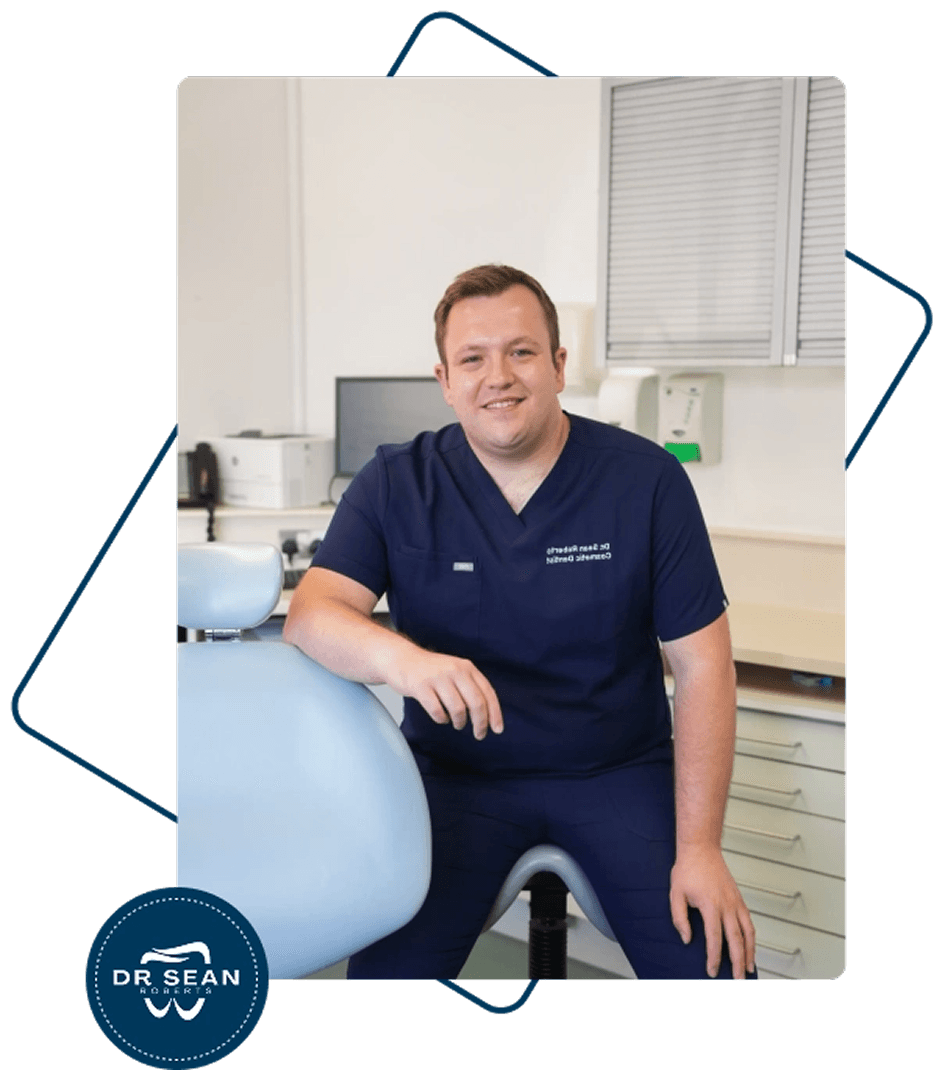
How To Reach Us
How To Reach Us
Friars Dental Clinic is at Park Avenue, Aberystwyth, SY23 1PB. Check your preferred route and traffic before you set off, and plan a little time to find the entrance when you arrive in Aberystwyth town centre.
If you plan to travel by bus, check current services from Aberaeron to Aberystwyth and your nearest boarding stop. Allow time for the final part of your journey from the bus stop to Park Avenue.
If rail is part of your journey, check whether it suits your starting point and how you will connect into Aberystwyth. Plan your final leg from the station area to Park Avenue ahead of time.
Booking And Next Steps

Next Steps
If you would like to enquire about gum health or professional cleaning, contact Friars Dental Clinic on 01970 623 369 or email hello@drsean.dentist. Please mention any specific concerns, such as bleeding gums, sensitive areas or deposits you are finding hard to remove.
When you get in touch, it helps to share what you are experiencing and what you hope to achieve. For example, tell us where you notice bleeding, which between-teeth tools you currently use and any changes you have already tried.
Your next step is a dental assessment focused on prevention. Based on what is appropriate for you, this may include professional removal of plaque and tartar and practical, tailored guidance for your daily routine. The aim is a clearer plan you can follow with confidence at home.
FAQ's
Frequently Asked Questions
Brush twice daily for about two minutes. Angle the bristles towards the gumline and use small, gentle strokes. Spit out excess toothpaste rather than rinsing immediately so more fluoride stays on your teeth and supports enamel.
Interdental brushes work well where there is space between teeth; use the smallest size that fits snugly. If contacts are tight, floss or tape may be better. A dental professional can recommend the most suitable tools and sizes for your mouth.
If you see hard deposits you cannot remove, gums that stay sore or bleed, or staining at the gumline despite careful brushing, a professional assessment is wise. A dental professional can advise whether a clean is appropriate and which areas to prioritise.
Yes. Spitting rather than rinsing leaves a protective layer of fluoride on your teeth for longer, supporting enamel and complementing your brushing routine. Rinsing straight away washes much of the helpful fluoride away.
You can check for a direct bus into Aberystwyth or drive to Park Avenue. If using public transport, review current timetables and allow time for the final walk from your arrival stop to the clinic.

Call The Practice
01970 623 369
Email Me
hello@drsean.dentist
Address
Friars Dental Clinic Park Avenue, Aberystwyth, SY23 1PB
All rights reserved © Dr Sean Roberts 2026
website designed and maintained by dentopia marketing
We use cookies to improve your browsing experience. You can accept all, reject all, or manage your preferences. See our Privacy Policy for more details.